
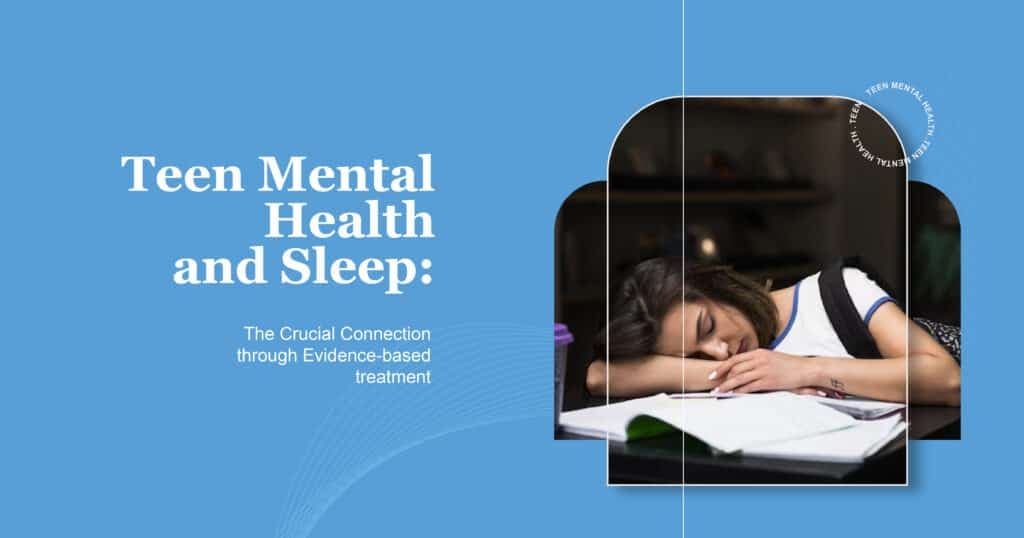
Adolescence is a time of transformative growth and significant changes in both physical and emotional development. Quality sleep plays a crucial role in supporting teen mental health during this critical period. Understanding the link between sleep and mental well-being is essential for promoting resilience and overall thriving among teenagers.
In this article, we will explore the profound impact of quality sleep on teen mental health. By delving into the factors that affect sleep patterns in teenagers and providing strategies to promote healthy sleep habits, we can nurture their emotional well-being and contribute to a positive future.
The Relationship Between Sleep and Teen Mental Health
To comprehend the impact of sleep on teen mental health, it is important to explore the intricate relationship between the two. Here, we delve into the key aspects surrounding this connection:
- 1The importance of quality sleep: Understanding the benefits for mental well-being.
- 2Teenage brain development and sleep: Unraveling the biological factors.
- 3Sleep disorders and mental health: Recognizing the implications and interplay.
- 4Sleep deprivation and emotional resilience: The toll of inadequate rest.
- 5The bidirectional relationship: How mental health affects sleep and vice versa.
Factors Affecting Teen Sleep Patterns
Various factors can disrupt sleep patterns among teenagers, potentially compromising their mental health. Identifying these factors is crucial for developing effective strategies to promote healthy sleep habits. Here, we discuss the common factors affecting teen sleep:
- 1Technology and screen time: The impact of blue light and stimulating content.
- 2Academic pressure and extracurricular activities: Balancing commitments and rest.
- 3Stress and anxiety: The role of sleep in managing emotional well-being.
- 4Irregular sleep schedules: The consequences of inconsistent bedtimes.
- 5Environmental factors and sleep hygiene: Creating an optimal sleep environment.
Promoting Healthy Sleep Habits for Teen Mental Health
Empowering teenagers with the knowledge and tools to maintain healthy sleep habits is essential for supporting their mental well-being. Here, we offer practical strategies to promote quality sleep:
- 1Implementing a consistent sleep schedule: Establishing a routine and prioritizing rest.
- 2Creating a sleep-friendly environment: Adjusting lighting, noise, and temperature.
- 3Limiting screen time before bed: Encouraging a digital detox for better sleep.
- 4Practicing relaxation techniques: Incorporating mindfulness and relaxation exercises.
- 5Seeking professional help as needed: Recognizing when additional support is necessary.
FAQs
How many hours of sleep do teenagers need?
Most teenagers require between 8-10 hours of sleep per night for optimal mental and physical health.
How can parents and guardians support healthy sleep habits in teenagers?
Setting consistent bedtime routines, promoting a calm sleep environment, and encouraging open communication about the importance of sleep can help support healthy sleep habits.
Conclusion: Prioritizing Teen Mental Health through Quality Sleep
Quality sleep is a vital pillar of teen mental health and overall well-being. By understanding the connection between sleep and mental resilience, we can empower teenagers to prioritize their rest. By implementing strategies that promote healthy sleep habits, we contribute to their emotional well-being and enable them to navigate the challenges of adolescence with greater resilience.
Let us come together to prioritize the sleep needs of teenagers, supporting their mental health, and fostering a brighter future filled with emotional well-being and success.
Clinically reviewed by Alejandro Alva, M.D., Medical Director.