Safe & secure facility
A house built for the work
A safe, structured home designed for adolescent recovery, with 24/7 staff, residential care, and rooms that feel like a house, not a lobby.
Ages 12-17 · CaliforniaTeen residential treatment · Ages 12-17 · Southern California
Weekly therapy is not holding. Your teen needs a house, a clinical day, and staff who are awake at 2 a.m., which is why we run teen residential treatment in California from Canyon Lake for adolescents ages 12-17.

About us
We recommend this level of care when the plan at home is failing. Adolescent residential treatment here is live-in mental health work with 24/7 supervision. Families call for residential treatment for teen anxiety when panic has already taken school, or for residential treatment for teen depression when the door has won the day.
Anthony Fletcher started this family-owned treatment center after his own adolescence, and he still runs the residential programs from Juanita Drive. Stacia Ponce-Rodriguez's care team decides who we admit, how staff are trained, and when a stay is the wrong next step. Residential care on this street is the product, not a hospital contract. Family therapy for teens, instead of a visitor hour, is how the house stays in the work. Joint Commission accreditation is the floor we already meet, not a paragraph we hide behind.
Client stories
4.8
Excellent · 95 Google reviews
TheMirroredGirlParent · Google
“Saying that Hillside Horizon was an amazing experience was an understatement. I’d rate them a million stars if I could.”
Michelle WilliamsParent · Google
“Words cannot describe my heartfelt appreciation to all Hillside staff, especially Team Richard.”
Tiffany BolyardParent · Google
“A parent’s nightmare is watching their teen struggle and feeling like there was nowhere to go for help. Hillside Horizon came through.”
What we treat
We treat mental health conditions that have stopped responding to an hour a week: residential treatment for teen anxiety, residential treatment for teen depression, and residential treatment for teen trauma, plus ADHD, a mood disorder, and self-harm when substance use rides along. Teen residential treatment is the next step when those health challenges will not wait.
Panic, social fear, and the constant scan for danger. We replace the loop with skills that hold at school, at home, and in the body.
What treatment looks like
In sessions
Individual CBT, group skills, and short, repeated exposures. We practice the hard minute until it is no longer a cliff.
With family
Parents learn what to say instead of “you’ll be fine,” and how to stop rearranging the house around the fear.


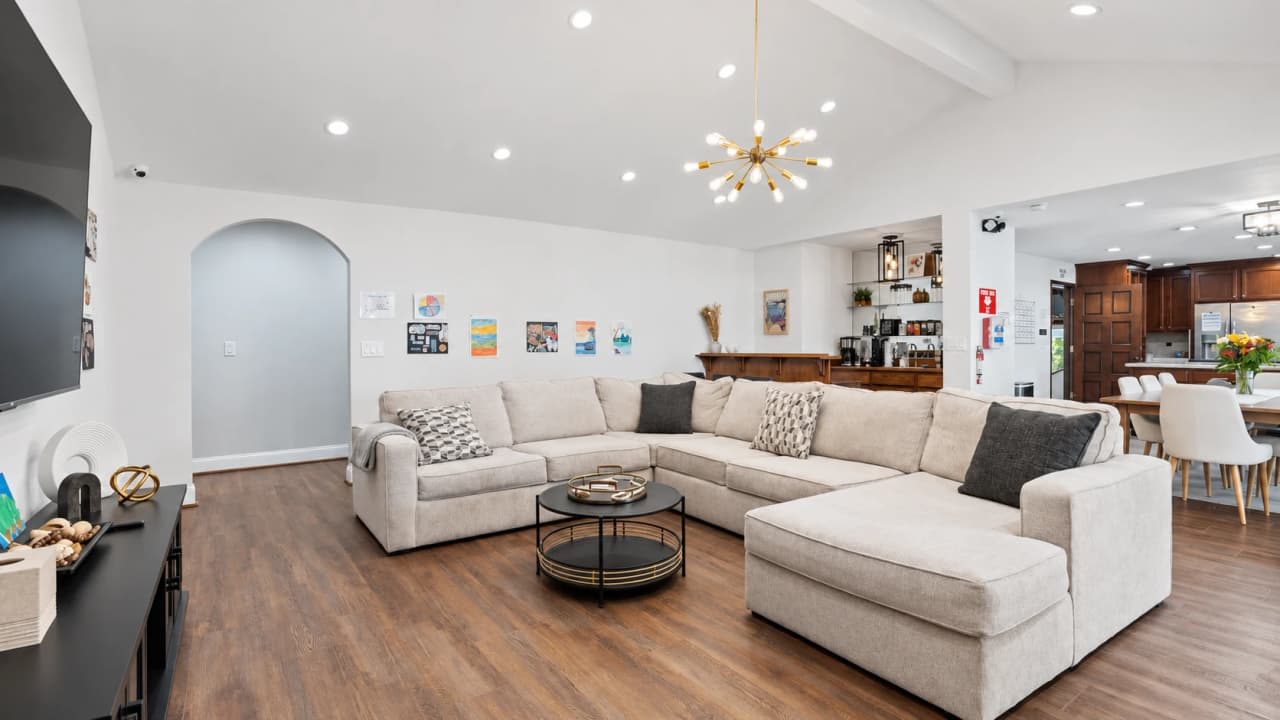
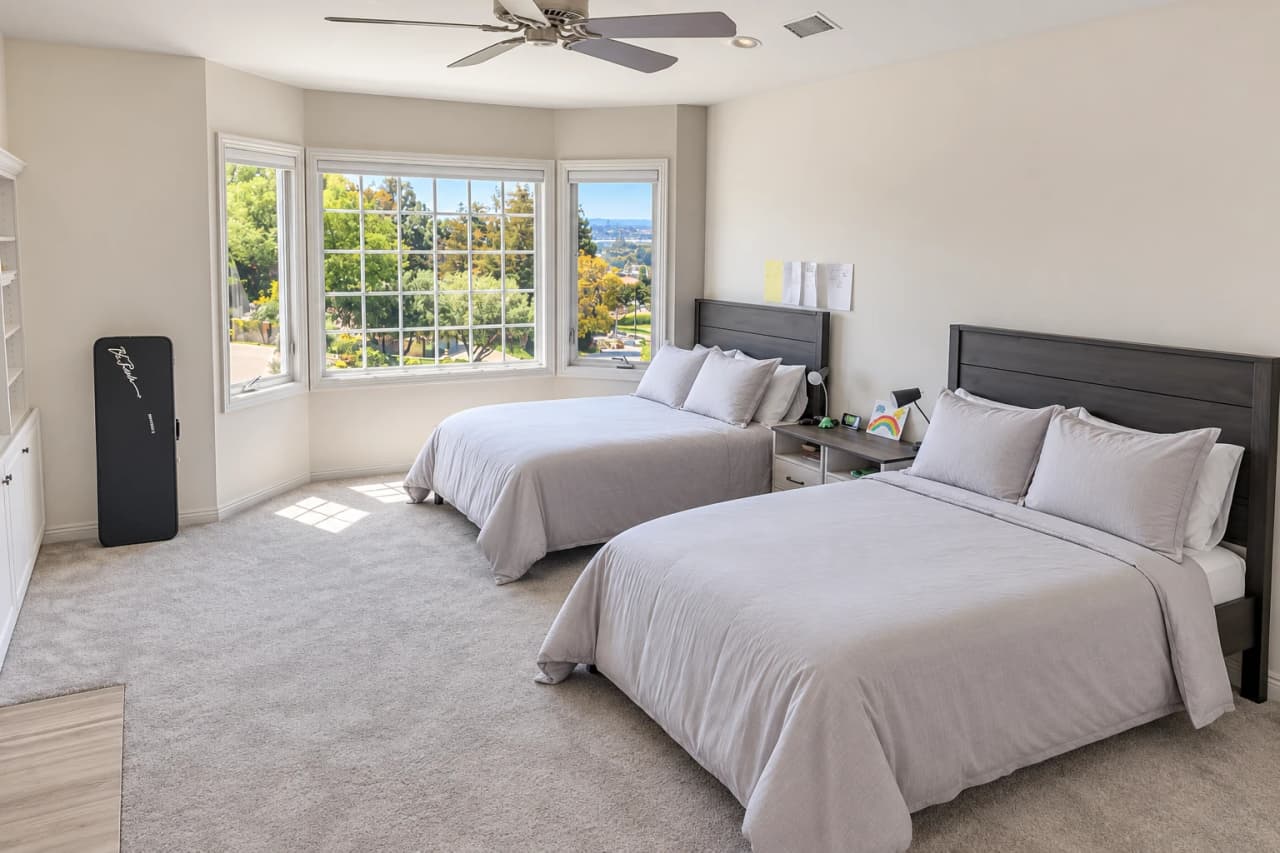
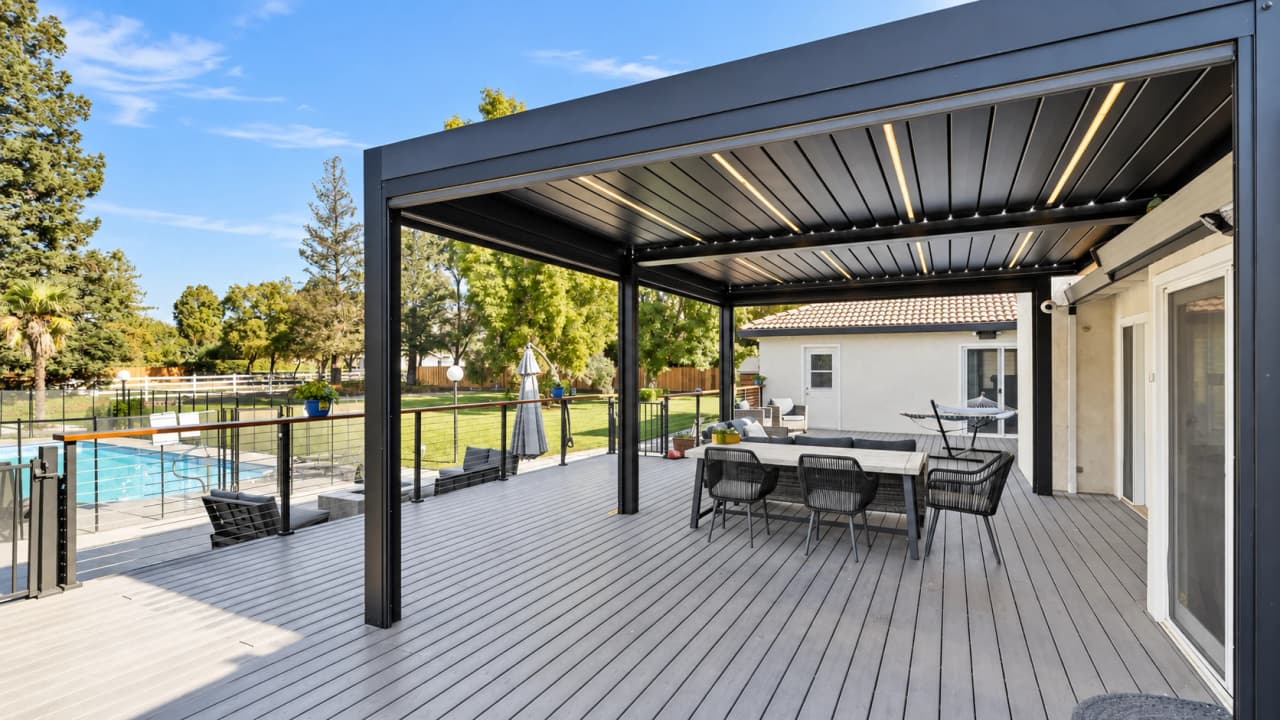
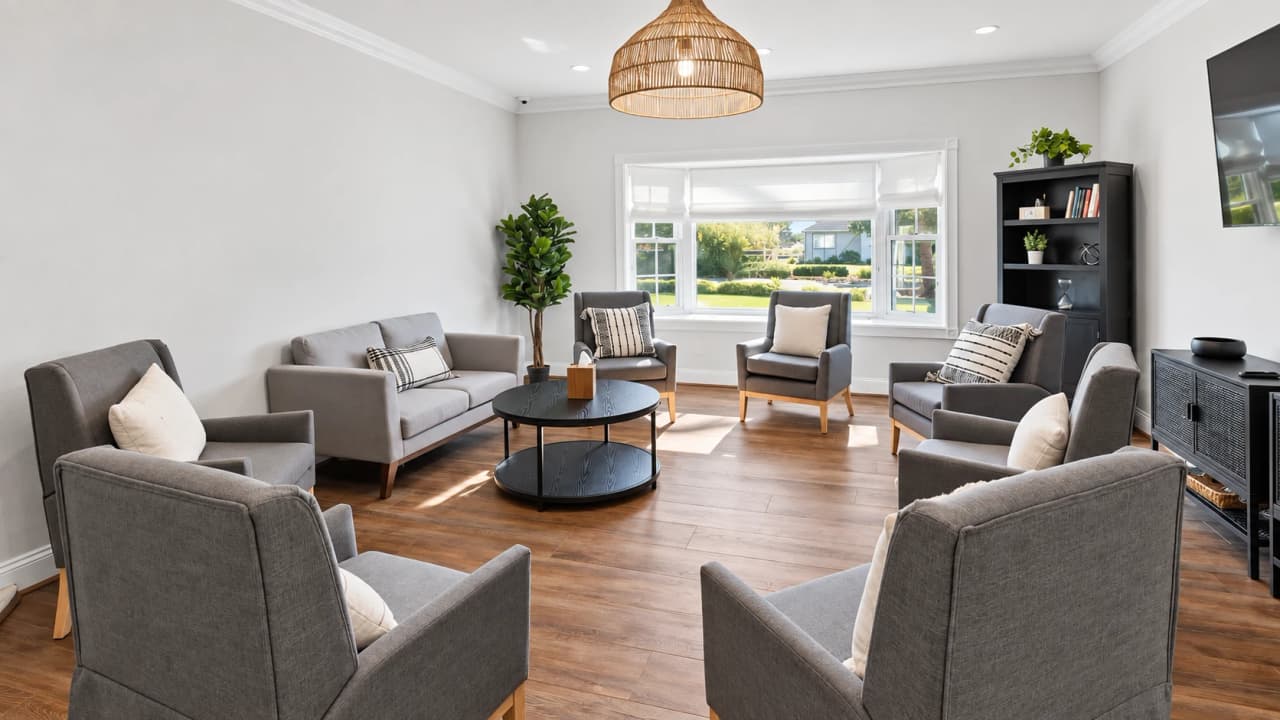
Safe & secure facility
A safe, structured home designed for adolescent recovery, with 24/7 staff, residential care, and rooms that feel like a house, not a lobby.
02 · The kitchen
Family-style cooking and shared dinners. Structure lives in ordinary hours: breakfast, homework, evening, lights out.
03 · The rooms
Simple bedrooms with light, a desk, and a door that closes. Rest is part of treatment, not an afterthought.
04 · Outside
A terrace and hillside yard for movement, conversation, and a horizon you can actually walk toward.
05 · The work
Private sitting rooms for individual, group, and family sessions, close to the life of the house, never on display.
What to expect
Most stays land between 60 and 90 days, and we discharge on progress. Each chapter of residential treatment updates the treatment plan as coping skills hold and the family can take the work home.
01
Weeks 1-2
02
Weeks 3-6
03
Weeks 7-10
04
Weeks 11-14+
Modalities
The clinical week mixes dialectical behavior therapy, cognitive behavioral work, family and group therapy, and therapeutic activities, with medication management when the picture needs it. Adolescent residential treatment programs stay specific, not a stack of every method we know.
Clinical work
Structured, skills-focused sessions that help teens identify and reframe the thought patterns driving anxiety, depression, and self-destructive behavior.
A full skills curriculum of mindfulness, distress tolerance, emotional regulation, and interpersonal effectiveness, completed during the stay.
Every plan starts with a trauma-informed lens. EMDR is available as a primary modality when trauma is at the center of the story.
Breathwork, mindful movement, and somatic work so the nervous system can come down. Trauma lives in the body, not in language alone.
Life of the house
We treat the home, not just the teen: communication, attachment, and the patterns that keep repeating.
Art, equine, surf, and group challenges that build trust and expression when talk runs out.
Daily peer groups so teens learn they are not alone, practice vulnerability, and build real social skill.
Accredited on-site instruction aligned to the home school. A semester of healing is not a year lost.
Safety & comfort
Honesty, not reassurance: what a residential treatment stay feels like for your teen, and what parents carry on this side of the door.
Typical stay
30-90
days · by progress, not a calendar
Most teens finish in one to three months. Some stay up to six. We do not pick a discharge date before the work is ready.
Week two
Calls with your teen begin in week two, as clinically appropriate. Weekly written updates. A care coordinator you can reach anytime.
Not optional
Bi-weekly family therapy, parent coaching, and a workshop before discharge. We do not ask you to hand your teen over and wait.
What healing actually looks like
Highs and lows, especially in the first 30 days. Resistance, breakthroughs, and regressions coexist. We stay with you through every phase.
The first month is the hardest
Daily experience
Daily life in residential care is meant to feel ordinary: school in the morning, therapy sessions and group therapy after lunch, and family involvement when the evening is quiet enough to tell the truth.

07:00-12:00

11:00-16:00

18:00-21:30
Our process
Aaron Earnest and the admissions team will tell you if this treatment center is the right fit. We verify most major insurance and accept insurance after a benefits check, and if we cannot hold your teen safely, we say so.
01
A real person answers. We listen, answer hard questions, and help you decide if residential care is the right next step.
02
If you are using insurance, we collect plan details and verify coverage before anyone is asked to commit.
03
Our clinical team reviews history, safety, and fit. We are honest when we are not the right program.
04
Once approved, we set a date, send a welcome packet, and walk you through packing, travel, and the first 48 hours.
Coverage
Verification happens before you commit. Call and we will look at your benefits with you.
Meet the team
Anthony Fletcher, Stacia Ponce-Rodriguez, and Aaron Earnest stay close to the work. A family-owned treatment program stays small enough that the care team is present, not a call center.

CEO & Founder

Clinical Director

Director of Outreach

Admissions Manager
FAQ
Practical things parents ask before the first drive. If yours is not here, call. A person will pick up.
It is a live-in level of care with 24/7 staff, daily therapy sessions, and a structured daily life. At Hillside Horizon that happens in gender-specific houses in Canyon Lake for ages 12-17, with on-site school, not a locked ward.
When weekly therapy or outpatient care has not produced a lasting change, or when safety at home is the question. Crisis intervention and intensive care belong in a house with trained staff, not in a bedroom at 2 a.m.
Most stays land between 60 and 90 days, though some finish closer to 30 and a few need longer. We discharge on progress and do not pick a date before the work is ready.
Families use in-network benefits, out-of-network reimbursement, or self-pay. We verify most major insurance before anyone is asked to commit, and coverage varies by plan.
Comfortable clothing, personal hygiene products, prescribed medications in their original packaging, and essential documents like ID and insurance information. A small amount of spending money and a journal are welcome, and a detailed packing list is provided upon admission.
For the safety of everyone in the house, leave behind drugs, alcohol, weapons, and anything that would disrupt treatment. Electronics, including laptops and certain personal devices, may be restricted, and a complete list of prohibited items is sent before admission.
Yes, parents or legal guardians are encouraged to be present at intake to share history and support the first hours. After that, we talk through the best way for you to stay involved, because family work is part of the plan.
Yes, we schedule tours so families can feel the house and the approach. Contact admissions to set a time. For privacy, some areas may be limited during a visit.
Connection with home matters. The exact schedule follows the teen's plan, and we set consistent call times so you stay close to their progress without flooding the day.
Yes, family sessions can happen in person or over secure video so distance and work do not keep you out of the work. Family involvement is required here, not an add-on.
Yes, beyond weekly therapy we schedule family participation and visits so the house can practice being a family again, in a place that is safe enough to tell the truth.
Contact
Call if you need treatment for teens that can last through the night. We run treatment for adolescents in Canyon Lake, with behavioral health work, on-site school, and family involvement in the same week.


Don’t wait. Call (855) 746-8378 or send the form. A confidential conversation is enough to begin.
Contact us