
Mental Health: How to Talk to Your Teen About It

Talking to Your Teen About Mental Health
Table of Contents

Talking to Your Teen About Mental Health

Studies have shown that talking to teens about mental health can help them to:

  • Feel more comfortable talking about their mental health.
  • Be more likely to seek help if they need it.
  • Have a better understanding of mental health.
  • Feel less alone.

Talking to your teen about mental health can be a daunting task. You may be worried about how they will react, or you may not know where to start. However, it is vital to have these conversations, as they can help your teen to get the support they need.

This article will provide you with tips on how to start a conversation with your teen about mental health. It will also discuss how to listen to your teen and respond to their concerns. The article will include a list of resources for parents seeking more information on how to talk to their teens about mental health.

Tips for Talking to Your Teen About Mental Health

  • Choose the right time and place. Don’t try to have this conversation when you’re both stressed or tired. Choose a time when you can both relax and focus on each other.
  • Start by asking open-ended questions. This will help you to get a better understanding of your teen’s thoughts and feelings. For example, you could ask them, “How are you feeling lately?” or “What’s been going on at school?”
  • Be patient and understanding. It may take some time for your teen to open up to you. Be patient and let them know that you’re there to listen.
  • Avoid making assumptions. Don’t assume that you know what your teen is going through. Listen to what they have to say and let them know that you’re there to support them.
  • Encourage your teen to seek professional help. If you’re concerned about your teen’s mental health, encourage them to talk to a therapist or counselor.

How to Listen to Your Teen

  • Pay attention to what they’re saying. Don’t just listen to the words they’re saying, but also pay attention to their body language and tone of voice.
  • Don’t interrupt. Let your teen finish what they have to say before you respond.
  • Acknowledge their feelings. Let your teen know that you understand how they’re feeling. For example, you could say, “I can see you’re feeling stressed out.”
  • Don’t judge. It’s important to be non-judgmental when your teen is talking to you about their mental health.

How to Respond to Your Teen’s Concerns

  • Validate their feelings. Let your teen know that their feelings are valid. For example, you could say, “It’s okay to feel that way.”
  • Offer support. Let your teen know that you’re there for them and that you will support them through whatever they’re going through.
  • Reassure them that they’re not alone. Let your teen know that many people struggle with mental health issues and that they’re not alone.
  • Encourage them to seek professional help. If you’re concerned about your teen’s mental health, encourage them to talk to a therapist or counselor.

Resources for Parents

Talk To Your Teen!

Talking to your teen about mental health can be a difficult conversation, but it is an important one. By following the tips in this article, you can start a conversation with your teen and help them to get the support they need.

Remember, you are not alone. There are many resources available to help you and your teen. Please reach out to us today to learn more about our programs and how we can assist you in your journey toward mental well-being.


More To Explore
Help Is Here

Don’t wait for tomorrow to start the journey of recovery. Make that call today and take back control of your life!

Katherina M Hillside

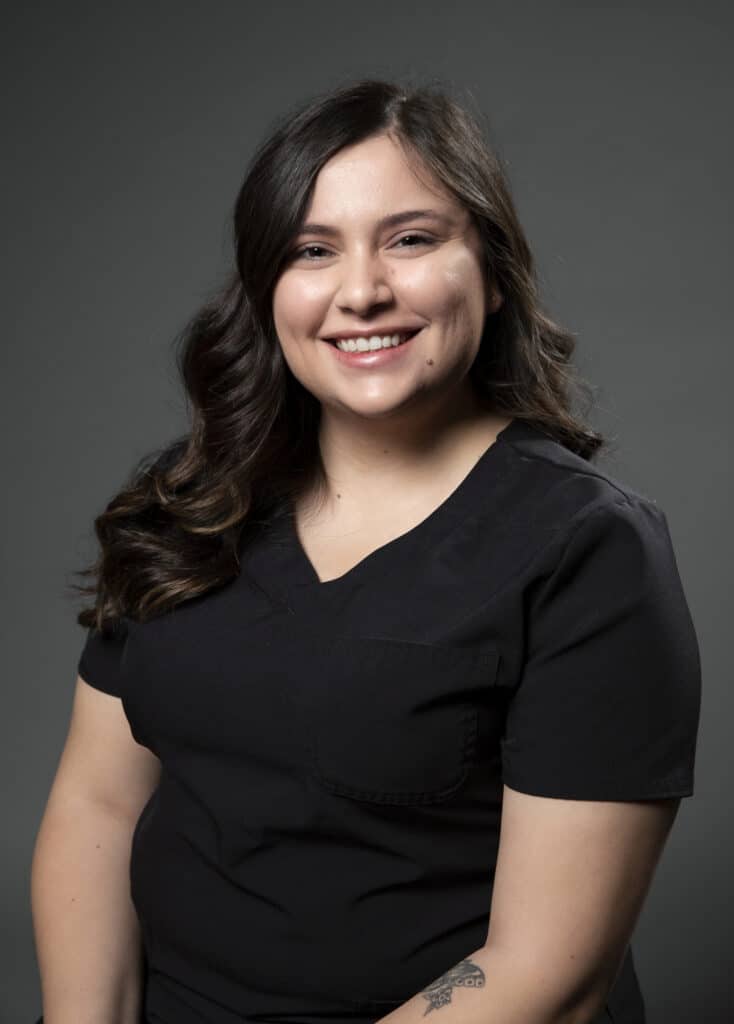
Katherine Mendoza

Licensed Vocational Nurse LVN

I began my professional journey in the United States Navy as a Nuclear Engineer where I developed a strong sense of discipline, leadership, and service. Driven by a desire to continue making a meaningful impact, I transitioned into nursing, focusing on providing compassionate care to those in need. Over time, my passion for supporting others led to specialize in mental health, recognizing the vital role it plays in overall well-being. At Hillside Horizon for Teens, I dedicate myself to helping adolescents navigate life’s challenges and build healthier futures. My commitment to fostering growth, resilience, and healing continues to be the cornerstone of my career.

Aaron 1 Hillside Horizon

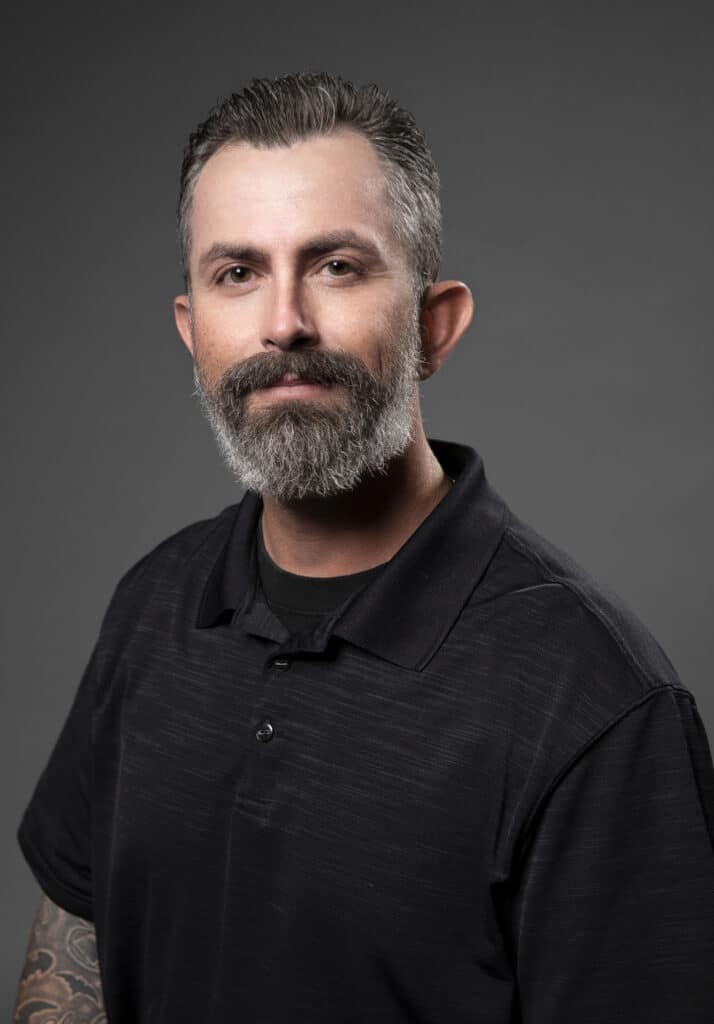
Aaron Earnest

Admissions Manager

Aaron has been working in the mental health field for over 13 years and has a passion for helping people. Previously he worked with adults for a long time and then realized he may have a greater impact with teens and made the switch a little while ago. He understands the importance of being families first voice they hear at Hillsidie Horizon and takes that role very seriously. Driven by his own issues as a kid, Aaron understands the importance of getting help and how tough the decision can be for families.

Justin C Hillside Horizon

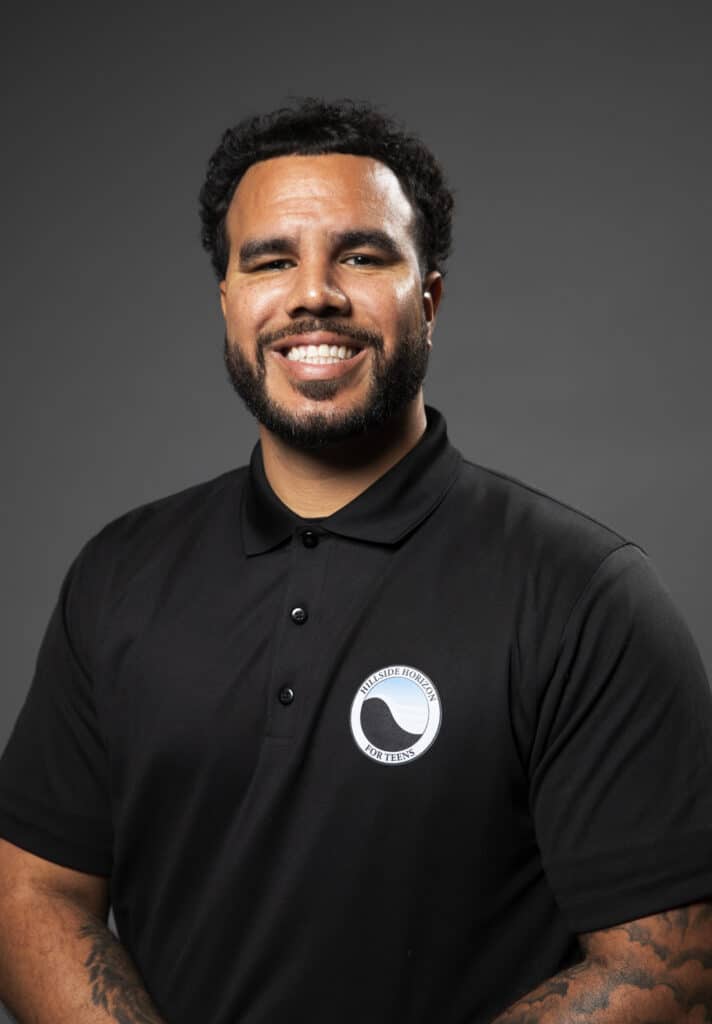
Justin Collins

Program Director

Justin is a seasoned mental health professional with over 15 years of experience empowering adolescents through innovative behavioral health and sports programs. He began his career in Los Angeles as a CIF coach for underprivileged youth, helping lead his team to a CIF football runner-up title. In Murrieta, he took on leadership roles at Oak Grove/Jack Weaver, where he oversaw STRTP and Advanced Autism School Day Programs, managed 20+ staff, and trained teams as a certified CPI instructor. He later held key roles in the Palm Springs Unified School District. Now serving as Program Director at Hillside Horizon, Justin is known for his visionary leadership, commitment to quality care, and passion for transforming young lives.

Victor Hillside Horizon

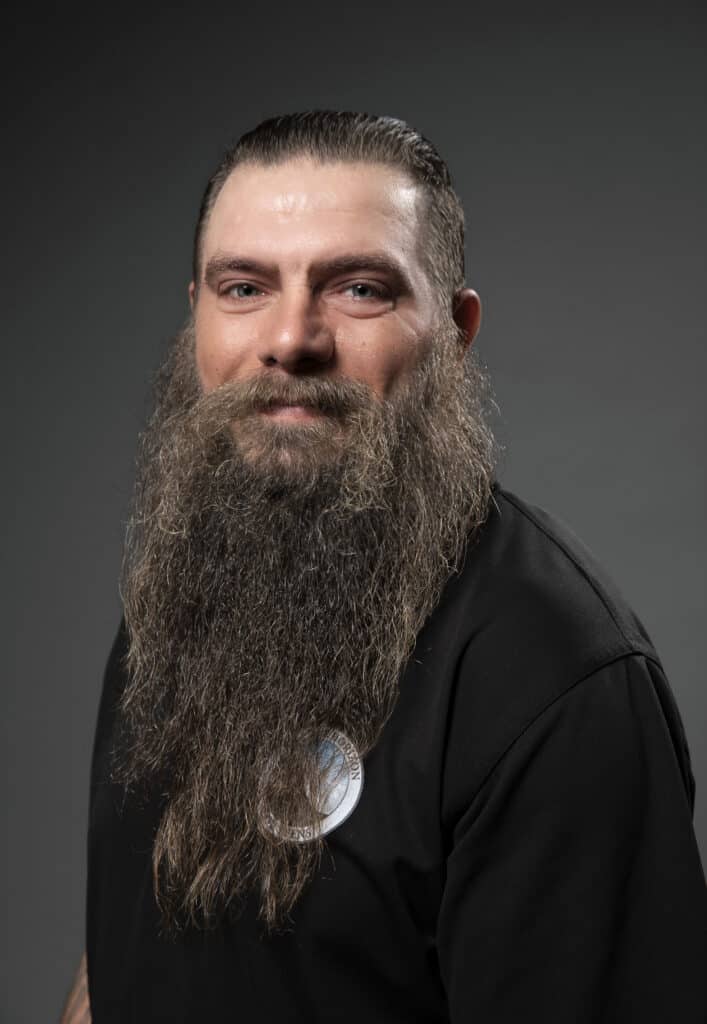
Victor Hamaker

Program Director

With a strong commitment to supporting individuals with special needs, and at risk youth, I have built a career dedicated to advocacy and behavioral health. My journey began as a Direct Support Professional (DSP) in group homes and for the local school district for both adults and adolescents with special needs, behavioral challenges, and at-risk youth. I then transitioned into behavioral health, serving as a Behavioral Health Technician (BHT) at Hillside Horizon, where I worked closely with at-risk youth and individuals with complex behavioral needs. I later advanced to Lead BHT and then Operations Manager. Currently, as the Program Director at Hillside Horizon, I oversee program development, staff training, and client care, ensuring high-quality services for individuals with behavioral and developmental challenges. Additionally, I support the local school district as a special needs advocate, working to enhance resources and support for students and families.

Jessica F Hillside Horizon Headshots

Jessica Flores

Director of Outreach

Driven from my own personal experience, I have found purpose in what I do in the Behavioral Health field. I started working in the industry over ten years ago as a driver and a tech. I have worked multiple roles and understand the complexities of all levels of care and positions. I continued my education and completed my Alcohol and Drug Counseling Certification from Saddleback College and received my bachelor’s degree in Community Advocacy and Social Policy from Arizona State University last May. I am currently the Director of Outreach at Hillside Horizon for Teens. From answering questions about the program to connecting families with resources, I enjoy being apart of our clients journey to healing!

Dr. Arlene Waldron

Clinical Director PsyD, LMFT

Dr. Arlene Waldron is a licensed Marriage and Family Therapist (LMFT) and our Clinical Director with over fifteen years of experience serving adolescents, children, and families. She holds a Doctor of Psychology (PsyD) and has led residential, school-based, and community mental health programs with a strong focus on quality care and program development. Dr. Waldron works closely with multidisciplinary teams and community partners to deliver trauma-informed, effective services. A fluent Spanish speaker and motivational leader, Dr. Waldron is deeply committed to the growth and well-being of individuals and families. She believes strong programs create meaningful change and leads Hillside Horizon’s Clinical program with a focus on excellence, accountability, and compassionate care.