
01
In The Session
A prompt, a material, and a clinician who knows when to talk and when to let your teen work quietly.
Art therapy is a clinician-led session with paint, paper, or clay, offered to teens who find it hard to begin a conversation. Drawing something can sometimes feel easier than saying it.
Clinically reviewed by Alejandro Alva, M.D., Medical Director.


What this is
This is a clinician-led hour with paint, paper, clay, or collage. It is not a craft class or a portfolio, and we do not teach technique or grade anything your teen makes. It often comes first when shame, trauma, or a certain thought is hard to put into words in talk therapy. Individual therapy still leads the treatment plan.
Why this is in the week
Shame, or a thought your teen isn't ready to say out loud, can go onto paper first, before anyone asks them to explain it.
Teens with ADHD or a lot of restless energy often think more clearly when their hands are busy, so working with clay can help the hour begin.
Making something can give your teen a chance to try a different way of seeing themselves before they have to explain it at the dinner table.
Loss, or a hard year your teen can't describe yet, can show up as an image long before it arrives as a story.
That is fine here. Making a mark is the work, and artistic skill isn't the point of the session.
You hear the themes from the clinician rather than seeing the sketchbook itself, unless something raises a safety concern.
How it works
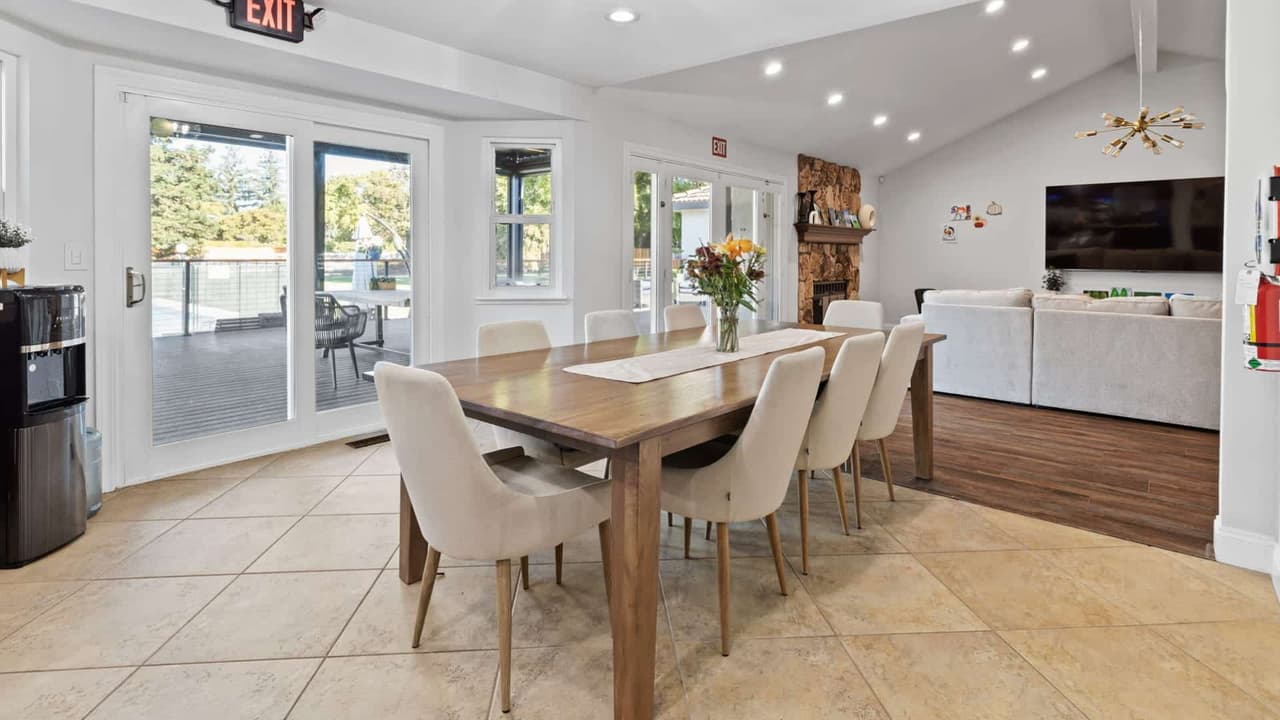
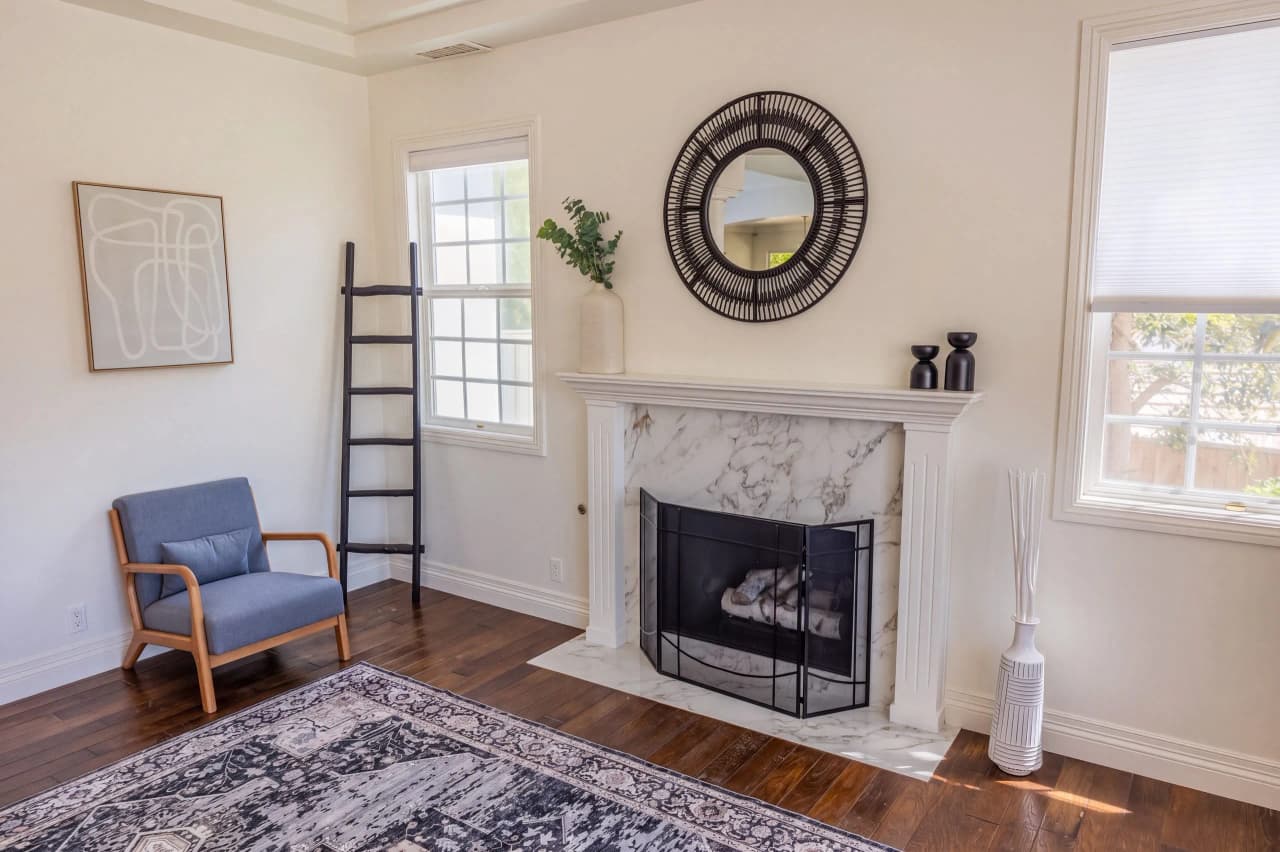
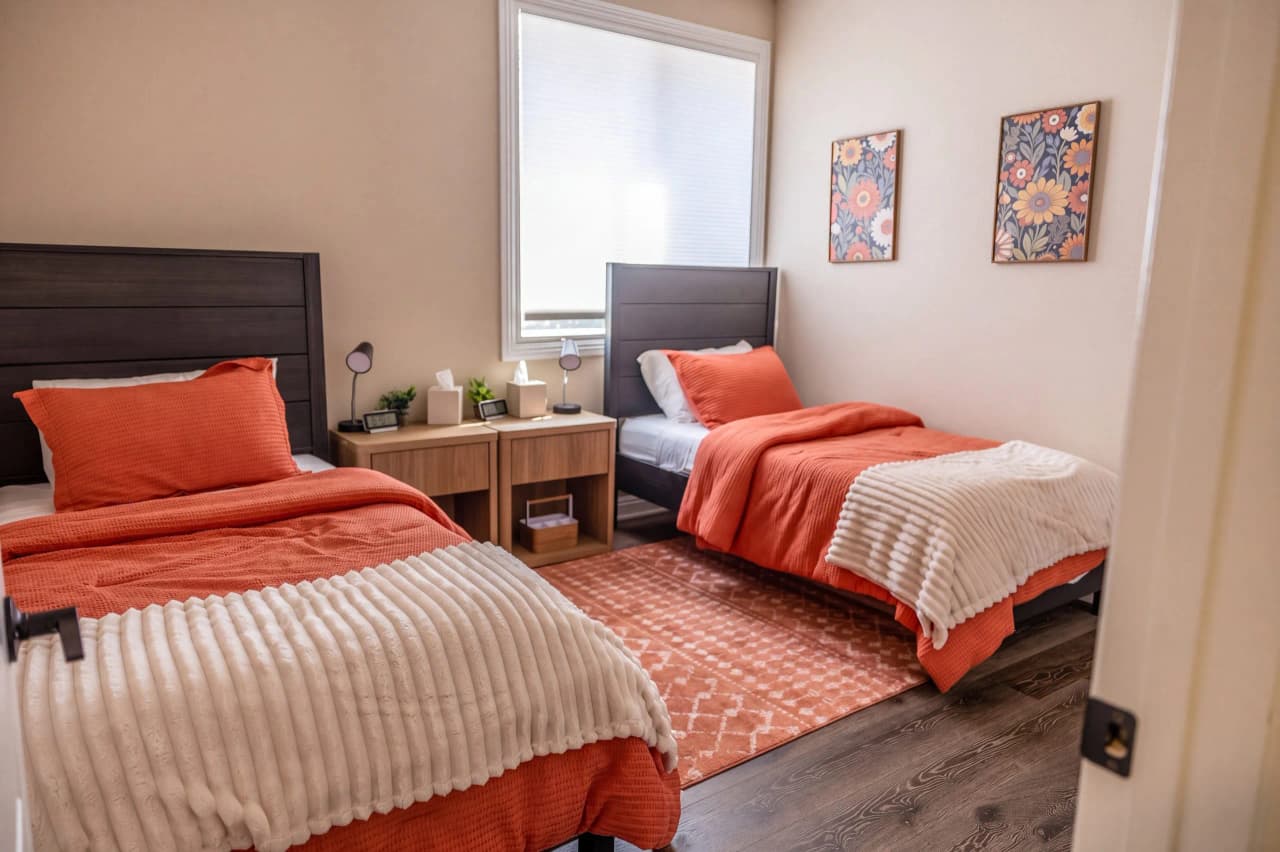
The art session, the individual therapy room, and the house itself, with none of it turned into a performance.
01
A prompt, a material, and a clinician who knows when to talk and when to let your teen work quietly.
02
What comes up in the artwork often belongs with the primary therapist that same week, and the work itself stays your teen's.
03
A personal sketchbook is allowed in the house. Displaying a piece for everyone in the common room is not part of the method.
Our approach
Making it first, then talking with the primary therapist, and skipping the session when the materials feel like too much for your teen.
Your teen can show what is hard to say, and we do not ask for an explanation before they are ready to give one.
Shame can hide inside a drawing, so the hour stays clinical. The materials are simply the way in.
The primary therapist knows the themes that come up. We do not run a second, separate therapy in the art room.
Some teens can only join the household this way at first, and they do not have to explain what they made.
Materials can feel like too much for some teens. If there is a safety concern or a clear no from your teen, we skip the session.
Your part
You hear the themes in family sessions, and you are not asked to be a critic of something your teen made in treatment.
Can I see what they drew?
Parents hear the themes rather than see the sketchbook, unless your teen offers to share it or safety requires it.
We'll wait until they feel like talking.
Family sessions cover what the hour was about, and there is no gallery in the hallway afterward.
They can draw at home if they want.
Before discharge, we help name a private way for your teen to keep doing this, so it doesn't turn into a performance.
Length of stay
30
days in residence, by progress
These sessions run alongside the 30 to 90 day stay rather than ending on a set date.
90
These sessions happen inside a 30 to 90 day stay as one clinical tool among several. They do not replace individual therapy, and we skip them when the materials feel like too much for a teen or they say no. Aftercare points to a next therapist, not a studio membership.
When to call
If your teen has trouble saying it, or finds it hard to sit through a talking session, call Aaron Earnest and the admissions team. They will be honest about whether this house is the right fit. If sound appeals more than drawing, our music therapy page may be the better match.
Before you call
FAQ
Answers to what parents often ask about art therapy in our program. If your question is not here, admissions can talk it through with you.
It is a clinician-led hour where your teen works with a prompt and a material, such as paint, paper, clay, or collage. It is not a craft class or a portfolio, and the clinician knows when to talk and when to let your teen work quietly.
If your teen says they can't draw, that is fine here, because artistic skill isn't the point of the session. Making a mark is the work, and nothing your teen makes gets graded.
Individual therapy still leads the treatment plan, and art therapy does not replace it. The primary therapist knows the themes that come up, and we do not run a second, separate therapy in the art room.
We skip the session if there is a safety concern or a clear no from your teen. Materials can feel like too much for some teens, and we skip it then too.
You hear the themes in family sessions rather than seeing the sketchbook, unless your teen offers to share it or safety requires it. Before discharge, we help name a private way for your teen to keep making art.