
Attention Deficit Hyperactivity Disorder (ADHD) is a neurodevelopmental disorder, and it is indicated in the list of most diagnosed disorders during the childhood stage, but the question that will always be at the back of the mind of many people is – can you grow out of ADHD?
It is a pertinent question since although it is called a childhood disorder, the studies indicate that it might not disappear when a person becomes older. The CDC projects that slightly over 6 million children in the U.S. between the ages of 3 -17 have been diagnosed with it, with nearly 60 percent of sufferers still having the symptomology into adulthood.
The symptoms do not automatically fade away when the affected children develop into teenagers and then finally into adults. It does cause a certain reduction in hyperactivity in some cases, but the rest of the symptoms, such as distractibility, poor time management, etc., seem to stay. This has brought up more awareness of ADHD among adults, more so because adults are now demanding to be diagnosed, treated, and given coping skills for it in adulthood. This article will discuss the science of growing out of it, dispel a few myths, and mention some of the optimal strategies of managing this condition and making lifestyle changes to assist victims at every point of their lives.
ADHD: An Overview
ADHD is a neurological developmental disorder that has an impact on the brain in terms of attention control, focus, and behavior. Individuals affected by it are incapable of sitting in one place, focusing attention, planning, and persevering in doing something of considerable duration. These issues may be witnessed in school, at work, or generally in the running of life.
For instance, a child with this condition can begin a homework task and be easily distracted by toys. An adult with it may miss appointments or have trouble fulfilling tasks at work.
ADHD is not caused by laziness and bad parenting. It is a nervous system condition requiring sympathy and edification. Though its symptoms might be detected during childhood, they can continue during adulthood and affect life in many aspects.
Childhood Vs. Adult ADHD: What’s the Difference?
ADHD in children and in adults has certain similar symptoms, but the manifestation of the disease may vary with time. During childhood, the symptoms of hyperactivity and impulsivity tend to be more apparent. Children might run everywhere, be interrupted, or not sit in the classroom. These behaviors tend to change as one ages. Instead of becoming physically disorderly, adults with this disorder can be restless internally. Their organization, time management, or emotional control might suffer.
Such variations may complicate the diagnosis of it among adults. Other adults are not aware that they have this condition until they encounter persistent difficulties at work or in a relationship. It is also necessary to learn that although the symptoms can change, the management and help with ADHD are needed, despite age.
The comparison between childhood and adulthood is as follows:
Aspect
Childhood ADHD
Adult ADHD
Common Symptoms
Hyperactivity, impulsiveness, trouble sitting still
Disorganization, poor time management, restlessness
Academic/Work Impact
Difficulty focusing in class, incomplete homework
Missed deadlines, trouble managing work tasks
Social Impact
Interrupting peers, difficulty waiting for turns
Relationship issues, poor listening in conversations
Emotional Signs
Quick frustration, frequent outbursts
Mood swings, irritability, anxiety
Diagnosis
Usually diagnosed in early school years
May be diagnosed after years of unnoticed symptoms
Treatment Focus
Behavior therapy, parent training, and medication
Counseling, lifestyle changes, and adult coping strategies
The Science Behind ADHD
ADHD does not have a single cause. Instead, it is an epitome of an interaction between nature and nurture that creates an effect on brain development. Researchers have discovered that it is a genetic disorder, i.e., genes are a powerful factor. In the meantime, such external factors as fetal exposure to toxins, preterm birth, or early childhood stress might also lead to the development of its symptoms.
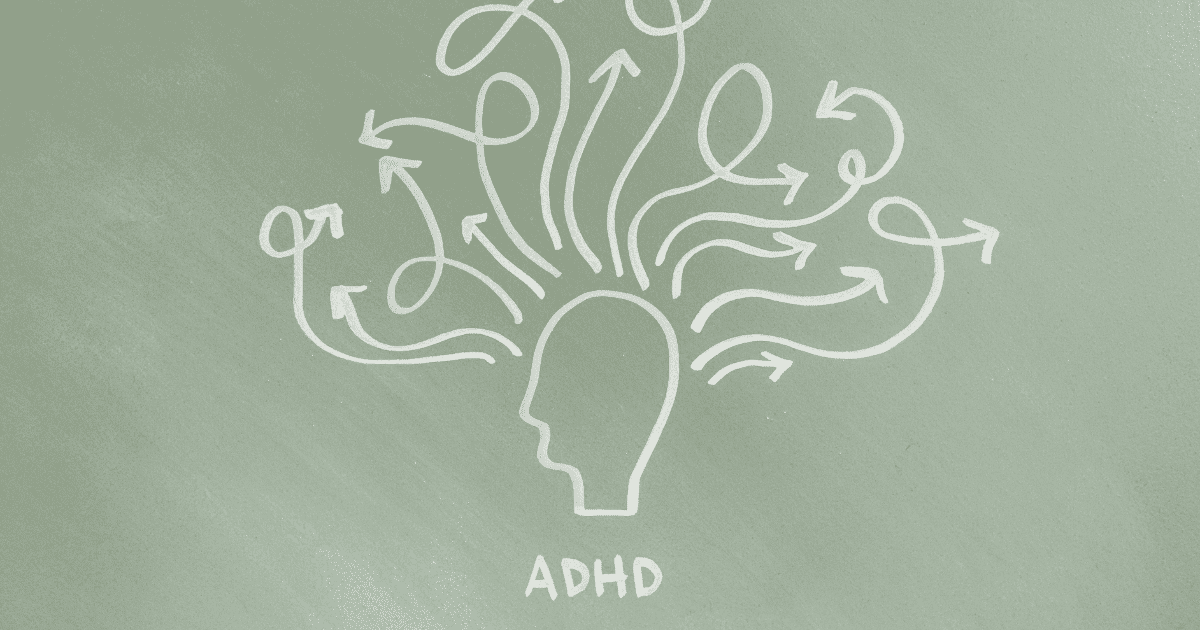
Knowledge of these causes can help parents, teachers, and other caregivers respond in an empathetic manner and use some of the most effective methods to manage it. The two comprehensive categories that define the science of this mental condition are as follows:
Genetic Influences
Research indicates that this mental condition is heritable. When a child knows a parent or a sibling with ADHD, the likelihood of them having it is very high. Scientific experts have shown that in the brain, certain genes exist that relate to dopamine regulation, which are related to the aspect of attention, along with impulse control. It is due to this reason that it is seen as a neurodevelopmental disorder, since it is founded on the familial differences in the functioning of the brain.
Environmental Triggers and Risk Factors
Besides genetics, several environmental factors may contribute to this mental condition. Among them are prenatal smoking, alcohol, or drug exposure, low birth weight, exposure to lead, and childhood trauma or neglect. Such disorders are capable of influencing the development of the brain and can complicate the treatment. An early healthy environment can soften the symptoms or effects of the passing years.
Debunking the Myth: Can ADHD Disappear Over Time?
Among the most frequently posed questions, there is also, “Can you outgrow ADHD?” The brief reply is no. It is a lifelong neurodevelopmental disorder. Its symptoms can, however, alter or diminish with time. Hyperactive behaviors can improve as the children get older, and they may be taught how to handle attention and concentrate. However, that does not imply that the disorder vanishes.
The symptoms of this mental condition tend to change in adulthood and include inner calmness, absent-mindedness, ineffective time use, or inability to organize. This may give the impression that the disorder has disappeared, but the truth is that it is being controlled better. It is imperative to improve the current understanding of this myth to receive the appropriate treatment and support at any life stage.
Managing ADHD Symptoms Through Different Life Stages
ADHD symptoms can vary tremendously depending on the age, environment, and responsibilities of an individual. A child may experience problems sitting in the classroom or focusing attention, and an adult may experience problems managing time, functioning at the job, or maintaining a relationship. Individuals develop, and as such, their coping requirements and methods of treatment should advance too.
Here is how it can be treated and managed at different stages of life:
Life Stage
Common Symptoms
Effective Management Strategies
Early Childhood
Trouble sitting still, impulsive behavior, short attention span
Structure and routine, positive reinforcement, behavioral therapy
School Age
Difficulty focusing in class, and forgetfulness
Time-management tools and parent-teacher collaboration
Teen Years
Poor time management and low self-esteem
Academic accommodations, counseling, and social skill building
Young Adulthood
Trouble with decision-making and work responsibilities
medication, and building life skills
Adulthood
Distraction, procrastination, and difficulty balancing tasks
CBT, lifestyle changes, and self-awareness
Impact of ADHD on Daily Life and Relationships
ADHD can have a very broad impact on all spheres of daily life, organizational and emotional control, and even relationships. Adults with this mental condition are normally faced with problems of missed deadlines, disorganisation, impulsivity, and forgetfulness that could cause stress both at work and at a personal level. It may also lead to relationship difficulties when communication difficulty or emotional reactivity occurs due to a lack of control over symptoms.
In the long run, such challenges may affect emotional strength and self-esteem. Nevertheless, through adequate management, which incorporates therapy, drugs, and lifestyle modifications for ADHD, patients may enhance their performance and restore positive relationships with other people.
Learn to Navigate ADHD at Hillside Horizon for Teens
There is no fast solution to dealing with ADHD. Hillside Horizon for Teens is familiar with the special problems that are associated with this neurodevelopmental disorder at every level of life. We offer customized support plans, professional guidance, and effective interventions in order to support individuals and families to excel. Call us today to find out how we can help you.
FAQs
What are the common symptoms in adults, and how do they differ from childhood ADHD?
The adult individuals with ADHD symptoms are likely to reveal them in terms of forgetfulness, disorganization, time management issues, and inner restlessness. Children with this condition may be more physically active, but adults tend to be more emotionally explosive.
How can ADHD management and lifestyle changes improve daily life for adults with ADHD?
ADHD symptoms can be greatly reduced by establishing routines, using reminders, breaking tasks into small pieces, and being attentive. These lifestyle modifications, when combined with therapy or medication, assist in maintaining productivity and mood.
What are effective treatment options available for adults diagnosed with this neurodevelopmental disorder?
ADHD treatment for adults may include stimulant or non-stimulant medications, CBT, coaching, and mindfulness practices. Each plan is tailored to the individual’s needs for the best results.
How is ADHD diagnosed in adults, and why is early diagnosis important for effective treatment?
Diagnosis involves the following steps:
- Detailed clinical interview
- Symptom checklists
- Input from family or past school records
Early diagnosis allows adults to begin effective treatment sooner.
What coping strategies can adults with ADHD implement to enhance productivity and reduce symptoms?
Using to-do lists, prioritizing tasks, setting time limits, and removing distractions are helpful strategies. Regular physical activity, healthy sleep, and professional support can also improve focus and reduce the impact of ADHD symptoms.
Clinically reviewed by Alejandro Alva, M.D., Medical Director.