
01
In Sessions
Coaching happens in the very hour a task feels stuck, and CBT works on the belief that your teen is simply lazy. A medication evaluation runs alongside that work when the clinical team recommends one.
Many families have already tried weekly coaching before they call us. Our program is for teens ages 12-17 whose school year has slipped away and whose evenings have become a nightly struggle over homework, giving your family a steadier daily structure.
Clinically reviewed by Alejandro Alva, M.D., Medical Director.


What this is
ADHD treatment here means structure your teen lives inside all day, not a weekly coaching session. Many attention problems fit best with school accommodations and a coach at home, and we will tell you that on the first call. Our program is for when the school year has fallen far behind and every evening ends in an argument about the desk.
When coaching and school supports are not enough
Lost assignments, skipped steps, and a planner that lasts three days often point to something other than a lack of effort.
Anger can arrive faster than your teen can slow it down, and any correction may land like an attack. The emotional side can be part of ADHD, not a separate problem.
Failing marks from a teen who clearly understands the material, and homework that turns dinner into a struggle most nights.
The text, the walkout, or the risky decision can happen first, and the understanding of why it was not a good idea shows up afterward.
Always late, always rushing, or lost in something that was supposed to take ten minutes. Your teen may not feel time passing the way you do.
You remind, you check, and you sit beside them at the desk. Your household may be running on your organizational skills, which is exhausting and may still not be enough.
Daily life
Sessions, family time at the kitchen table, and a staffed day all put the structure outside your teen's head, which weekly coaching alone often cannot offer.
01
Coaching happens in the very hour a task feels stuck, and CBT works on the belief that your teen is simply lazy. A medication evaluation runs alongside that work when the clinical team recommends one.
02
Parents learn how to prompt a start without becoming the person who sits at the desk indefinitely. Together, we write down what to do when the phone and the homework become a problem again.
03
Wake times, work blocks, and transitions are all staffed, so the structure lives outside your teen's head while they practice building their own.
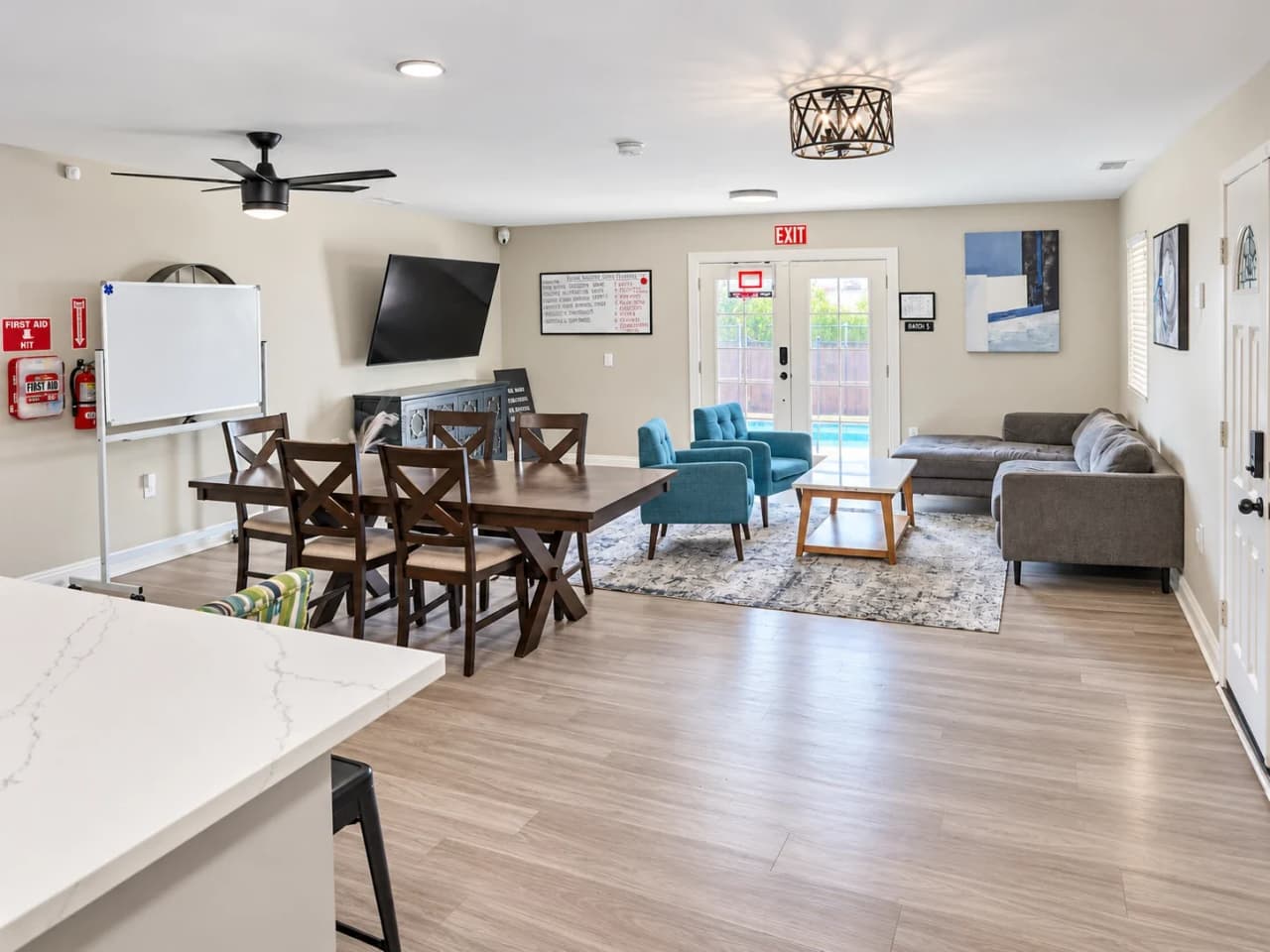
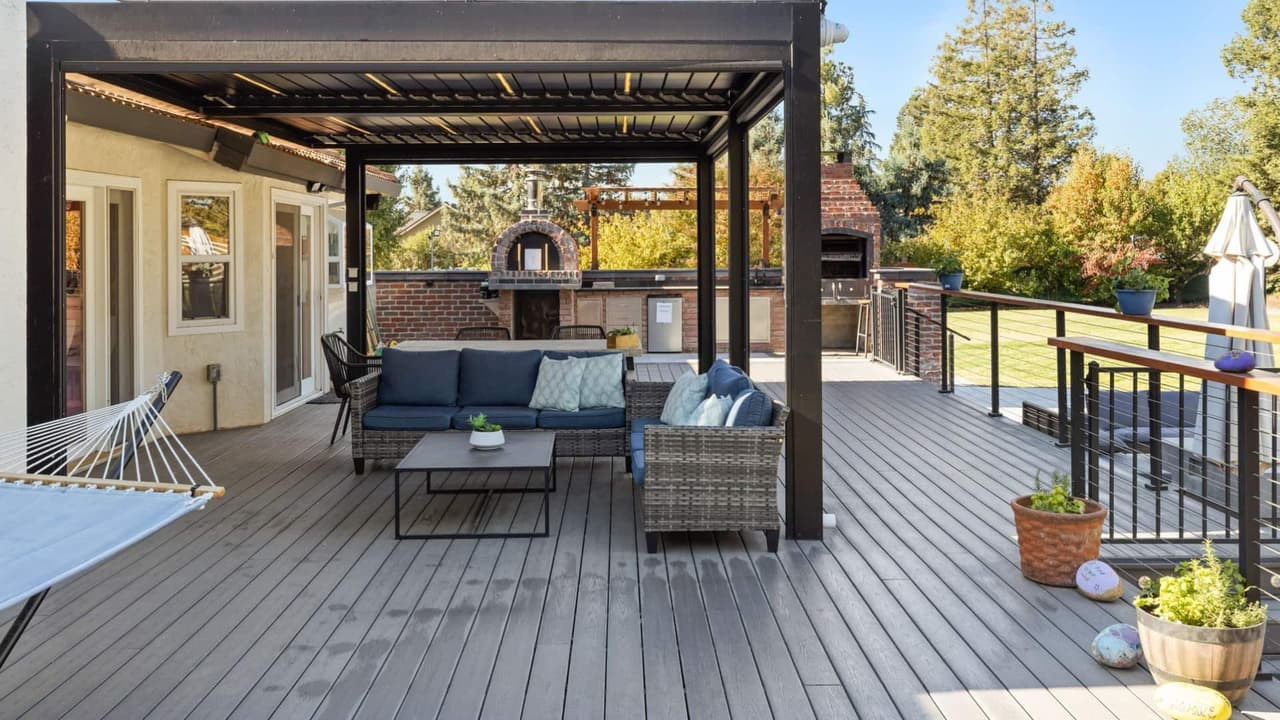
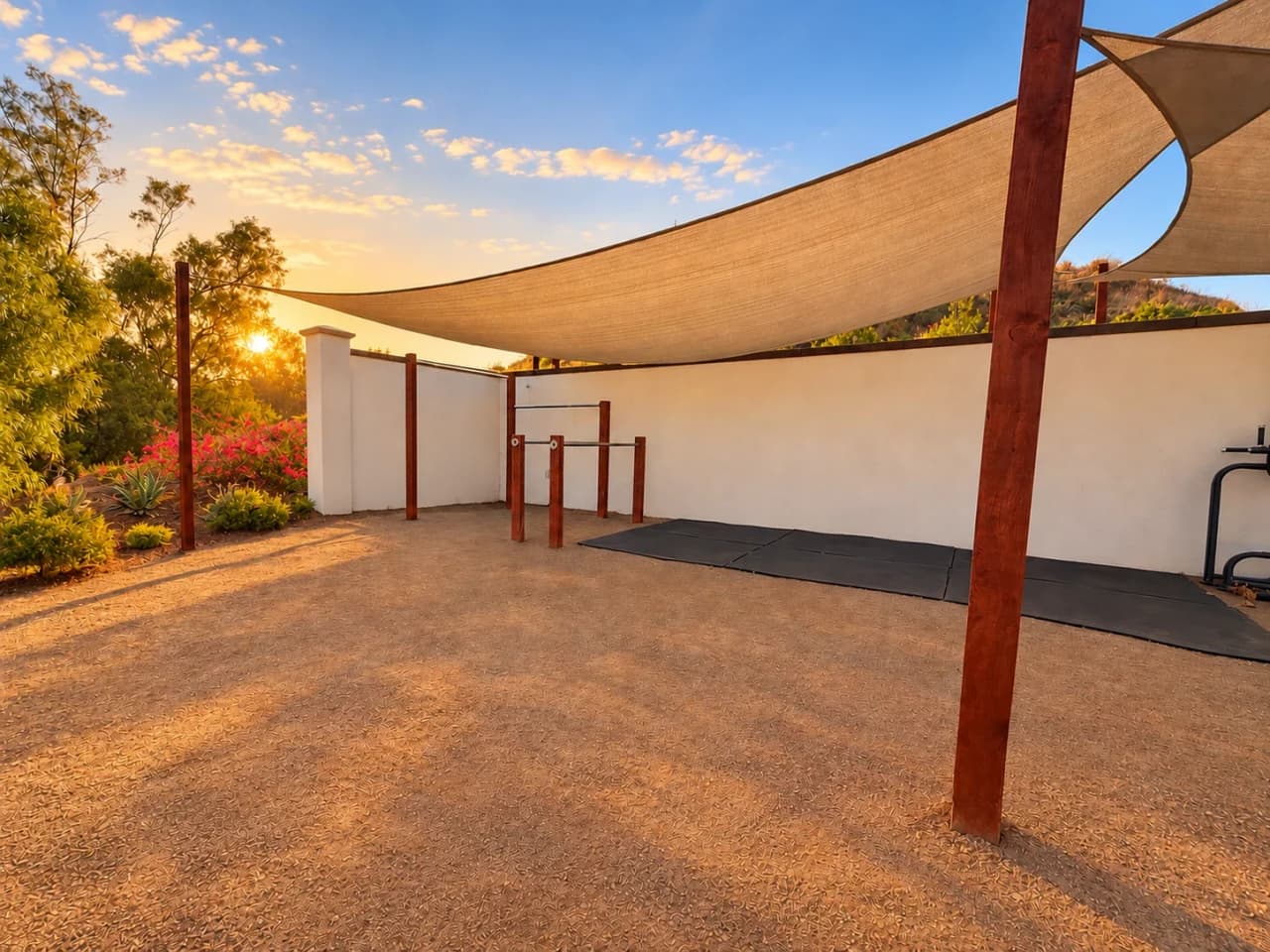
Richards is our boys' house in Riverside County, with six beds for teens ages 12 to 17. It is a single-story house with a pool, a patio, and a basketball court, staffed overnight like our other two houses.
You can also walk through Ridgeview and Shasta, our other two houses.
Our approach
A planner that gets used, a smaller first step, and parents who step back from doing the starting, because the school year has already slipped away once.
Starting, switching, and finishing tasks are coached as they happen, and the planner is used during the work block instead of being filled out and forgotten.
Years of missed work can convince a teen that they simply do not care. We answer that with a first step small enough that they actually begin.
When anger arrives faster than a pause, DBT gives your teen distress tolerance skills for the minute a task will not move, practiced until they can use them anywhere.
Accredited classes run through Advantages School in a room set up for an active body. Your teen keeps up with school while learning how to get through a school year.
Medication helps some teens a great deal, and the skills still need to be learned either way. We decide together with you, and we do not lead with a prescription.
Your part
ADHD can turn a household into a loop of reminders. Family work here teaches you a prompt you can give and then step back from.
Remind until the assignment is done.
Sitting beside the desk every night can teach your teen they cannot begin without you. We teach the prompt, the wait, and what happens naturally if it does not get done.
Send them away and keep doing the planner.
Family coaching is the core of this work. We will not pretend that treating your teen alone can fix a homework struggle we have never seen.
Hope Sunday dread sorts itself.
Homework, phone use, and Sunday evening each get a written plan that you practice here, rather than after another difficult weekend.
Academics
Many teens arrive already behind, with missing work stacked up from a semester of struggling to focus. Accredited classes run on site, so the stay does not have to cost them a year on top of that.
Classes Matched To Your Teen
Classes run through Advantages School, our accredited school partner. We use your teen's transcript and current schedule to place them in the right courses, helping protect their credits and their place in class while they learn how to start.
Optional Tutoring
Tutoring is available alongside the clinical day. A tutor sits through the first two minutes of an assignment and then steps back, because beginning is often the hardest part for your teen to do alone.
Preparing For The Return To School
Before discharge, we practice packing the bag, walking into first period, and handling the transitions that used to feel hardest.
Please send your teen's transcript, current schedule, and any IEP or 504 plan so we can build the structure around their real coursework.
Length of stay
30
days in residence, by progress
Most stays run 60 to 90 days. Some finish closer to 30, and a few need longer.
90
Many attention problems fit best with school accommodations, and a residential stay is the exception. When the school year and the evenings have both become too hard, 30 to 90 days gives your teen structure that a coach alone may not be able to build at home. Discharge waits until the routine holds without staff and there is a next adult who will support your teen without doing it for them.
When to call
If coaching has already been tried and the school year or the evenings have become too hard, we are here to help. Aaron Earnest and the admissions team will be honest if school accommodations are still the right answer. If the main concern is panic rather than focus, our residential treatment for teen anxiety page may be a better fit. We will not recommend a residential stay to solve a planner problem.
Most teens with ADHD do well with outpatient care, school accommodations, and a coach at home. Residential treatment is the exception, for when the school year has fallen far behind and evenings have become a nightly fight.
If weekly coaching has not been tried yet, admissions will tell you so and point you to that level of care first.
Yes. Trouble focusing can also come from worry, low mood, poor sleep, or trauma, and some teens have ADHD along with one of those co-occurring conditions.
The clinical team watches your teen through full days of school, therapy, and the house before deciding what is driving the problem. A medication evaluation is added when the team recommends one.
Medication helps some teens with ADHD a great deal, and the skills still need to be learned either way. When the team recommends it, you decide together, and we do not lead with a prescription.
Clinical care is led by Alejandro Alva, M.D., our Medical Director, so medication questions go to a physician who also sees how the day is going.
Discharge waits until the routine holds without staff, and there is a next adult who will support your teen without doing the work for them.
Aftercare includes a next coach, a written weekly plan, and check-in calls at 30, 60, and 90 days. Some teens step down to outpatient care first.
Before you call
FAQ
Answers to what parents often ask before calling about residential care for teen ADHD. If your question is not here, admissions can talk it through with you.
Many attention problems fit best with school accommodations and a coach at home, and a residential stay is the exception. Aaron Earnest and the admissions team will be honest if school accommodations are still the right answer. If the main concern is panic rather than focus, our teen anxiety page may be a better fit.
Most stays run 60 to 90 days, and some finish closer to 30 while a few need longer. Discharge waits until the routine holds without staff and there is a next adult to support your teen.
Classes run through Advantages School, our accredited school partner, and we use your teen's transcript and current schedule to place them in the right courses. Optional tutoring is available too, and a tutor sits through the first two minutes of an assignment before stepping back.
Parents learn how to prompt a start without becoming the person who sits at the desk indefinitely. Homework, phone use, and Sunday evening each get a written plan that you practice here before discharge.
Medication helps some teens a great deal, and the skills still need to be learned either way. A medication evaluation runs alongside the work when the clinical team recommends one, and we decide together with you.
This page is reviewed by Alejandro Alva, M.D., our Medical Director. These free guides from public health agencies and medical groups cover the topic in more depth.
National Institute of Mental Health
Attention-Deficit/Hyperactivity Disorder (ADHD) (opens in a new tab)
MedlinePlus, National Library of Medicine
Attention Deficit Hyperactivity Disorder (opens in a new tab)