

01
In Sessions
Individual therapy with licensed clinicians and group therapy, with DBT when a falling-out has taken over the week. Trauma-focused care and CBT are chosen specifically for your daughter.
A warm, family-owned residential program in Southern California created exclusively for girls ages 12–17. With a small, intimate setting and a team that truly gets to know each girl and her family, we provide the consistent support, structure, and compassion that can be difficult to achieve through just one therapy session a week.


What this is
Our girls-only house on our Southern California campus gives teen girls a dedicated space to heal alongside other girls their age. We often work with girls whose friend group has become their whole world, who feel constant comparison, who are carrying a falling-out that overshadows the week, or who use self-harm to make a painful feeling stop. Residential care fits when the evening undoes what the therapy hour built. If your daughter needs a psychiatric hospital instead, we'll tell you and help you find the right next step.
When this level of care fits
She may finish a session feeling steady and still fall apart at nine at night. When the thoughts keep going after outpatient therapy ends for the week, residential care offers support through the evening.
School is a social map as much as a classroom. When that map breaks, her grades often follow, so it helps to have classes and clinical care in the same place.
Self-harm, or distress that is hard to keep safe at home, calls for around-the-clock care. Our staff are present day and night, so your family doesn't have to take shifts through the night.
A small house of girls can either feed comparison or help interrupt it. We keep the group small and staffed, so group therapy becomes a place to practice healthier ways of relating.
You may be sleeping by her door and checking her phone. Parents here join family therapy and practice the first weekend home together, so everyone feels prepared when it arrives.
If your daughter has medical instability from an eating disorder, needs a locked unit, or needs care outside what we provide, Aaron Earnest and the admissions team will be upfront and help you find the right next call.
Daily life
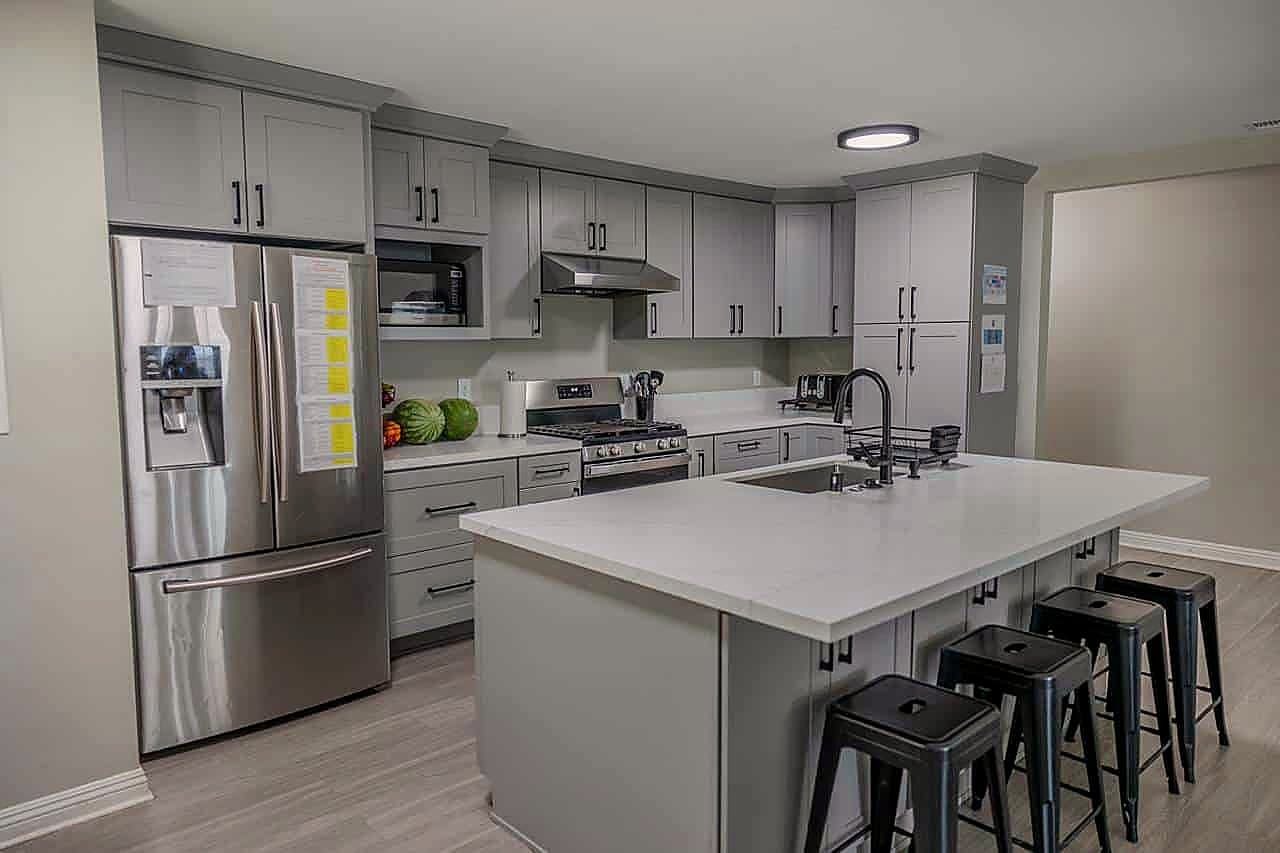
We believe meaningful growth happens not only in therapy, but in the everyday moments in between. Sharing meals, building friendships, navigating challenges, and spending time together in a supportive home environment all become opportunities for connection and growth.
01
Individual therapy with licensed clinicians and group therapy, with DBT when a falling-out has taken over the week. Trauma-focused care and CBT are chosen specifically for your daughter.
02
Parents and caregivers take part in family therapy, coaching, and a practice weekend. The kitchen table is part of the treatment, helping the whole family build healthier patterns together.

03
Overnight staff, meals that are part of the clinical day, and a small group of girls practicing real skills together. Staff watch for isolation and comparison, so neither gets a chance to take hold.
Our approach
Each part of the plan is chosen for your daughter and this level of care. A case manager keeps the plan clear and shared across the whole team.
DBT skills are used in the hour a text, a look, or a meal sets her off, so your daughter practices them in real moments and not only in a weekly class.
The hardest thoughts often arrive after lights out. Our staff stay awake overnight, so treatment does not stop at bedtime and your daughter always has support when she needs it most.
Accredited classes and optional tutoring run alongside the clinical day, so your daughter can keep making progress on her education throughout her stay.
The patterns at home are often a big part of the work. Family therapy, parent coaching, and a practice weekend keep you and the treatment team working from the same plan.
If your daughter needs a hospital, medical care for an eating disorder, or care outside what we provide, our admissions team will let you know on the first call while they review your insurance with you.
Your part
Residential treatment works best when your daughter and your family change together. Your involvement is an important part of her stay, and it goes well beyond Sunday visits.
Call me when she's herself again.
Family therapy every week, along with coaching on supervision, meals, and phone use, helps you and your daughter work through challenges together and build healthier ways to connect.
The girls will sort it out.
Even in a girls-only house, your daughter benefits from a parent who stays present, holds healthy limits, and sits down to share a meal together.
We'll see how Sunday goes.
Meals, phones, and the friend who texts are practiced here before discharge, so your family feels prepared for the transition home.
Academics
A friend group falling apart can pull a girl out of school for months. Accredited classes on site help your daughter catch up and keep moving forward during treatment.
Classes Matched To Her
Classes run through Advantages School, our accredited school partner. We use her transcript and current schedule to place her in the right courses, helping protect her credits and her place in school.
Optional Tutoring
Tutoring is available alongside the clinical day, giving your daughter extra support with her classes while she focuses on her treatment.
Preparing For The Return To School
Before her last day, we walk through the first hallway, the first lunch period, and the friend who will be waiting at her locker, so returning to school feels familiar and manageable.
To get started, send her transcript, current schedule, and any IEP or 504 plan.
Length of stay
30
days in residence, by progress
Most stays run 60 to 90 days. Some finish closer to 30, and a few need longer.
90
Most stays run one to three months, guided by your daughter's progress and not a set package. The first two weeks focus on safety, regular meals, and settling into the peer group. Discharge is planned around real progress and a clear next treatment team, which may include our outpatient or virtual IOP program on this campus.
When to call
If the nights have become hard to supervise safely, or friendships and self-harm have taken over her week, we're here to help. Aaron Earnest and the admissions team will be upfront about whether this house is the right level of care for your daughter. We are Joint Commission accredited. Anxiety and self-harm are often treated during the same stay, and psychiatry and medication management are available when the clinical team recommends them.
Before you call
FAQ
Answers to what parents often ask before calling about our girls-only residential program. If your question is not here, admissions can talk it through with you.
Yes. Girls ages 12 to 17 live in a girls-only house in Southern California, with their own peer group, staff in the house overnight, and school on site.
Most stays run one to three months, guided by your daughter's progress and not a set package. The first two weeks focus on safety, regular meals, and settling into the peer group.
Parents join family therapy every week, along with coaching on supervision, meals, and phone use. You also practice the first weekend home before discharge, so the transition feels prepared.
If she has medical instability from an eating disorder, needs a locked unit, or needs care outside what we provide, we will tell you. Aaron Earnest and the admissions team will help you find the right next call.
Yes. Classes run through Advantages School, our accredited school partner, and we use her transcript and current schedule to place her in the right courses. Optional tutoring is available too.