
In today’s fast-paced world, teenagers face unique pressures and stressors, from academic pressure to social media expectations. Unsurprisingly, many teens seek ways to manage their stress and improve their mental health.
Essential Takeaways
- Mindfulness and meditation offer valuable tools for managing stress and improving mental well-being for teens.
- Simple breathing exercises, mindfulness exercises, body scan techniques, and mindful walking can be easily integrated into daily life.
- Regular practice, setting realistic goals, and seeking support can help teens build a lasting mindfulness habit and experience its long-term benefits.
Mindfulness and meditation have emerged as powerful tools for navigating these challenges. This comprehensive guide will explore how mindfulness practices and meditation techniques can benefit teens, offer practical techniques to get started, and provide tips for incorporating these practices into everyday life.
Understanding the Importance of Mindfulness for Teens
Why Mindfulness Matters for Teens
Transitioning from childhood to adulthood comes with significant changes and challenges for teenagers. The complexities of adolescence include academic pressure, social dynamics, family expectations, and the omnipresence of social media, which can create a whirlwind of stress. Mindfulness and meditation offer a way to anchor oneself amidst these storms.
Mindfulness is about being fully present and paying attention to thoughts and feelings without judgment. This practice helps teens become more aware of their internal experiences, manage stress, and improve emotional regulation. Meditation, a key component of mindfulness, involves focusing the mind and calming the body, which can significantly reduce anxiety and stress.
The Science Behind Mindfulness
Research supports the effectiveness of mindfulness and meditation in improving mental health. Studies have shown that regular mindfulness can alter brain activity, emotion regulation, and attention-related brain structures.
For example, mindfulness can increase gray matter density in the hippocampus, which is involved in learning and memory, and decrease activity in the amygdala, the brain’s stress center. These changes in brain function can lead to improved emotional resilience, better focus, and reduced stress and anxiety levels. For teens, this means better managing everyday pressures and enhanced overall well-being.
Practical Mindfulness Techniques for Teens
Easy Mindfulness Exercises to Start With
Getting started with mindfulness doesn’t require much time or complex techniques. Simple exercises can be easily integrated into a teen’s daily routine, providing immediate benefits.
Breathing Exercises
Breathing exercises are one of the simplest ways to begin practicing mindfulness. They help calm the mind and body by focusing attention on the breath. Here are a couple of practical techniques:
Deep Breathing: Instruct teens to sit or lie down comfortably. Have them take deep breaths through the nose, hold it for a few seconds, and then exhale slowly through the mouth. Encourage them to repeat this process for a few minutes, focusing solely on the sensation of the breath entering and leaving their body.
Box Breathing: This technique involves inhaling for four seconds, holding the breath for four seconds, exhaling for four seconds, and then pausing for another four seconds before repeating. It’s a great way to help regulate breathing and calm the nervous system.
Progressive Muscle Relaxation: This technique combines deep breathing with systematic tension and relaxation of different muscle groups. Instruct teens to tense each muscle group for a few seconds and then relax while focusing on the contrast in sensations. This practice helps release bodily tension and promotes mental relaxation.

Body Scan Meditation
The body scan meditation helps teens become more aware of physical sensations and release tension. Here’s a simple guide:
- 1Find a Calm Space:
Have the teen lie down or sit comfortably in a calm space.
- 1Focus on the Breath:
Start with a few minutes of deep breathing, encouraging slow breath and awareness of bodily sensations.
- 1Scan the Body:
Ask them to focus on different body parts, starting from the toes and moving up to the head. Encourage them to notice any areas of tension and consciously relax those areas. This practice helps recognize and release physical sensations, creating a greater sense of relaxation and calm.

Mindful Walking
Mindful walking involves paying attention to the sensations and environment around you. It’s a great way to practice mindfulness while engaging in physical activity.
- 1Choose a Path:
Select a quiet place where the teen can walk without distractions.
- 1Focus on Sensations:
Encourage them to pay attention to the feeling of their feet touching the ground, the movement of their legs, and the sights and sounds around them.
- 1Stay Present:
Remind them to bring their focus back to the sensations of walking whenever their mind wanders. Mindful walking can be particularly beneficial for teens who struggle to sit still for meditation.

Meditation Techniques for Teens
Meditation Practices for Teenagers
Meditation offers a variety of techniques that can be tailored to a teen’s preferences and needs. Here are some practices to explore:
Guided Meditations
Guided meditations provide structure and support, making them ideal for beginners. These meditations are led by an instructor, either in person or via a recording, and can focus on different aspects such as relaxation, stress relief, or self-compassion.
Online Meditation Resources: Recommend apps like Headspace, Calm, or Insight Timer, which offer guided meditation sessions specifically designed for teens. These resources provide a range of options, from short sessions to longer practices, allowing teens to find what works best for them.
Mindfulness Apps and Tools
Several apps are designed to help teens build a mindfulness practice. These apps often include features like guided meditations, mindfulness reminders, and progress tracking.
Top Apps: In addition to Headspace and Calm, apps like Smiling Mind and Simple Habit offer age-specific content and tools to help teens integrate mindfulness into their daily lives.
Visualization Techniques
Visualization techniques involve imagining peaceful or joyous scenarios to help manage stress and improve focus. These techniques can be particularly effective for teens who struggle with anxiety or negative thinking.
Simple Visualization Exercise: Guide the teen to close their eyes and imagine a calming scene, such as a beach or a forest. Encourage them to focus on the details of the scene—what they see, hear, and feel. This practice can help shift their focus away from stress and promote relaxation.
Incorporating Mindfulness and Meditation into Daily Life
Creating a Mindfulness Routine
Establishing a regular mindfulness and meditation practice can be highly beneficial for teens. Here are some tips for integrating these practices into their daily lives:
Setting Realistic Goals
Start with small, achievable goals to build a consistent practice. For instance, teens can aim to practice mindfulness for just five minutes a day, gradually increasing the time as they become more comfortable.
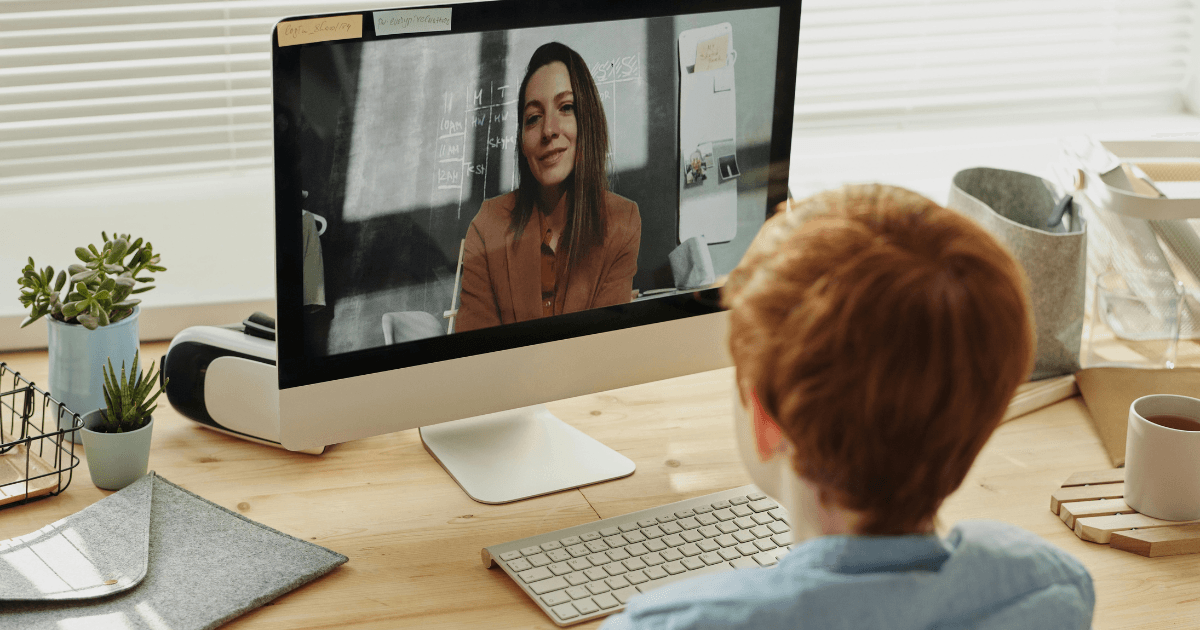
Daily Practice: Encourage them to set aside a specific time for mindfulness or meditation each day, such as before bed or after school. Consistency is vital to developing a lasting habit.
Finding a Mindfulness Buddy
Practicing mindfulness with a friend or family member can enhance motivation and accountability. It also provides an opportunity for shared experiences and mutual support.
Buddy System: Suggest that teens invite friends or family members to join them in their practice. They can explore different techniques and discuss their experiences, making the practice more enjoyable and meaningful.
Overcoming Common Obstacles
Teens may face challenges when starting a mindfulness practice, such as finding time, dealing with distractions, or staying motivated. Here are some strategies to overcome these obstacles:
- Time Management:
Help them find a time that fits their busy schedule, whether during a break between classes or before bed.
- Distraction Management:
Encourage them to create a quiet and comfortable space for their practice to minimize distractions.
- Staying Motivated:
Remind them of the benefits of mindfulness and celebrate their progress, no matter how small. Acknowledge the emotional benefits that come with cultivating a mindfulness technique.
Benefits of Mindfulness and Meditation for Teens
The Positive Impact on Mental Health
Mindfulness and meditation offer numerous benefits for mental health, particularly for teenagers. Here’s a closer look at how these practices can improve well-being:
Improved Focus and Concentration
Regular mindfulness practice can enhance cognitive functions, including focus and concentration. For teens, this means better school performance and an improved ability to manage daily tasks.
Academic Benefits: Mindfulness can help reduce distractions and increase attention span, leading to more effective study sessions and better academic performance.
Enhanced Emotional Regulation
Mindfulness helps teens become more aware of their emotions and develop healthier ways to manage them. This increased awareness can lead to improved emotional resilience and coping skills.
Emotional Benefits: Teens who practice mindfulness may find it easier to handle difficult emotions, such as anger or sadness, and respond to challenging situations with greater calm and clarity.
Increased Resilience to Stress
One of the primary benefits of mindfulness is its ability to build resilience against stress. By learning to stay present and manage their reactions, teens can handle stressors more effectively and maintain a balanced perspective.
Stress Management: Mindfulness techniques can help teens develop a more balanced stress response, reducing its impact on their mental health and physical health.

Resources and Support for Teens
Finding Additional Help and Resources
Numerous resources are available for teens interested in deepening their mindfulness and meditation practice. Here are some valuable options:
Recommended Books and Guides
Books and guides can provide additional insights and techniques for mindfulness and meditation. Here are a few recommendations:
- “Mindfulness for Teens” by Diana Winston
- “The Mindful Teen” by Daisy Parker
- “A Mindfulness Guide for the Frazzled” by Ruby Wax
Online Communities and Support Groups
Encouraging teens to engage with online communities or local support groups focused on mindfulness can provide motivation and a sense of belonging.
Social Media Platforms: Explore mindfulness-focused groups or pages on platforms like Facebook or Instagram, where teens can connect with others who share their interests.
Conclusion: Embracing Mindfulness for a Brighter Future
Incorporating mindfulness practices and meditation techniques into daily life can have profound effects on a teenager’s mental health and overall well-being. By helping teens learn and apply these skills, we can empower them to navigate the complexities of adolescence with resilience and confidence.
Through mindfulness, teens can cultivate self-awareness, emotional regulation, and stress management skills, laying the foundation for a healthier, more balanced life.
Encouraging teens to explore these practices can open doors to personal growth, improved mental health, and a brighter future.
Clinically reviewed by Alejandro Alva, M.D., Medical Director.