
Few forces in a teenager’s life carry as much weight as the opinions, habits, and expectations of their friends. Whether your child is 12 or 17, the psychology of peer pressure shapes how they dress, what they try, who they spend time with, and how they feel about themselves. For parents, understanding how peer influence works-and when it crosses a line-can make the difference between supporting healthy growth and missing early warning signs.
Key Takeaways
Here’s a quick summary for busy parents who want the essentials before diving deeper:
- Peer pressure and peer influence are powerful but psychologically neutral forces. They can push people toward risky behavior or toward positive growth, depending on the values of the peer group.
- Adolescence (roughly ages 12–19) is the peak window for peer pressure susceptibility because the teen brain prioritizes social rewards while cognitive control systems are still maturing.
- Positive peer pressure-rooted in principles from positive psychology-can build resilience, cooperation, academic motivation, and healthier decision making among teens.
- Warning signs that peer pressure is harming your teen include sudden behavior changes, secrecy, mood instability, substance use, and declining school performance.
- When peer pressure connects to depression, anxiety, self-harm, substance abuse, or other serious concerns, Hillside Horizon for Teens provides structured residential treatment with evidence-based and experiential therapies for adolescents ages 12–17.
What Is Peer Pressure? A Modern Psychological Definition
Peer pressure is the social influence exerted by a peer group-people of similar age or status-that pushes a person toward certain attitudes, behaviors, or choices. It can show up as explicit peer pressure, where someone directly tells your teen to do something (“You have to try this or you’re not one of us”), or as subtler indirect influence, where teens absorb what feels normal simply by watching friends.
It’s important to distinguish peer pressure from the broader concept of peer influence. Peer pressure often implies some degree of coercion, while peer influence includes observational learning, social modeling, and the quiet gravitational pull of group norms. Both are constantly at work in a teenager’s everyday life.
Consider concrete examples from 2020s teen culture:
- A friend offers a vape pen at a middle school party
- A group chat pressures everyone to post a specific type of TikTok challenge
- A close circle of friends all sign up for a volunteer project, and your teen follows
- Two friends decide to skip class, and your teen feels compelled to join
Here’s the critical nuance: peer pressure is psychologically neutral. Its impact depends entirely on the values and behavior of the group. The same mechanism that pushes a teen toward drug use can also push them toward community service. Peer pressure can produce both positive and negative behavioral outcomes, and most people experience it in some form throughout life.
While social influence continues into young adulthood, college, and even the workplace, it is especially intense during the middle school and high school years, when identity exploration is a critical aspect of adolescence and social acceptance feels like everything.
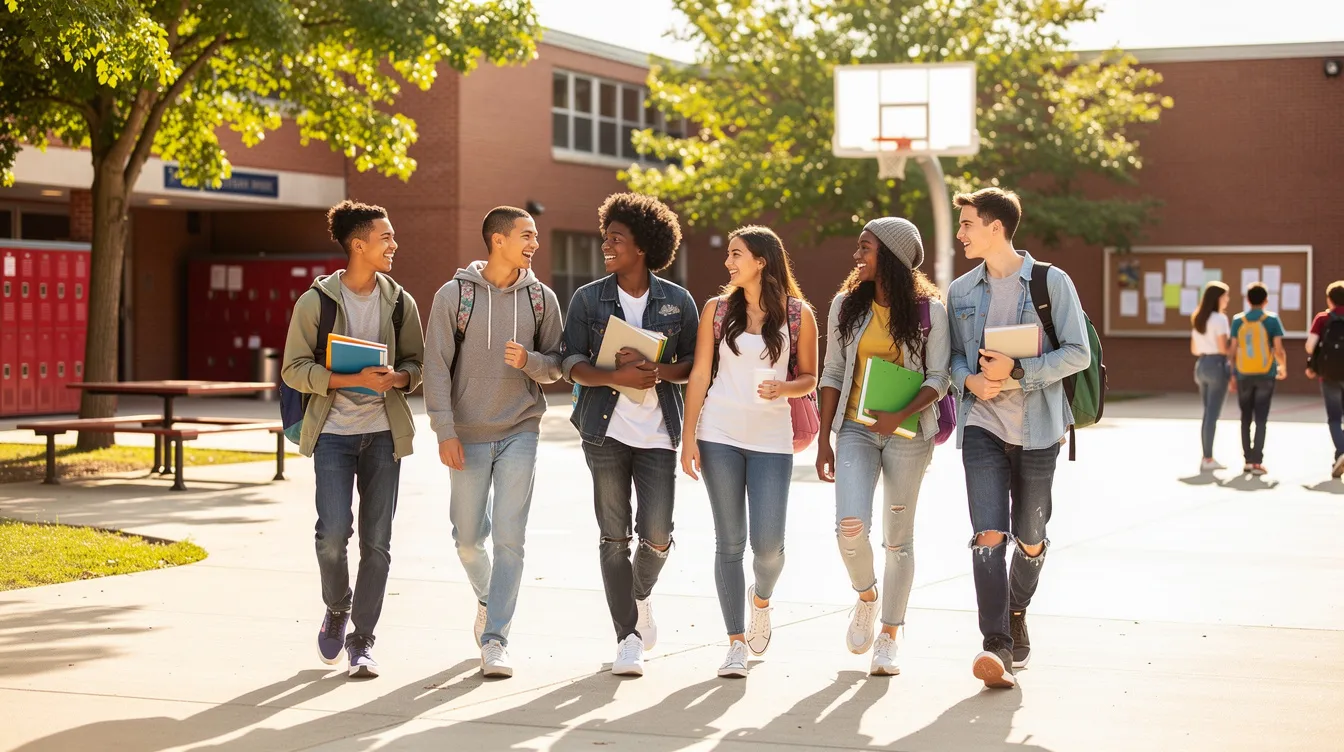
Why Teens Are So Sensitive to Peer Influence
Adolescence is a “perfect storm” of brain changes, identity questions, and social stakes that heightens peer pressure susceptibility far beyond what adults typically experience. Understanding why can help parents respond with empathy rather than frustration.
Identity development. Teens are actively experimenting with music, clothing, slang, beliefs, and social groups to figure out “Who am I?” Friends function as mirrors and reference points. Your child’s fashion choices, hair cut, and values are all being shaped-at least partly-by what peers model and reward. Identity exploration is not rebellion; it is a normal part of teenage development.
Evolutionary belonging. From a developmental psychology perspective, belonging to a group historically meant safety and survival. Humans have an inherent desire for social acceptance and fear of exclusion. That ancient wiring is still active. When a teen is excluded from a group, the emotional pain is not dramatics-it is a deep, biologically driven response.
Individual vulnerabilities. Teens with low or unstable self esteem, social anxiety, trauma history, or bullying experiences tend to be more easily influenced by negative peer pressure. Fear of rejection can cause teens to ignore their own judgment in order to stay connected with peers.
Cultural and marginalization pressures. Adolescents in minority or marginalized groups may feel dual pressure-to conform to dominant social norms and to meet their in-group’s expectations simultaneously. This added layer of identity conflict can intensify stress and peer pressure susceptibility.
Adolescents are most susceptible to peer pressure during development, and recognizing why can help parents approach the issue with both compassion and strategy.
The Brain Science of Peer Pressure
You don’t need a neuroscience degree to understand why your teen’s brain makes them more responsive to peers. Here’s a straightforward breakdown.
Between roughly ages 12 and 25, the prefrontal cortex-the brain region responsible for planning, impulse control, and decision making-is still maturing. Meanwhile, the brain’s reward systems (the ventral striatum, nucleus accumbens, and limbic structures) are already highly active. The socioemotional system in adolescents matures faster than the cognitive control system, creating a gap that makes risk taking feel more appealing than caution.
This matters because of what happens socially:
- Peer presence amplifies reward. When friends are nearby-or even when a teen imagines peer evaluation-activity in reward centers spikes. That’s why risky behavior like speeding, dares, or vaping feels more exciting and less scary when other kids are watching.
- The adolescent brain prioritizes immediate social gratification over long-term consequences. Getting a laugh from friends right now outweighs thinking about tomorrow’s consequences.
- Peer approval activates brain regions associated with reward processing in adolescents. Likes, comments, and in-group validation on social media trigger the same neural circuits as other rewards.
- The medial prefrontal cortex is involved in social decision-making, influencing how teens weigh what peers think against their own preferences.
Research shows teens with higher sensitivity in reward-related neural circuitry respond more strongly to peer norms-whether positive or negative. Adolescents may change behaviors to fit in with peers precisely because their brains are wired to treat social rewards as highly valuable. Self regulation and self control improve as the prefrontal cortex strengthens its connections to emotional centers, but that process isn’t complete until the mid-20s.
In short: your teen’s brain isn’t broken. It’s under construction-and that construction schedule makes social conformity feel almost irresistible.

Types of Peer Pressure Teens Experience
Peer pressure is not limited to someone saying “Come on, just do it.” It also includes subtle, everyday signals that shape behavior without a single word being spoken. Here are the main forms teens encounter.
Direct Peer Pressure
This is what most parents picture: explicit invitations, dares, ultimatums, and challenges. Examples include:
- “If you don’t drink, you’re boring.”
- Being dared to shoplift
- A friend insisting your teen skip school to hang out
Direct pressure is the easiest to recognize but not always the most common.
Indirect Peer Influence
Much of the pressure teens feel is normative-it comes from observing what “popular” or respected peers do. Group norms around dating, academic performance, substance use, and even how to talk about mental health all exert quiet force. If most people in a social circle vape, for example, a teen may start viewing it as normal rather than risky. Data from the PATH cohort study found that adolescents whose best friends used e-cigarettes had over four times the odds of trying vaping themselves, compared to teens whose close friends didn’t use.
Digital Peer Pressure
Social media can amplify peer pressure among adolescents in ways previous generations never experienced. Snapchat streaks, pressure to respond instantly in group chats, FOMO, and following risky trends on TikTok or Instagram all create a layer of influence that follows teens home. Learn more about how social media affects teen mental health.
Negative and Positive Examples
Peer pressure influences adolescents’ decisions about risky activities, but it also guides positive ones:
Negative Peer Pressure
Positive Peer Pressure
Shoplifting with friends
Studying together for exams
Cyberbullying
Joining a sports team or service club
Unsafe sexual behavior
Standing up for a bullied classmate
Drug use or underage drinking
Encouraging a friend to seek help
Pushing people to do risky things
Normalizing kindness and therapy
Social acceptance influences adolescents’ willingness to engage in risky behaviors, but it also influences their willingness to do good. The direction depends on the peer group.
Positive Peer Pressure and Positive Psychology
Here’s the reframe that changes the conversation: peer pressure can become “peer support” when the group’s norms emphasize care, responsibility, and growth.
Positive peer pressure is the social influence that nudges teens toward healthier habits, kindness, academic effort, or community service. It’s not just a nice idea-research backs it up:
- Positive peer pressure can motivate teens to volunteer together, turning service into a shared social activity rather than an obligation.
- Peer pressure can encourage prosocial behaviors like kindness and cooperation across friend groups.
- Supportive peer environments can enhance cooperative behaviors among friends, making teamwork feel natural.
- Peer influence can amplify positive behaviors in group settings-when one teen models empathy, others tend to follow.
- Positive peer pressure can lead to improved academic performance when a peer group values school engagement.
Principles from positive psychology-resilience, gratitude, optimism, and belonging-can be actively fostered in the right peer environments. Think about the children and teenagers in your teen’s life: a friend group that normalizes therapy, a sports team that supports sobriety, a club that celebrates inclusivity, or a raising children network in your community that connects families.
Concrete examples parents can encourage:
- Arts, robotics, or debate clubs where achievement is celebrated
- Faith communities, LGBTQ+ support groups, or cultural organizations
- Sports teams with coaches who model respect and accountability
- Volunteer projects where teens work alongside new friends
Encourage your teen to find or create spaces where healthy choices are not only accepted but admired by other children and young adults in their circle.

Warning Signs: When Peer Pressure Is Harming Your Teen’s Mental Health
Behavior changes linked to peers can signal deeper distress rather than simple “rebellion.” Conformity often occurs to gain acceptance from peers, but conforming to peer expectations can lead to internal conflict and anxiety-especially when those expectations clash with your teen’s values or safety.
Observable Changes
Watch for patterns, not just single incidents:
- Sudden shifts in clothing, friend groups, or language
- Secrecy around phones, social media, or whereabouts
- Lying about where they’ve been or who they were with
- Drastic changes in values or interests that seem out of character
Emotional and Physical Signs
- Persistent low mood, irritability, or signs of depression
- Panic or dread before social events
- Self-harm marks or evidence of self-injury
- Disrupted sleep, appetite changes, or new substance use
Specific Risk Areas
Peer pressure can lead to increased risk-taking behaviors in adolescents across several domains:
- Vaping and substances: In 2022, approximately 14.1% of U.S. high school students and 3.3% of middle school students used e-cigarettes. Drug abuse often begins with peer-driven experimentation. Research from the national institute level consistently identifies peer influence as a primary driver of substance initiation-a serious public health concern.
- Alcohol: Teens may drink to gain social acceptance, especially when older children or young adults in their circle model it.
- Digital self-harm and cyberbullying: Social norms online can push people into hurtful behavior, both as victims and aggressors.
- Disordered eating and body image: Girls report higher peer pressure regarding appearance than boys, though all genders can be affected.
- Unsafe sexual activity: Social acceptance increases risky behavior among popular adolescents when sexual activity is treated as a status marker.
If these patterns persist across weeks and don’t improve with conversations at home, it may be time to consider professional support-whether outpatient therapy, mental health screening, or a structured residential treatment program.
Recognizing the signs of a troubled teenager early gives families more options and better outcomes.
How Parents Can Help Teens Navigate Peer Pressure
Parents influence matters more than many families realize. Here are strategies you can start using today to help your teen resist peer pressure and build confidence in their own judgment.
Build Open Communication
- Schedule regular, judgment-free check-ins about friends, group chats, school events, and online communities.
- Ask open-ended questions: “What’s going on with your friend group?” rather than “Are your friends a bad influence?”
- Open communication with parents reduces peer pressure effects more reliably than lectures or punishments.
Have Values-Based Conversations
Help your teen name their own lines around substances, sex, academic integrity, and online behavior before they face pressure in the moment. When a person has already decided where they stand, it’s harder for a group to push people past those limits. Setting boundaries helps teens resist peer pressure because the boundary exists before the situation arises.
Practice Scenarios
Role-playing may feel awkward, but it works. Practice certain actions together:
- Saying “No thanks, I’m good” without over-explaining
- Suggesting alternatives (“Let’s go get food instead”)
- Using a code word to text parents for an “out” from risky situations
Teens can pause before responding to peer pressure-and rehearsing that pause builds the reflex. Building confidence aids teens in resisting negative influences over time.
Model Healthy Responses to Social Pressure
Parents who notice and manage their own social pressures-work culture, family expectations, community obligations-in a healthy, transparent way give their teen a living example of how adults handle social influence. Talk about times you chose to resist social conformity and what it cost or gained you.
Know When to Seek Help
Self-compassion helps teens manage stress from peer influence, but some situations require more than home support. If your teen’s safety or daily functioning (school, sleep, eating, relationships) is consistently affected, consider consulting a therapist, requesting a mental health screening, or exploring structured programs.
Watch for patterns that don’t improve with home support-and trust your instincts as a parent when something feels off.

How Hillside Horizon for Teens Supports Youth Affected by Peer Pressure
Some teens need more intensive support when negative peer influence interacts with depression, anxiety, trauma, or risky behavior. When outpatient therapy and family conversations aren’t enough to keep a teen safe, a structured residential environment can provide the reset a child’s life needs.
Hillside Horizon for Teens is a family-owned residential treatment center in California serving adolescents ages 12–17 with moderate to severe mental health challenges. Our program is designed for families who have tried other approaches and need a higher level of care.
Evidence-based clinical therapies. Our clinicians use Dialectical Behavior Therapy (DBT), Cognitive Behavioral Therapy (CBT), and EMDR to address issues often linked to peer influence: self-harm, suicidality, substance abuse, trauma, mood disorders, and anxiety. Other studies consistently support these modalities for adolescent populations.
Group and family therapy. Group therapy helps teens explore how peer dynamics have shaped their behavior-and practice healthier patterns in a safe community setting. Family therapy addresses how parents influence recovery and helps rebuild communication. We offer specialized programs for both teen males and teen females.
Experiential modalities. Art therapy, equine therapy, and adventure-based activities give teens tools to explore identity, practice setting boundaries, and build healthier connections with peers-skills that carry into life after treatment.
Academic continuity. We coordinate academic support so teens can continue school during their structured 30–90 day program, with extended care and aftercare planning to ease the transition home.
If you’re worried about peer pressure and your teen’s mental health, we invite you to contact Hillside Horizon for a confidential conversation about next steps, timing, and insurance coverage. You don’t have to navigate this alone.
Frequently Asked Questions
How is normal teen peer influence different from a serious peer pressure problem?
Normal peer influence includes experimenting with style, music, hobbies, and social groups while still respecting family rules and personal safety. It’s a natural part of adolescence and identity development. It becomes a concern when a teen’s values, mood, safety, or daily functioning-sleep, school performance, eating habits-are consistently harmed by what their peers expect or demand. Look for patterns across several weeks rather than reacting to a single incident. If your teen’s behavior has shifted dramatically and they seem distressed, withdrawn, or secretive over time, that’s a point where additional support may be warranted.
Can positive peer pressure really reduce risky behaviors like vaping or drinking?
Yes. Research and clinical experience both show that when a friend group normalizes sober activities, academic engagement, and mutual support, individual risk behaviors tend to decrease. Teens who belong to at least one group with clear positive norms-a sports team, faith community, service club, or recovery-supportive peer network-tend to make safer choices. The same neural mechanisms that make teens susceptible to negative peer influence also make them responsive to positive modeling. Parents can help by encouraging involvement in structured activities where healthy group norms are built into the culture, and by talking openly about what makes certain friendships feel good versus draining.
Does peer pressure affect boys and girls differently?
All genders experience peer pressure, but the areas of greatest intensity often differ. Some research suggests that girls may report more pressure around body image, appearance, and relationships, while boys may feel more pressure around toughness, risk taking, and substance experimentation. However, these patterns vary widely across individuals and communities. Rather than relying on stereotypes, focus on your individual teen’s experience. Ask them where they feel the strongest pressures and respect what they share. The goal is understanding their specific landscape, not applying a general template.
How can I talk to my teen about their friends without making them defensive?
Start with curiosity rather than accusation. Ask open-ended questions like “What do you like about spending time with them?” or “How does that group make you feel?” instead of labeling certain friends as “bad influences.” Focus on specific behaviors you’ve observed-late-night outings, changes in mood after certain hangouts, evidence of substance use-rather than criticizing particular peers by name. Share your concerns calmly, invite your teen’s perspective, and work together on realistic boundaries and safety plans. Teens are more likely to talk when they feel respected rather than interrogated.
When is residential treatment a better option than outpatient therapy for peer-related issues?
Residential treatment may be appropriate when peer-driven issues are tied to severe depression, self-harm, suicidal thoughts, trauma, drug use, or repeated unsafe choices that haven’t responded to outpatient therapy, school interventions, or family support alone. A structured 24/7 program like Professional Inpatient Therapy for Teens can provide a safe environment for stabilization, intensive clinical work, and the development of skills that make reintegration into school and community more sustainable. If you’re unsure whether your teen’s situation warrants this level of care, contact Hillside Horizon for Teens to discuss your family’s specific circumstances, including practical details around timing and insurance benefits.
Clinically reviewed by Alejandro Alva, M.D., Medical Director.