
Key Takeaways
- Negative peer pressure is a powerful social force that can impact mental health, decision making, and safety, especially during adolescence. Most teens will face it at some point, and approximately 90 percent of teens experience peer pressure in some form.
- Giving in to peer pressure is usually driven by normal psychological needs like belonging, social validation, and identity formation rather than moral weakness or poor character.
- Negative peer pressure can lead to risky behavior such as substance use, self-harm, unsafe driving, and skipping school, often creating conflict with a teen’s personal values and long-term goals.
- Positive peer pressure exists too and can be intentionally used to encourage healthy behaviors, academic effort, and treatment engagement.
- Hillside Horizon for Teens is a California residential mental health treatment center that helps adolescents build resilience, self esteem, and the skills needed to resist negative peer influence.
Introduction: What Is Negative Peer Pressure and Why It Matters
Picture a 15-year-old at a weekend gathering. Everyone in the friend group is passing around a vape pen, laughing, recording stories for social media. She doesn’t want to try it. But the room feels smaller with every second she hesitates, and the worry of being labeled “boring” grows louder than her better judgment. She takes a hit.
This scenario plays out in countless variations every day. Peer pressure is the influence that friends, classmates, teammates, or online peers exert on how a person thinks, feels, or behaves. When that influence pushes young people toward harmful or risky choices, it becomes negative peer pressure. When it encourages studying, kindness, sobriety, or trying new foods at lunch instead of skipping meals, it qualifies as positive peer pressure.
The numbers confirm what parents already sense: approximately 90 percent of teens report experiencing peer pressure, and adolescents are particularly vulnerable to peer influence due to developmental, psychological, and social factors. Research from Common Sense Media (2024) shows over half of U.S. teens feel pressured about achievement, life direction, and appearance, domains deeply shaped by peer comparison.
So why do people, especially adolescents ages 12–17, give in to negative peer pressure even when they know better? And what can parents do when peer influence becomes dangerous? This article explores those questions from the perspective of Hillside Horizon for Teens, a family-owned residential treatment center in California.

Core Reasons People Give In to Negative Peer Pressure
Multiple psychological, social, and developmental factors combine to make teenagers particularly vulnerable to negative peers. No single cause explains why a teen succumbs; instead, several forces work together.
The main drivers include:
- Need for belonging – the desire for acceptance drives adolescents to conform to peers, even when certain behaviors feel wrong.
- Fear of rejection – worrying about losing friendships or status can override personal values.
- Low self esteem – teens who feel insecure seek external approval more urgently.
- Social validation – likes, comments, and public recognition reinforce conformity.
- Incomplete brain development – the prefrontal cortex, responsible for judgment, is still maturing.
- Identity confusion – adolescents are still figuring out who they are, making them more open to adopting group norms.
Concrete examples include a 14-year-old trying marijuana at a house party because “everyone’s doing it,” posting risky content on social media to gain followers, shoplifting with a clique to maintain status, or kids joining self-harm challenges circulating in group chats.
These reasons are not signs of moral failure. They reflect normal human tendencies that become especially strong during adolescence. However, negative peer pressure significantly impacts decision making among teenagers and young adults. Conditions like depression, anxiety, trauma, ADHD, or bipolar disorder can magnify sensitivity to peer approval and make it harder to say no. Adolescents often prioritize peer opinions over parental guidance, and negative peer pressure can influence risky behaviors like substance use.
The Psychology Behind Peer Pressure and Belonging
Humans are wired for connection. The brain often treats social exclusion as a genuine threat, triggering the same neural pathways activated by physical pain. For teenagers, this alarm system runs at full volume.
Group membership shapes behavior. Throughout middle school and high school, peer groups create social norms that dictate acceptable behavior. Cliques, sports teams, and online communities become the primary reference points for what’s “cool,” “normal,” or “expected.” Fear of rejection often drives teens to conform to peer behaviors, even when those behaviors conflict with what they’ve been taught at home. Desire for acceptance can lead to compliance with peer demands that a teen would otherwise refuse.
Social media amplifies the stakes. Platforms like Instagram, TikTok, and Snapchat create continuous peer evaluation. Social media amplifies peer pressure by creating idealized representations of peer lifestyles. With more than half of U.S. teens using these platforms daily, the pressure to align with curated online personas is relentless. This extends beyond face-to-face interactions, meaning teens feel pressured around the clock. The impact of social media on teen self-esteem is well documented.
The bandwagon effect is easy to spot: everyone at a lunch table starts making fun of a classmate, and one teen joins in just to avoid standing out. The anxiety of being left out can drive individuals to participate in risky behaviors they would never consider alone. Adolescents often conform to peers to avoid social rejection.
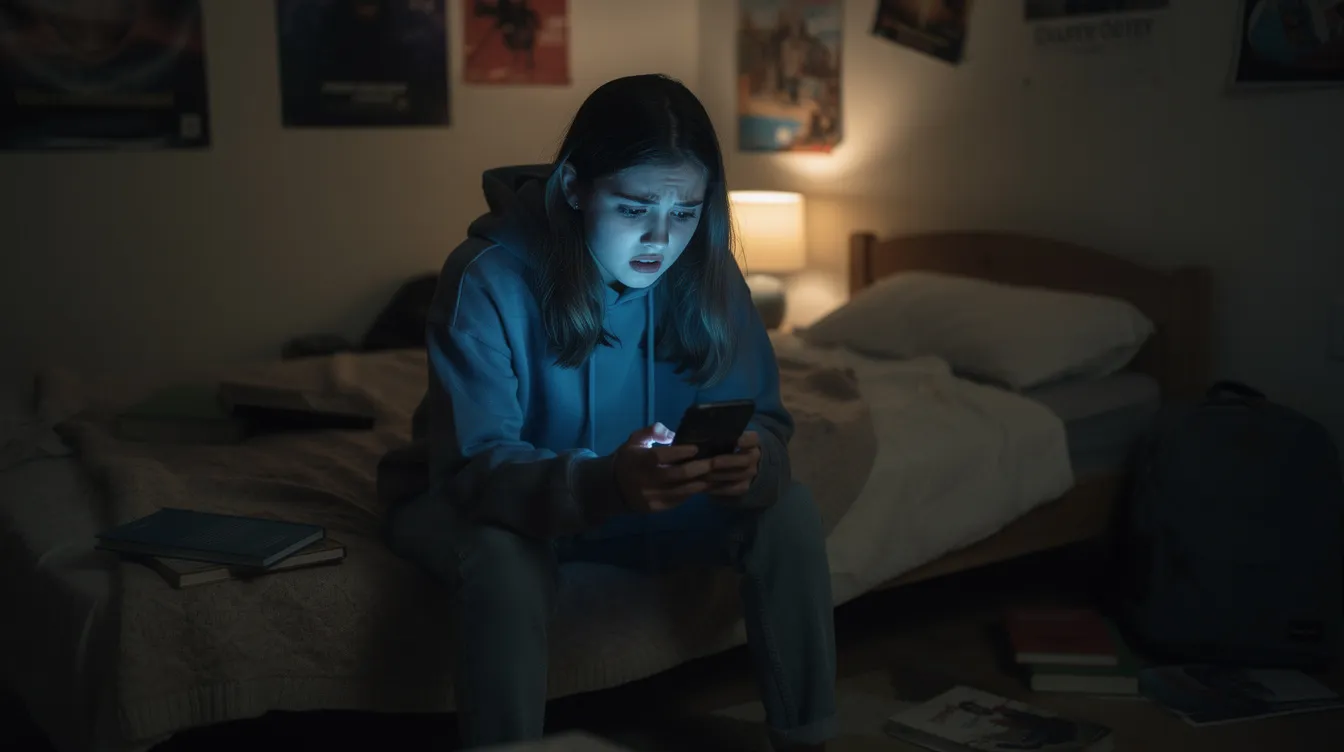
The emotional toll adds up. The strain from negative peer pressure can lead to anxiety and depression. Peer pressure can lead to anxiety and depression in adolescents, and repeated rejection or ongoing pressure fuels loneliness, low self esteem, and fear, which may manifest as sleep problems, irritability, or school refusal. Mental health implications from negative peer pressure can include withdrawal and aggression.
Adolescence, Brain Development, and Risk-Taking
Adolescent brains are still under construction. The prefrontal cortex, the region responsible for judgment, impulse control, and long-term planning, doesn’t fully mature until the mid-20s. Meanwhile, the brain’s reward system (the striatum and dopaminergic circuits) is already operating at peak sensitivity.
This imbalance matters enormously. Praise, laughter, and acceptance from peers feel especially powerful during this age group. Research from the ABCD study of approximately 7,800 adolescents found that delinquent peer environments correlate with weaker cognitive performance and altered functional brain connectivity in areas governing self-control. In other words, the company a teen keeps can literally shape how their brain processes decisions.
Curiosity about risky behaviors increases during adolescence, and this is partly biological. Adolescents are more likely to make reckless or impulsive decisions in groups than when alone. A teen might make smart choices in a quiet setting, but under peer pressure and emotional arousal, their ability to evaluate consequences collapses. The pressure to conform often leads to impaired risk assessment and impulsivity. Fear of rejection can overpower adolescents’ judgment in decision making.
Real-world examples of risky behavior driven by negative peer pressure include:
- Riding with an intoxicated driver because no one else objects
- Trying alcohol or pills offered by friends
- Engaging in dangerous online dares or challenges
- Vaping nicotine or cannabis to feel accepted
- Breaking rules at school to impress a peer group
Conditions like ADHD, bipolar disorder, or trauma-related impulsivity can make resisting negative peer pressure significantly harder. Many individuals entering residential treatment have experienced peer pressure that pushed them past their coping ability. Developing critical thinking skills helps resist negative peer pressure, but building those skills takes time and support.
Family Dynamics, School Culture, and Online Environments
Peer pressure doesn’t happen in a vacuum. Home life, school norms, and digital spaces all determine how strong negative peer influence becomes.
Parenting styles matter. Warm, consistent, engaged parenting tends to buffer against negative pressure. Research on approximately 9,174 adolescents found that parental monitoring and family cohesion were significant protective factors against polysubstance use initiation. Conversely, individuals who lack strong support systems at home are more vulnerable to peer influence. A teen who feels unseen at home may spend evenings in unmonitored group chats, seeking the acceptance and sense of belonging that’s missing from family relationships.
School and community culture also play a role. Schools that ignore bullying, normalize substance use at parties, or lack clear behavioral boundaries inadvertently strengthen negative peer norms. Peer groups can reinforce antisocial behavior through deviancy training, where children and adolescents in the same social circle escalate each other’s negative behavior over time. Other children in the same environment who might otherwise make healthy choices get swept along.
Online environments present unique challenges. Group chats, Discord servers, and anonymous apps can spread harmful challenges or normalize self-harm, disordered eating, or aggression. Much like how a security service scans for malicious bots that spread harmful content across networks, parents need tools to identify digital threats to their teen’s wellbeing. Think of parental monitoring as a kind of security verification, a checkpoint where you assess whether your teen’s online world is safe. When that verification successful signals come through, meaning your teen is engaging with positive influence online, you can feel more confident. But when warning signs appear, it’s time to respond. Ray ID tracking on websites flags suspicious activity; similarly, parents should flag sudden behavioral shifts linked to online peer groups.
A reassuring note for parents: you cannot control every environment, but you can improve communication at home, seek school support, and reach out for professional help when needed.
Warning Signs a Teen Is Struggling With Negative Peer Pressure
Early recognition can prevent minor peer issues from becoming serious mental health or safety crises. Here’s what to watch for:
Behavioral signs:
- Sudden change in friend group
- Secrecy about plans or whereabouts
- Unexplained lateness or lying
- New interest in engage with activities they previously avoided
Emotional and mental health signs:
- Increased anxiety, mood swings, or irritability
- Hopelessness or emotional withdrawal from family
- Feelings of worthlessness or heightened sensitivity to judgment
School-related indicators:
- Slipping grades or skipping school
- Frequent disciplinary actions connected to peer-related incidents
- Loss of interest in academics or extracurriculars
Physical clues:
- Smell of smoke, alcohol, or drugs
- New cuts or burns suggestive of self-harm
- Exhaustion or frequent unexplained headaches
These signs do not always mean negative peer influence, but together they warrant a conversation and possibly a professional mental health evaluation. Adults play a critical role in noticing patterns that teenagers themselves may not recognize.
How To Help Teens Resist Negative Peer Pressure
Resistance skills can be learned and strengthened. Parents and caregivers hold more positive influence than they often realize, even when it doesn’t feel that way.
Build self esteem and assertiveness. Praise effort rather than outcomes. Listen without immediate judgment. Role-play refusal skills at home so your teen has practiced responses before high-pressure moments arrive. Normalize saying “no” as a sign of personal growth, not weakness. Help your teen understand that responsibility for their choices belongs to them, and that this is empowering rather than burdensome.
Strengthen decision making and critical thinking. Teach your teen to slow down and evaluate risks before acting. Ask questions like “What’s the worst that could happen?” and “Does this align with what you actually want?” These habits build the ability to determine the right path even when peers disagree. Making decisions under pressure becomes easier with practice.
Leverage positive peer pressure. Encourage involvement in clubs, sports, art, or volunteer groups where peers expect good grades, sobriety, respect, and emotional support. Surrounding oneself with positive peers aids in resisting pressure. Healthy friendships and relationships where teens feel accepted without compromising their values are protective.
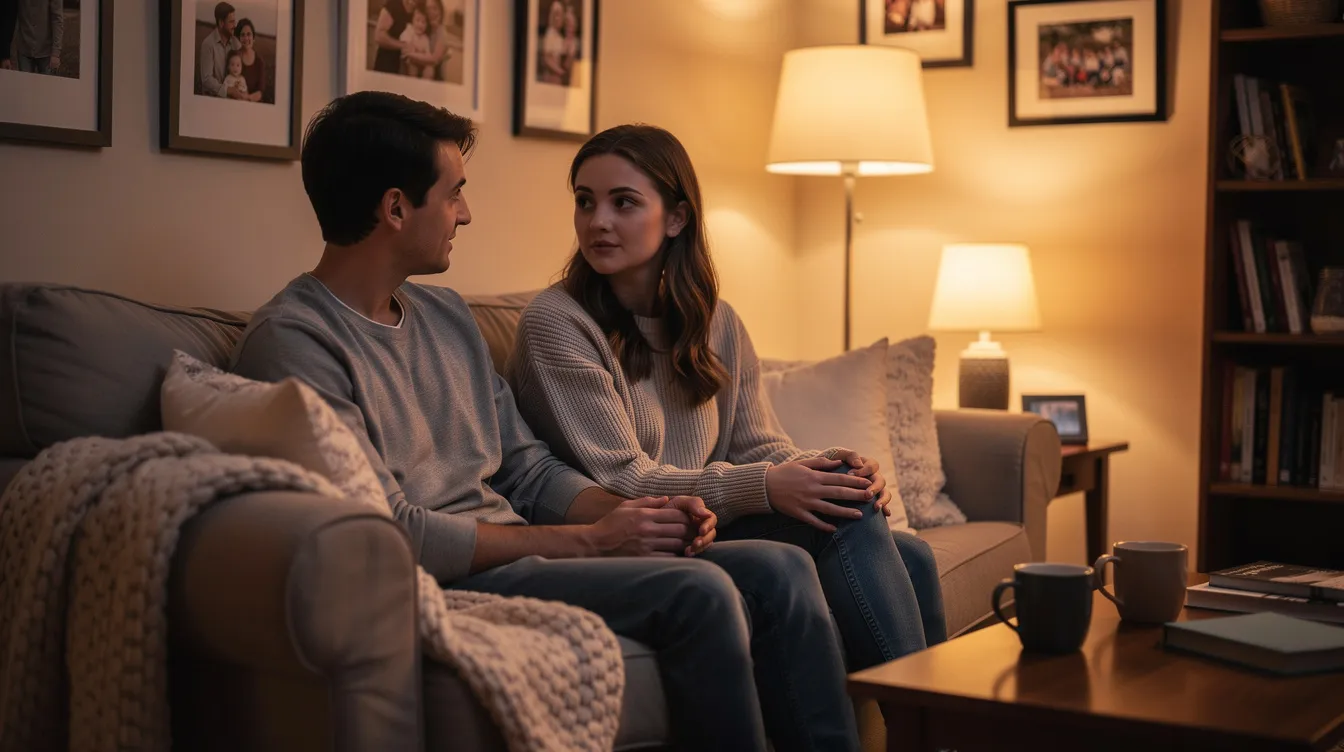
Communicate openly. Regular check-ins and open-ended questions about friends, school, and social media keep lines of communication alive. When a teen opens up about having experienced peer pressure, respond calmly rather than reactively. Your ability to listen without lecturing determines whether they’ll come to you again.
Know when to seek professional help. If a teen’s mental health is declining or their behavior becomes unsafe despite home-based support, outpatient therapy or residential treatment may be necessary. Life shouldn’t revolve around constant conflict between a teen’s desire for acceptance and their safety.
How Hillside Horizon for Teens Supports Youth Affected by Negative Peer Pressure
Hillside Horizon for Teens is a family-owned residential mental health treatment center in California serving adolescents ages 12–17 who are struggling with anxiety, depression, trauma, bipolar disorder, self-harm, and other serious challenges.
The program addresses peer pressure directly through individual therapy, including CBT, DBT, and EMDR when appropriate, targeting self esteem, emotion regulation, and decision making under stress. Teens learn to recognize how fear, desire for acceptance, and vulnerability to peer dynamics have shaped their choices.
In group therapy settings, adolescents experience positive peer pressure firsthand. Peers in treatment reinforce healthy behaviors, practice assertiveness, and model what it looks like to resist harmful group norms. This is where many individuals discover that belonging doesn’t require self-destruction.
Experiential therapies, including art, equine, and adventure activities, build confidence, resilience, and a sense of identity separate from negative peer groups. These modalities help teens develop mastery and social validation through constructive accomplishment rather than risky conformity.
Family involvement is central. Family therapy, parent education, and communication coaching help shift home dynamics toward support and monitoring without coercion. Parents learn how to be that security system their teen needs, a steady presence that helps their child seek safety rather than running from it.
Program details include:
- 30–90 day stays with the possibility of extension
- 24/7 supervision and structured care
- Academic support so teens stay on track with school
- Assistance navigating mental health insurance coverage
If you’re a parent in California or beyond and you’re worried that negative peer pressure is leading your child’s mental health or behavior in a dangerous direction, contact Hillside Horizon for Teens for an assessment.
FAQ
How is positive peer pressure different from negative peer pressure?
Positive peer pressure encourages healthy, prosocial behaviors like studying, attending therapy, staying sober at parties, and showing kindness to others. Negative peer pressure pushes toward risky or harmful behaviors such as substance use, bullying, self-harm, or unsafe decisions. Both types rely on the same human need for belonging and social validation, but positive peer pressure supports a teen’s long-term mental health and goals. Families and schools can intentionally cultivate environments where positive peers are visible, valued, and influential.
Are some teens more vulnerable to negative peer pressure than others?
Yes. Teens with low self esteem, a history of bullying or trauma, social anxiety, ADHD, depression, or limited support at home often find it harder to resist negative peers. Young people who feel “different” because of identity, interests, learning differences, or mental health diagnoses may be especially eager to feel accepted and therefore more susceptible. This vulnerability is not a character flaw. It signals where extra support, therapy, and skills-building from both parents and professionals can make the biggest difference.
When should a parent consider residential treatment for peer-related problems?
Residential treatment may be appropriate when a teen’s safety is at risk through self-harm, suicide attempts, severe substance use, or violent behavior, or when outpatient therapy has not stopped negative peer-driven behaviors. Helpful indicators include repeated running away to join a particular group, police or school involvement tied to the friend group, and significant decline in health despite community services. Hillside Horizon for Teens can conduct assessments to determine whether residential care, outpatient treatment, or another level of care is the best fit.
What if my teen denies that their friends are a bad influence?
Stay calm and avoid attacking the friends directly. Instead, focus on specific behaviors and consequences you’re observing: “Since you started spending time with this group, your grades have dropped and you’ve been caught using substances.” Use collaborative problem solving by asking what they like about the friend group and what worries them. Encourage involving a neutral mental health professional who can help your teen explore peer dynamics without feeling cornered or defensive.
Can teens really learn to say no to negative peer pressure?
Absolutely. Teens can develop skills to resist negative peer influence when they receive consistent support, practice, and positive role modeling. Practical tools include scripted refusal lines, exit strategies from unsafe situations, identifying safe adults to call, and building a peer network that supports good decisions. In settings like Hillside Horizon for Teens, these skills are rehearsed in therapy groups and real-life scenarios so that teenagers are more prepared when they return home and to school.
Clinically reviewed by Alejandro Alva, M.D., Medical Director.