
Key Takeaways
- Peer pressure can be positive or negative and shows up in everyday teen life through scenarios like vaping at parties, sexting in group chats, or friends encouraging each other to study harder.
- Different types of peer pressure-direct, indirect, online, and unspoken-can make teens feel pressured even when no one says anything outright, affecting mental health, self esteem, and academic performance.
- Negative peer pressure can decrease self confidence, damage relationships, and lead to risky behavior, while positive peer pressure can support healthy habits and school success.
- Open communication with parents and professionals like Hillside Horizon for Teens helps teens cope and recover.
- Residential treatment may be necessary when peer pressure connects with anxiety, depression, self-harm, or substance use.
Introduction: What Peer Pressure Looks Like in Real Life
Peer pressure is any influence-spoken or unspoken-that pushes a person to change their behavior, appearance, or values to fit in or avoid being excluded. It is not just friends forcing you to do something wrong; it is also the quiet sense that you should act a certain way because everyone else does. Adolescents are particularly susceptible to peer pressure because the need to belong is at its strongest during the teenage years.
Young adults face both negative and positive peer pressures in various aspects of life. Positive peer pressure can encourage healthy behaviors like studying for exams together, while negative peer pressure can lead to risky behaviors like drug use or drinking alcohol at a party. Peer pressure influences behavior in social groups of every kind-from the classroom to group chats.
At Hillside Horizon for Teens, a family-owned residential treatment center in California for adolescents ages 12–17, we see firsthand how peer pressure can spiral into deeper mental health concerns. Below, we break down concrete examples of peer pressure and practical ways for teens and parents to respond.
Different Types of Peer Pressure (With Everyday Examples)
Understanding different types of peer pressure helps teens notice when they are being influenced, even subtly. Peer pressure can be direct or indirect in nature, and each form can happen in person or online.
- Direct pressure: A classmate hands a 15-year-old a vape at a football game and says “everyone does it.”
- Indirect pressure: Indirect peer pressure can occur through the mere presence of risky behaviors in social settings-no one offers anything, but a teen sees peers using drugs and feels they should join in.
- Unspoken pressure: A friend group stops talking when someone walks up, making that person feel they must change to stay included.
- Cyber/online pressure: Teens may feel compelled to adopt specific fashion trends or social media behaviors after scrolling through edited photos. A 2026 survey found 44% of children ages 11–17 feel pressured to use social media-higher than pressure to smoke, skip class, or drink alcohol.
- Academic pressure: Peers mocking a student for earning good grades, calling them a “teacher’s pet,” or pressuring them to cheat on tests or homework.
- Appearance pressure: Teens may feel pressured to dress a certain way to fit in, editing photos to match idealized body image standards seen on TikTok or Instagram.
- Relationship pressure: Pressures to engage in sexual activity often arise from peers’ expectations, including being pressured to engage in sexting or move faster in a relationship than feels comfortable.

Real-Life Examples of Negative Peer Pressure
Negative peer pressure often pushes teens to cross personal boundaries or act against their values just to avoid losing a friend anymore. Social pressure can prompt risky behaviors, such as substance use or dangerous driving, and the consequences compound over time.
- A 10th-grader at a 2025 birthday party is told marijuana “is legal here, it’s not a big deal” and feels pressured to try drugs despite personal concerns.
- Friends dare a 13-year-old to send a sexual image on Snapchat, threatening to kick them out of the group chat. Some teens face pressure to engage in sexting at a young age, which can lead to shame and exploitation.
- Classmates share algebra exam answers in a Discord server, and peer pressure can lead to cheating on tests or homework when a student fears being excluded.
- Teens may feel pressured to drink alcohol at parties where everyone else is.
- A friend group excludes a teen from a lunch table unless they join in mocking another student’s weight, damaging the target’s self esteem and the participant’s sense of identity.
- Teens may feel pressured to skip school to fit in with a group that values hanging out over attending class.
Each scenario can harm academic performance, erode self confidence and self-worth, and trigger anxiety that lingers well beyond the moment.
Everyday Examples of Positive Peer Pressure
Not all peer pressure is harmful. Positive peer pressure can be a powerful protective factor for young people when peers encourage each other toward healthy, age-appropriate behavior.
- Friends starting a study group before AP exams, improving everyone’s academic achievement and confidence.
- Teens encouraging each other to join the school track team instead of hanging out where drugs are common.
- A group deciding to delete a bullying group chat and report it to teachers or a trusted adult.
- Students choosing to limit social media at night to protect their mental health and sleep.
- Peers inviting a quieter classmate to sit with them at lunch, reducing that person’s social anxiety and sense of isolation.
Surrounding oneself with positive friends helps resist peer pressure that leads in the wrong direction. Positive peer pressure can encourage healthy behaviors like studying, exercising, and supporting one another-building self confidence from the inside out.
How Peer Pressure Impacts Teen Mental Health and Daily Life
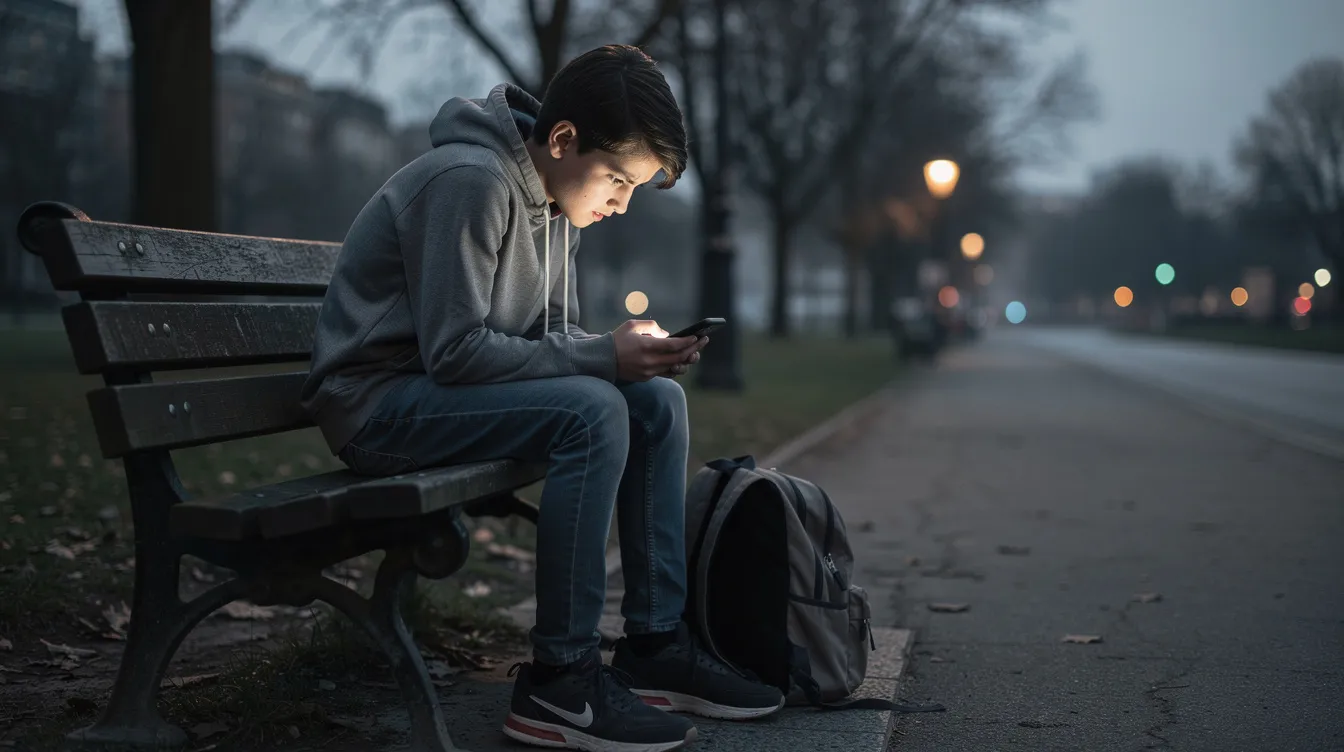
Peer pressure can impact mental health, increasing anxiety and depression-especially when it is chronic or happens online. Roughly one in five adolescents ages 12–17 report symptoms of anxiety, and a 10-year study linked peer pressure to increased depressive symptoms over time. Teen pressure can lead to sudden behavior changes and impact mental health in ways parents may not immediately recognize.
Appearance pressure-comparing oneself to edited images-can lower self esteem and lead to disordered eating or body image issues. Relationship pressure can push a teenager to act before they are ready, leaving them feeling guilty or unsafe. Negative peer pressure can decrease self-confidence and self-worth, gradually isolating a teen from family, hobbies, and previous friends. When these patterns develop into signs of a troubled teenager-self-harm, suicidal thoughts, or sudden academic collapse-professional support is essential.
Academic Pressure and Social Life: School-Based Examples
School is a major setting where students feel pressured. Academic stress intersects with social norms constantly, and peer pressure among teenagers influences attitudes, values, or behaviors to conform to group norms in the classroom and beyond.
- Positive: Friends creating a shared Google Doc for a March 2026 history test, motivating each other to stay on top of homework.
- Negative: Classmates teasing a peer for “trying too hard,” causing them to stop participating-peer pressure can negatively impact academic performance.
- Negative: A group deciding to skip classes and pressuring others to join so “no one snitches.”
- Positive: Peers normalizing asking for tutoring or counseling, which schools can promote inclusivity to help teens feel connected.
When school stress combines with emotional struggle, a structured academic program within a residential treatment center can stabilize both learning and mental health.
What To Do If You Feel Pressured: Practical Strategies for Teens
It is normal to feel pressured and scared to lose a friend anymore if you say no. That does not mean you have to give in. Strategies for handling peer pressure include assertive communication and suggesting alternatives. Here is how to practice resisting:
- Rehearse short refusal lines: “No thanks, that’s not my thing.” Teens can resist peer pressure by saying “no” confidently.
- Plan exits-text a parent a code word if a situation feels unsafe.
- Choose one trusted friend who also wants to avoid risky behavior and agree to support each other at events.
- Limit time in group chats where people constantly engage in pressuring others to share photos or break rules.
- Focus on activities that build self confidence-sports, art, music, volunteering-so your identity does not depend on one group’s approval.
- Practice internal questions: “Is this really what I want?” and “How will I feel about this tomorrow?”
- Practicing refusal skills can help teens cope with peer pressure before high-stakes situations happen.
If saying “no” makes a peer angry or cruel, that is a sign they may not be a healthy friend anymore.
How Parents and Caregivers Can Support Teens Facing Peer Pressure
Open communication helps teens feel heard and supported. Parents can model responsible behavior to influence teens positively, and creating a culture of care reduces risky behaviors in teens. Open communication helps teens discuss peer pressure issues without fear of punishment.
- Schedule regular check-ins-weekly walks or car rides-where phones are away and kids can talk freely about friends and school.
- Ask open-ended questions: “What’s the hardest part about your friend group right now?”
- Role-play responses with teens so they practice tone and body language that shows self confidence.
- Monitor online activity in age-appropriate ways. When teens visit any website, features like security verification and security service tools protect against malicious bots-but parents also need to verifies that their children understand digital safety. Much like a verification successful message confirms a real person and not a bot is accessing a site (with each request tracked by a respond ray id), parents should confirm their teen’s online spaces are safe. These tests of digital literacy matter in context.
- Help teens find diverse community groups-clubs, sports, arts-so their self esteem does not rest on one circle. Encouraging individuality helps teens make decisions aligned with their values.
- Explain family values clearly around substances, relationships, and academics while respecting growing independence.
- Encourage use of school counselors or therapists when concerns about peer issues begin to impact sleep, grades, or mood.
When Peer Pressure and Mental Health Require Professional Help
Sometimes peer pressure reveals or worsens deeper conditions like depression, trauma, or substance use. Adults involved in a teen’s life should watch for red flags: self-harm, suicidal thoughts, repeated substance use, severe withdrawal, or dramatic academic collapse. Peer pressure can lead to increased anxiety and depression that outpace what outpatient therapy alone can address.
Outpatient therapy using CBT, DBT, or family therapy can help many teens develop coping skills and healthier boundaries. However, when a teenager’s safety is at risk and they are too vulnerable in their current peer environment, a residential treatment center like Hillside Horizon for Teens may be appropriate. We offer evidence-based therapies (CBT, DBT, EMDR), experiential modalities (art, equine, adventure), on-site academic support, and a safe environment where positive peer influence is modeled daily. Treatment includes family therapy and aftercare planning so teens return home with stronger skills to lead their own lives and cope with whatever may happen next.

FAQ
These FAQs address common questions for both teens and parents dealing with peer pressure.
How can I tell if what I’m experiencing is “peer pressure” or just normal friendship?
Friendship respects boundaries; peer pressure repeatedly pushes past them, especially after you have already said no. If you feel anxious before seeing certain friends, hide interactions from parents, or feel you must “perform” a certain way to stay included, that is a red flag. Occasional disagreements are normal-ongoing fear of exclusion is not. Suggest talking to a trusted adult if you are unsure; outside perspectives can help label patterns clearly.
What if I already gave in to negative peer pressure and now I feel ashamed?
Many teens have moments where they go along with the group and regret it later. This does not define your entire character. Acknowledge the mistake, make safer choices going forward, and try new things that align with your values. Seeking support from a counselor can help rebuild self esteem. Learning from the experience can actually strengthen self confidence and decision-making at any age.
How does online or social media peer pressure differ from in-person pressure?
Online pressure can feel constant because it follows teens through phones day and night. Digital communication can make people act harsher than they would face-to-face, and standing up for yourself feels harder behind a screen. Common examples include pressure to share personal photos, join bullying comments, or post risky content for likes. Simple strategies: mute or leave harmful chats, use privacy settings, and ask adults for help when things become overwhelming.
Can positive peer pressure really protect my teen from risky behavior?
Research and clinical experience show that teens with even one or two friends who avoid substances and respect boundaries are less likely to engage in high-risk behavior. Supportive peers normalize healthy habits-studying, sleeping enough, saying no. Parents can help by encouraging teens to join clubs, sports, or arts communities where positive peer pressure is common. At Hillside Horizon for Teens, peer support and group therapy are designed to teach and reinforce positive influence.
When should a parent consider residential treatment like Hillside Horizon for Teens?
Residential care may be appropriate when a teen’s safety is at risk, academic performance has seriously declined, or outpatient therapy has not been enough. Specific issues like self-harm, suicidal thoughts, or substance use linked to peer groups are strong indicators. Hillside Horizon offers comprehensive assessments to help families decide whether 30–90 days of structured support is needed. Contact us directly by phone or through the website to discuss your teen’s situation and potential insurance coverage.
Clinically reviewed by Alejandro Alva, M.D., Medical Director.