

01
In sessions
Safety planning that is collaborative and updated. DBT for the urge. Individual work on the pain the thought is carrying — not a contract they sign and we file.
A plan, 24/7 presence, and honest talk. We treat the pain underneath, not only the crisis.
What this is
Thoughts of not wanting to be here range from a passing wish to a plan. Both are clinical. Outpatient hours end. This house does not. We treat safety as the first hour of every day — and the depression, trauma, or despair underneath. We do not treat a teen who is “being dramatic.”
What families usually notice
Not wanting to live. Being a burden. A joke that is not a joke. We take the words at face value.
Parents in shifts. Means removed. A house that cannot sustain this level of watch.
Hospital discharge, an escalation, access that scared you. Step-down belongs somewhere staffed.
No future tense. Nothing will change. The thought is not only a mood — it is a conclusion.
A sudden calm after a storm. Goodbyes dressed as cleaning out. We ask. We do not wait to be sure.
Depression, trauma, bullying, a family war. Ideation is the signal. The plan has to reach what it is about.
What treatment looks like
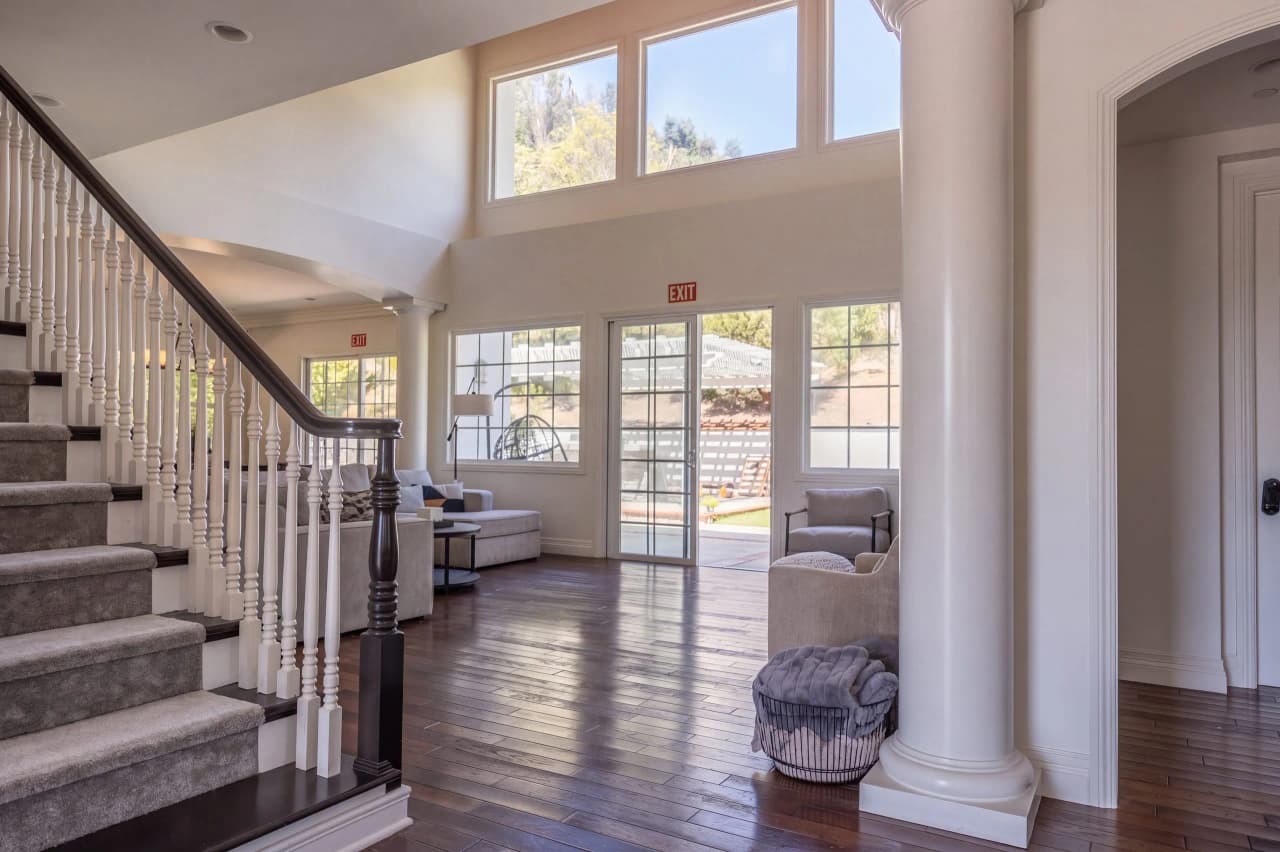
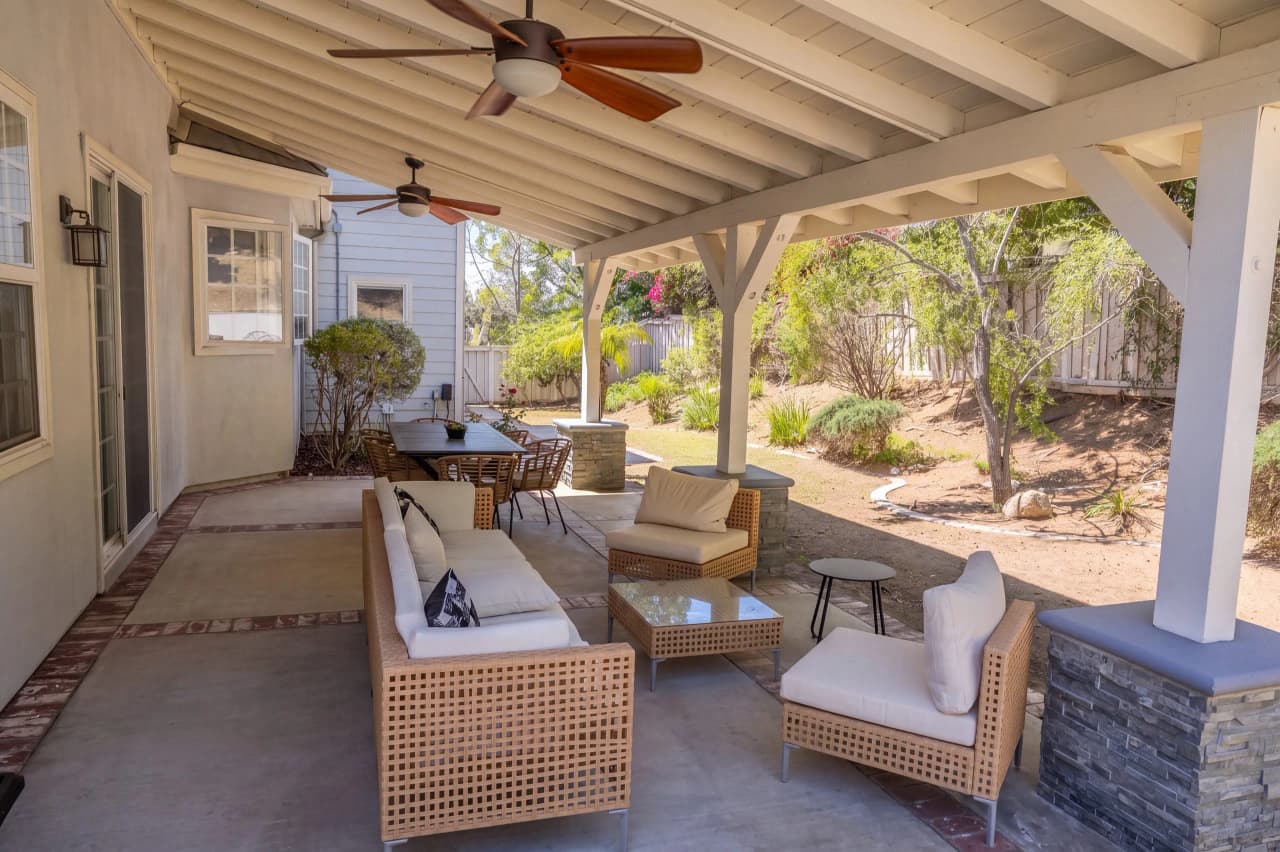
Hover a room. Sessions, the family table, and the house itself — the same skills, practiced in three places.

01
Safety planning that is collaborative and updated. DBT for the urge. Individual work on the pain the thought is carrying — not a contract they sign and we file.

02
Parents learn how to ask, how to listen, and what to do at 1 a.m. Coaching, family sessions, and a plan for the first weekend home — when the watch is yours again.

03
24/7 presence. A house that is awake when the thought is loudest. Connection is treatment. Isolation is the thing we do not feed.
The work
Chosen for this teen — not a stack of every method we know. Each piece is in the mix for a reason. None of them is the whole plan.
Assessment at intake and after. A written plan that changes as risk changes. Family is in it. The house is staffed at night.
Distress tolerance for the minute the urge peaks. A next move that is not the thought. Practiced here until it can travel home.
The conclusion that nothing will change. We test it with a day that is different — not a poster about hope.
Depression, trauma, a relationship pattern. The thought is the signal. The plan has to reach what it is about.
Medication can help the mood underneath. We consult; we do not treat a crisis with a pill alone.
Your part
Suicidal thoughts rearrange the house around the night. Treatment here includes you — not as a visitor, as the person who has to know what to do when you are the watch again.
Don’t ask. It might put the idea in their head.
Asking does not plant the thought. Silence does. We teach the question, the listen, and the next call.
Hand them over and wait.
Family therapy and a shared safety plan. You are not waiting in the parking lot. The work is on how the house answers the night.
Figure out Sunday later.
A written plan for means, the night, Sunday. We practice the weekend before discharge — not after a cliff.
Academics
The crisis already took the classroom. Treatment here does not take the year.
Their curriculum
On-site accredited school. Work from the home district — not a generic packet — so the seat and the credits stay theirs.
Small by design
Tutoring sits beside the clinical day. No teen sits a semester out to get well.
Back to campus
We practice the return before the last day here — the hallway, the bell, the first class.
Send the transcript, the current schedule, and any IEP or 504.
Length of stay
30
days in residence, by progress
Most stays land between one and three months. We do not pick a discharge date before the work is ready.
90
Some ideation can be held in outpatient with a tight plan. When you cannot leave them, or the hospital has sent them home still unsafe, a stay of one to three months gives the night a floor that is staffed. Discharge waits on stability and a next team — not a calendar.
When to call
If you cannot leave them, if they have said it, or if the hospital has sent them home and you are still afraid — call. If someone is in immediate danger, call 988 or 911. We will be honest if this house is too much, or not enough.
Often arrives with