
01
In Sessions
We schedule one small action, like a walk or sitting down for a meal, and practice it with your teen until getting out of bed is no longer the hardest part of the day.
Families often call when their teen stays in their room, has stopped getting up for school, and has dropped the friends and hobbies they used to care about. We offer a home-like live-in program in Southern California for ages 12 to 17. With behavioral activation, we add one small action back into the day until a routine holds.
Clinically reviewed by Alejandro Alva, M.D., Medical Director.


What this is
Some sadness is a hard month. Residential treatment for teen depression can make sense when your teen has already lost school, sleep, and the activities they used to enjoy. Depression is a diagnosis we treat, and it is not a sign that your teenager is lazy.
Signs of teen depression
Friends may stop visiting, hobbies stop, and getting your teen to dinner can become a negotiation. Most of the week then happens in their room with the door shut.
The team, the show, or the friend they used to love may no longer feel worth their time. Losing the ability to enjoy things is a symptom, not an attitude your teen could simply drop.
Fourteen hours of sleep and still feeling exhausted, or lying awake until three in the morning, can make it hard to get through the next day.
What you hear may be snapping, sarcasm, and a short fuse. Underneath it is often a mood that will not lift on its own.
Showers, grades, and thoughts about the future may stall out, because attempting something can already feel like proof that they will fail at it.
We assess for this on day one and every day after. When a teenager jokes that everyone would be better off without them, we take it seriously and do not treat it as just being dramatic.
Daily life
A session that begins with one small action, shared meals your teen joins, and a daily schedule that keeps going steadily without waiting for motivation.
01
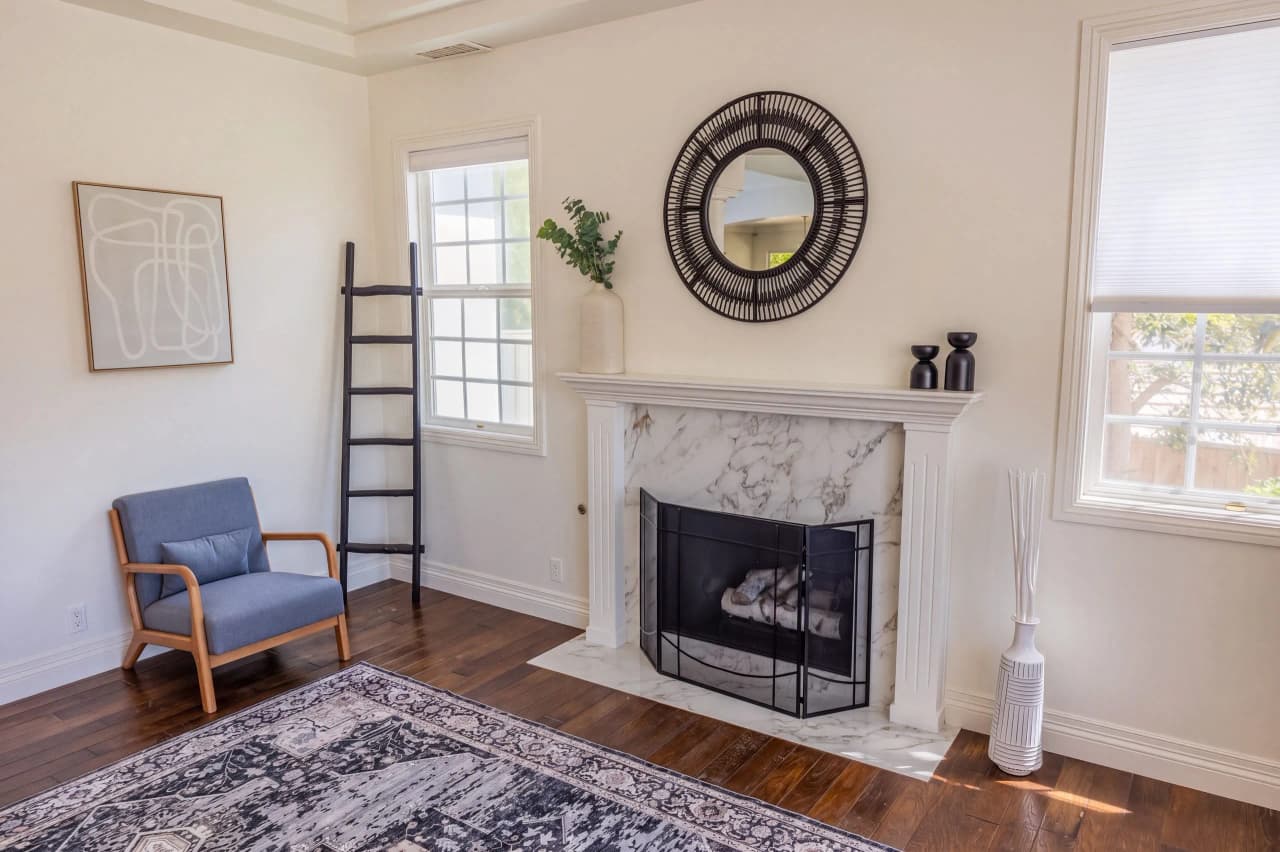
We schedule one small action, like a walk or sitting down for a meal, and practice it with your teen until getting out of bed is no longer the hardest part of the day.
02
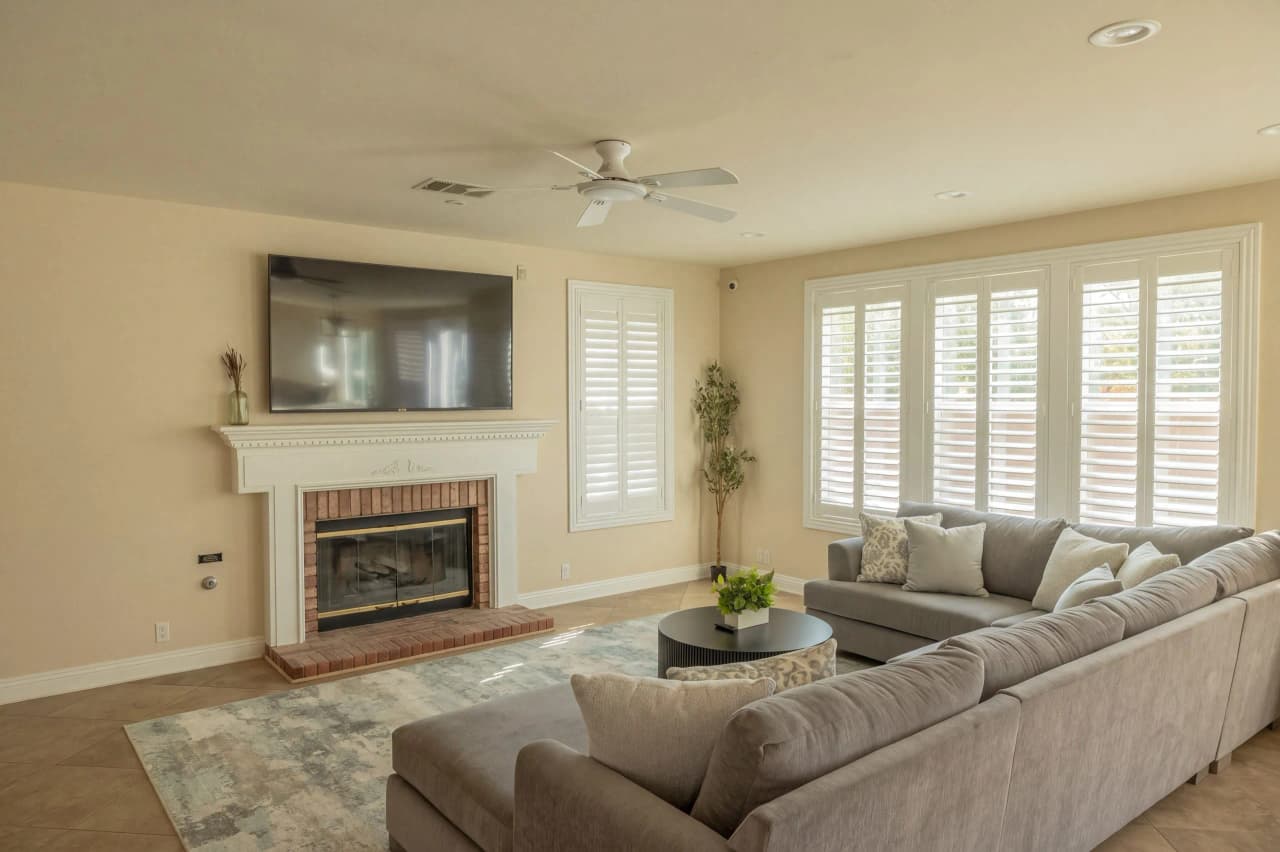
Parents learn how to invite without dragging, and how to stop reorganizing the whole household around a teenager who is having trouble coming out of their room.
03
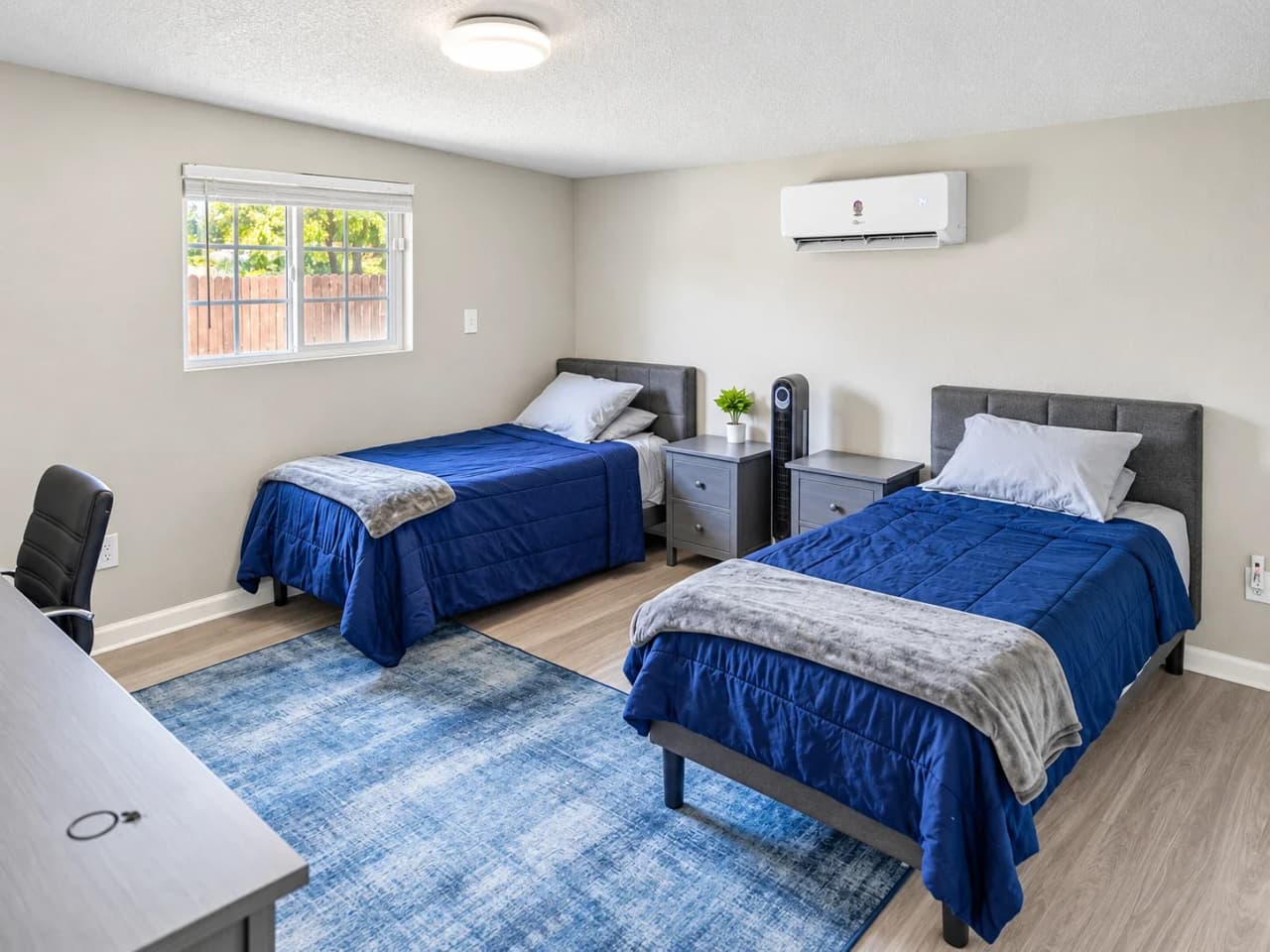
A set wake time, real meals, and staff in the house all day give your teen a steady schedule to follow. Our staff gently keep your teen from spending the stay alone in a room.
Shasta is our girls' house in Orange County, with six beds for teens ages 12 to 17. It has a pool and a patio, and staff are in the house overnight.
You can also walk through Ridgeview and Richards, our other two houses.
Our approach
Mood often follows action more reliably than it follows encouragement. We pick a next step small enough that your teen can actually do it.
Mood often improves after action more reliably than after encouragement. We add one small step at a time instead of lecturing your teen about trying harder.
CBT names the belief that nothing will ever change, tests it against what actually happens that day, and picks a next step small enough to attempt.
DBT skills are for the hour when low mood turns into anger or an urge to self-harm, and going back to bed feels like the only move your teen has.
Being in a room with other teens who feel the same way lets your teen be honest without pretending to be okay, which isolation rarely allows.
Medication can lift the mood enough that behavioral activation becomes possible for some teens. We consult psychiatry, and we do not lead with a prescription.
Your part
When your teen is having trouble coming out of their room, the whole house can start to revolve around that. Family therapy here gives you a clearer way to ask and a limit you can hold, in place of a pep talk that turns into another argument.
Just get up.
Forcing your teen out can become one more failure for both of you. We teach you how to ask, how long to wait, and what to do when the answer is still no.
Leave them until they want to.
Waiting for motivation to return can let the depression set the schedule. Family sessions help you decide when to knock, when to hold firm, and when to stop negotiating.
Motivation will come back first.
The bedroom door, meals, and Sunday night each get a written plan here, so the first weekend home does not depend on energy your teen does not have yet.
Academics
Depression has often already cost your teen class time by the time families call. School runs on site every weekday, so getting up for first period is something we practice together instead of waiting for it.
Classes Matched To Your Teen
Classes run through Advantages School, our accredited school partner. We use your teen's transcript and current schedule to place them in the right courses, helping protect their credits while we rebuild a morning they can manage.
Optional Tutoring On The Hard Mornings
We do not wait for motivation before first period. Optional tutoring sits right next to the first small action of the day.
Practicing The Morning Routine
The locker, the walk in, and the first class all get rehearsed before discharge, so the first day back is a routine your teen has already practiced.
Please send your teen's transcript, current schedule, and any IEP or 504 plan.
Length of stay
30
days in residence, by progress
Most stays run 60 to 90 days. Some finish closer to 30, and a few need longer.
90
Milder low mood may belong in weekly therapy. Residential treatment for teen depression can fit when low mood has already cost your teen school, sleep, and hope. A 30 to 90 day stay gives behavioral activation enough repetition to become a habit rather than a good week.
When to call
If depression is costing your teen school, sleep, or friendships, or if they say everyone would be better off without them, please call us. If someone is in immediate danger, call 988 or 911 first. Aaron Earnest and the admissions team will be upfront about whether this level of care fits a 12 to 17 year old. If talk of not wanting to be here happens nightly, our page on teen suicidal ideation treatment may be the better place to start.
Inpatient treatment is a short hospital stay for immediate safety. Residential treatment is a live-in program that runs for weeks, with therapy and school in the same day.
Teen depression usually fits residential care when low mood has already cost school, sleep, and hope, and weekly sessions have not turned it around.
Reach out when low mood lasts most days for two weeks or longer, or when it is costing your teen school, friendships, or sleep.
Call right away if your teen says everyone would be better off without them. Waiting for the mood to lift on its own can let school and friendships slip further.
Small, steady invitations help more than pushing, such as one shared meal or a short walk at the same time each day.
Encouragement alone is not always enough. Family members learn what to say and what to skip in family therapy, which happens every week during a stay here.
That decision belongs to a psychiatrist who knows your teen's history, and the answer can change as treatment goes.
Medication can lift the mood enough for behavioral activation to work for some teens. We consult psychiatry when the team recommends it, and we do not lead with a prescription.
Teen residential treatment can help when weekly therapy and outpatient programs have not been enough, because coping skills get practiced all day rather than for one hour a week.
We do not publish success rates or promise results. Progress is reviewed with you during the stay, and discharge is planned around it rather than a set date.
The day runs on a set schedule, with school in the morning, therapy around midday, and recreation in the afternoon. Meals happen together, and your teen is expected at the table.
Staff are awake overnight, and family therapy happens every week, so you learn the same coping skills your teen is practicing.
Before you call
FAQ
Answers to what parents often ask before calling about residential care for depression. If your question is not here, admissions can talk it through with you.
Most stays run 60 to 90 days, and some finish closer to 30 while a few need longer. We may extend the stay when your teen is still spending most of the day alone.
Your teen follows a set wake time, real meals, and one small action at a time, like a walk or sitting down for a meal. CBT, DBT skills, group therapy, and school on site fill out the rest of the day.
Family therapy helps you learn how to invite your teen without dragging them, and when to knock or hold firm. Together we write a plan for the bedroom door, meals, and Sunday night before the first weekend home.
Medication can lift the mood enough that behavioral activation becomes possible for some teens. We consult psychiatry when the team recommends it, and we do not lead with a prescription.
We assess for this on day one and every day after, and we take it seriously. If someone is in immediate danger, please call 988 or 911 first. If talk of not wanting to be here happens nightly, our page on teen suicidal ideation treatment may be the better place to start.
This page is reviewed by Alejandro Alva, M.D., our Medical Director. These free guides from public health agencies and medical groups cover the topic in more depth.
National Institute of Mental Health
Teen Depression: More Than Just Moodiness (opens in a new tab)
American Academy of Child and Adolescent Psychiatry
National Institute of Mental Health