

01
In Sessions
DBT skills get used in the actual hour something sets your teen off. Individual therapy explores what sits underneath the swings, without forcing a label onto it.
ADHD, trauma, and bipolar disorder can all look alike in a hard week. We teach DBT skills in the moment while the clinical picture becomes clearer, and we take our time before attaching a diagnosis, giving your family room to understand what is happening.


What this is
A hard week is ordinary adolescence. Treatment can fit here when mood swings do not lift, a crash follows every high, or the anger has your family worried. ADHD, trauma, and bipolar disorder can all look the same at first. We stabilize your teen first, and we do not attach a name to something that is still changing.
Signs a mood problem needs treatment
A small refusal can turn into a blowup, and the crash afterward is as fast as the anger was. Your family may start treading carefully around every request.
This is not one bad afternoon. It is a teenager who stays on edge and snaps at everything for weeks at a stretch.
Withdrawal and thoughts like "I ruin everything" often follow the explosion. The low afterward is part of the same pattern, not a separate problem.
Suspensions, a teacher who has run out of ideas, or a classroom your teen refuses to enter often mean the mood has cost them the year.
Nights and meals can become another battleground, because the body is often running on the same instability as everything else.
You may find yourself reading their mood before you speak, cancelling plans, and organizing the family around the next explosion.
Daily life
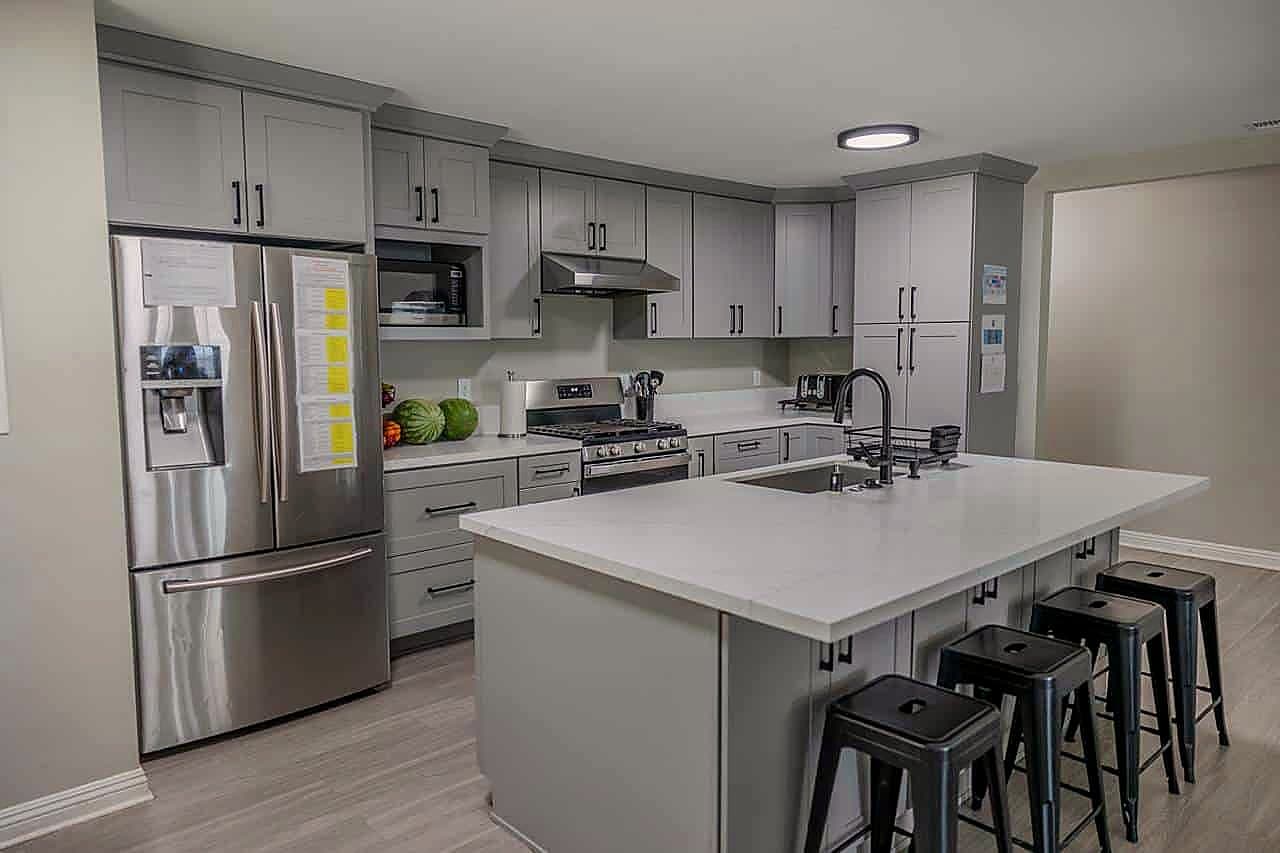
DBT skills in the moment your teen is upset, a dinner table where a calm no can hold, and daily life in a house that practices the pause together.
01
DBT skills get used in the actual hour something sets your teen off. Individual therapy explores what sits underneath the swings, without forcing a label onto it.
02
Parents learn how to acknowledge a feeling without giving in, and how to hold a no without it becoming a fight. Avoiding conflict keeps tonight calm but can teach the outbursts that they work.

03
Our staff coach your teen through the pause while they are still upset, not hours later. A predictable daily routine means fewer things set them off.
Our approach
We begin with DBT skills, then take careful time to assess across weeks, with no rush to call it bipolar disorder, ADHD, or trauma.
Emotion regulation gets practiced in the moment your teen spikes, and not days later in a quiet office where everything is calm.
We observe mood, sleep, trauma history, attention, and family patterns before settling on a diagnosis, because the same week can fit three different labels.
The thought that turns a small slight into a disaster gets named and tested. Then a next step small enough to try takes the place of the loop.
Group therapy with peers who have similar swings lets your teen practice coming back after losing their temper, since the shame afterward can fuel the next outburst.
Medication can help when skills alone are not enough to steady the mood. We consult psychiatry, and we do not lead with a prescription.
Your part
An unstable mood can leave the whole house waiting for the next blowup. Family therapy teaches you how to say no and how to repair afterward, rather than keeping the peace by giving in every time.
Walk on eggshells.
Softening every no keeps tonight quiet and can teach your teen that an outburst works. We teach the alternative with you in the room.
Pick a diagnosis already.
ADHD, trauma, and bipolar disorder can look identical on any given Thursday. Family sessions observe the pattern together instead of forcing a name early.
This is just teen moodiness.
The refusal, the car ride, and Sunday night each get a written plan here, so the first weekend home is not the first test of any of it.
Academics
A diagnosis takes time, and school does not pause while it gets settled. Accredited classes run here throughout the stay, whatever we eventually call it.
Classes Continue Through The Swings
Classes run through Advantages School, our accredited school partner. We use your teen's transcript and current schedule to place them in the right courses, so credits keep accumulating while we work out what is going on.
Optional Tutoring For Steadier Mornings
Optional tutoring runs alongside the clinical day. We do not wait for a settled diagnosis before first period.
Practicing Repair At School
We rehearse the hallway, being told no by a teacher, and coming back after losing their temper. That practice helps your teen feel prepared to go back.
Please send your teen's transcript, current schedule, and any IEP or 504 plan.
Length of stay
30
days in residence, by progress
Most stays run 60 to 90 days. Some finish closer to 30, and a few need longer.
90
A hard month may belong in weekly therapy. Residential treatment can fit when the mood has cost your teen school, their safety, or your family a weekend you could plan. A 30 to 90 day stay keeps things steady while the treatment plan and the diagnosis become clear.
When to call
If your teen's mood is costing them school, their safety, or your family a weekend you can plan, we're here to help. Aaron Earnest and the admissions team will be upfront about whether this level of care fits a 12 to 17 year old. They will also tell you if bipolar, trauma, or ADHD treatment describes the situation better.
Before you call
FAQ
Answers to what parents often ask before calling about care for teen mood disorders. If your question is not here, admissions can talk it through with you.
ADHD, trauma, and bipolar disorder can all look alike in a hard week. We observe mood, sleep, trauma history, attention, and family patterns across weeks before settling on a diagnosis.
Most teens are here 30 to 90 days while the picture becomes clear, and most stays run 60 to 90 days. We may keep your teen longer if the swings are still shaping life at home.
Staff coach your teen through DBT skills in the moment they get upset, not hours later. Individual therapy, CBT, group therapy, and school on site happen within a predictable daily routine.
Family therapy teaches you how to acknowledge a feeling and still hold a no without it becoming a fight. You also learn how to repair afterward, and we write a plan for the first weekend home.
Aaron Earnest and the admissions team will be upfront about whether this level of care fits a 12 to 17 year old. They will also tell you if bipolar, trauma, or ADHD treatment describes the situation better.