
01
On Video
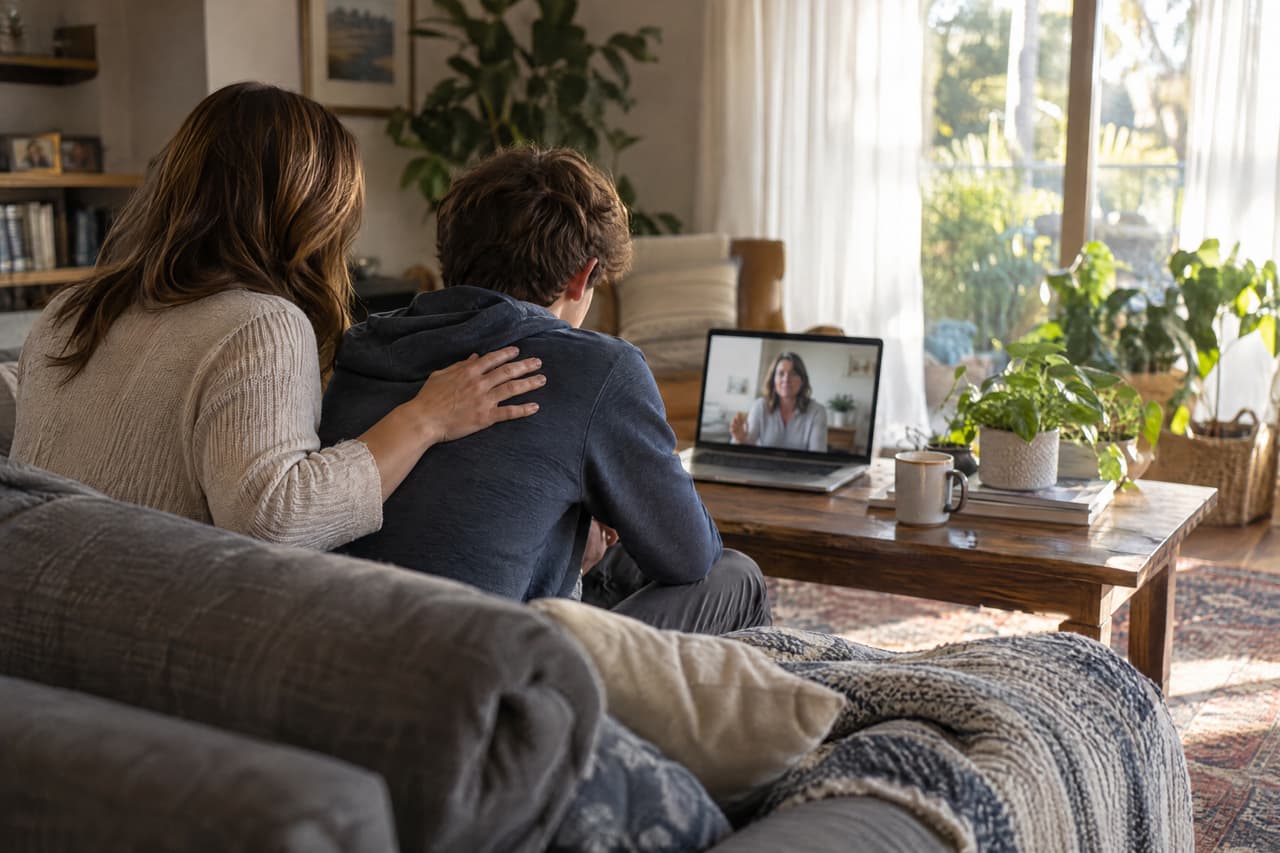
Group, individual, and family sessions run over a secure connection with cameras on. The schedule is intensive, and sessions are live therapy with a clinician rather than a webinar.
Your teen joins evening sessions over a secure video connection and then sleeps in their own bed. This program is for families too far from our campus to drive in, and for teens stepping down after a stay here.
Clinically reviewed by Alejandro Alva, M.D., Medical Director.


What this is
Your teen takes part in nine to twelve hours a week of group, individual, and family therapy over a secure connection. Sessions run on school-night evenings, after your teen's own school day ends. Many families use it as a step down after a stay in our Southern California houses, or as a first intensive option when distance makes in-person treatment impossible. If nights at home are not safe, virtual IOP is not the right level of care, and we will tell you so.
When this fits, and when it does not
You may live hours from the campus, and a week of in-person evenings may not be realistic. The same clinical team can run the program with your family from your own kitchen instead.
Residential care builds a foundation, and the next months are practice at home with clinicians who already know your teen, instead of a new clinic starting over.
You feel able to go to sleep at night, and a parent can be in the house during evening sessions. If the middle of the night is still the hardest time, ask us about residential care.
Your teen goes through the day at their own school, and sessions start afterward. We do not enroll virtual IOP teens in our on-site school.
One session a week may already have been tried while things kept slipping. Your teen may need a full team and a steady schedule rather than longer gaps between appointments.
If the week becomes hard to manage on video, Aaron Earnest and the admissions team will recommend residential care. We do not keep a teen in a level of care that is not working.
Weekly life
Sessions happen on video from home, and our residential houses are the step before virtual IOP or the step up from it.
01
Group, individual, and family sessions run over a secure connection with cameras on. The schedule is intensive, and sessions are live therapy with a clinician rather than a webinar.
02
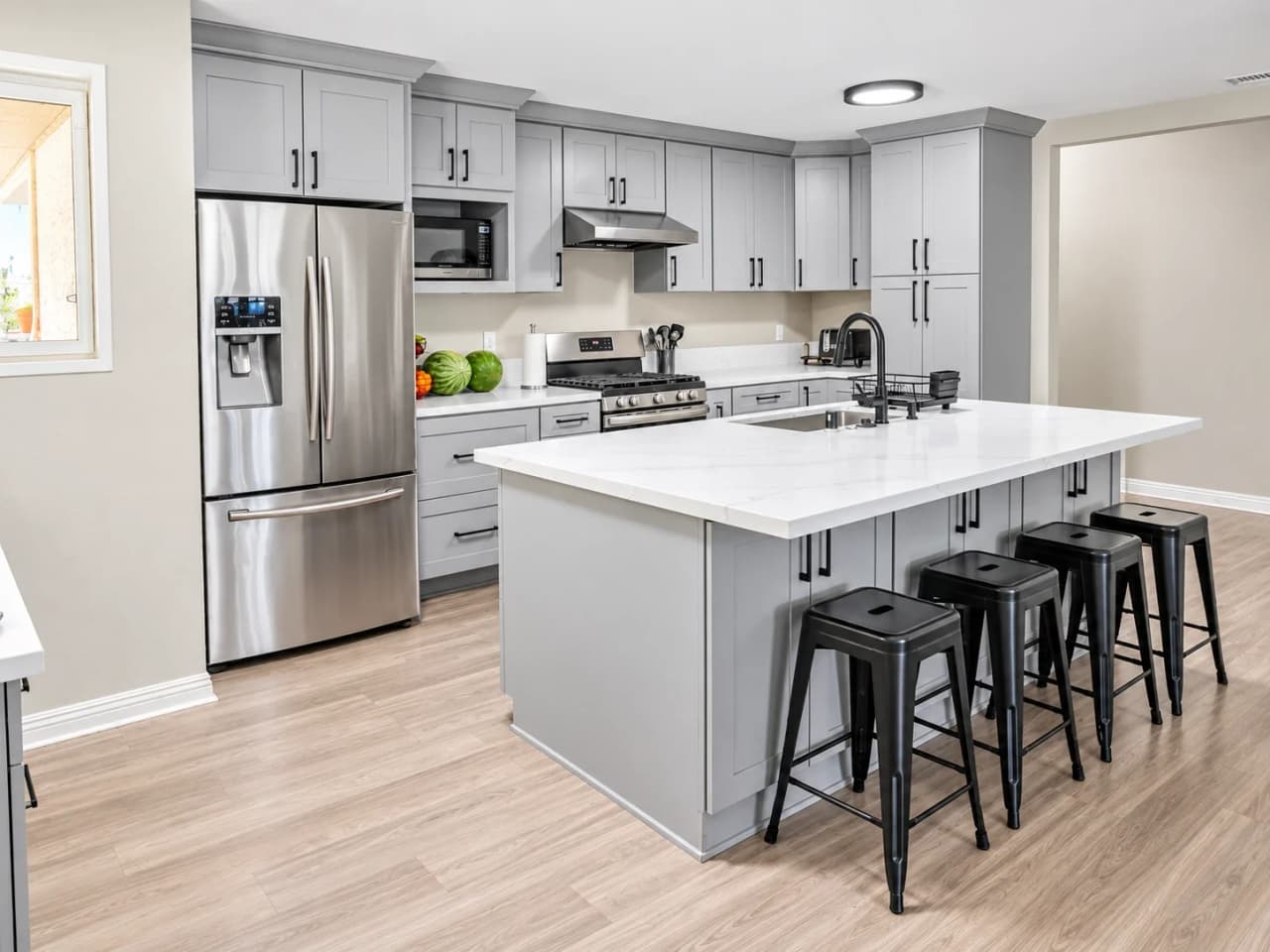
Teens who finish a residential stay in one of our houses can step down to virtual IOP. Treatment then continues on video with our team once they move home.
03
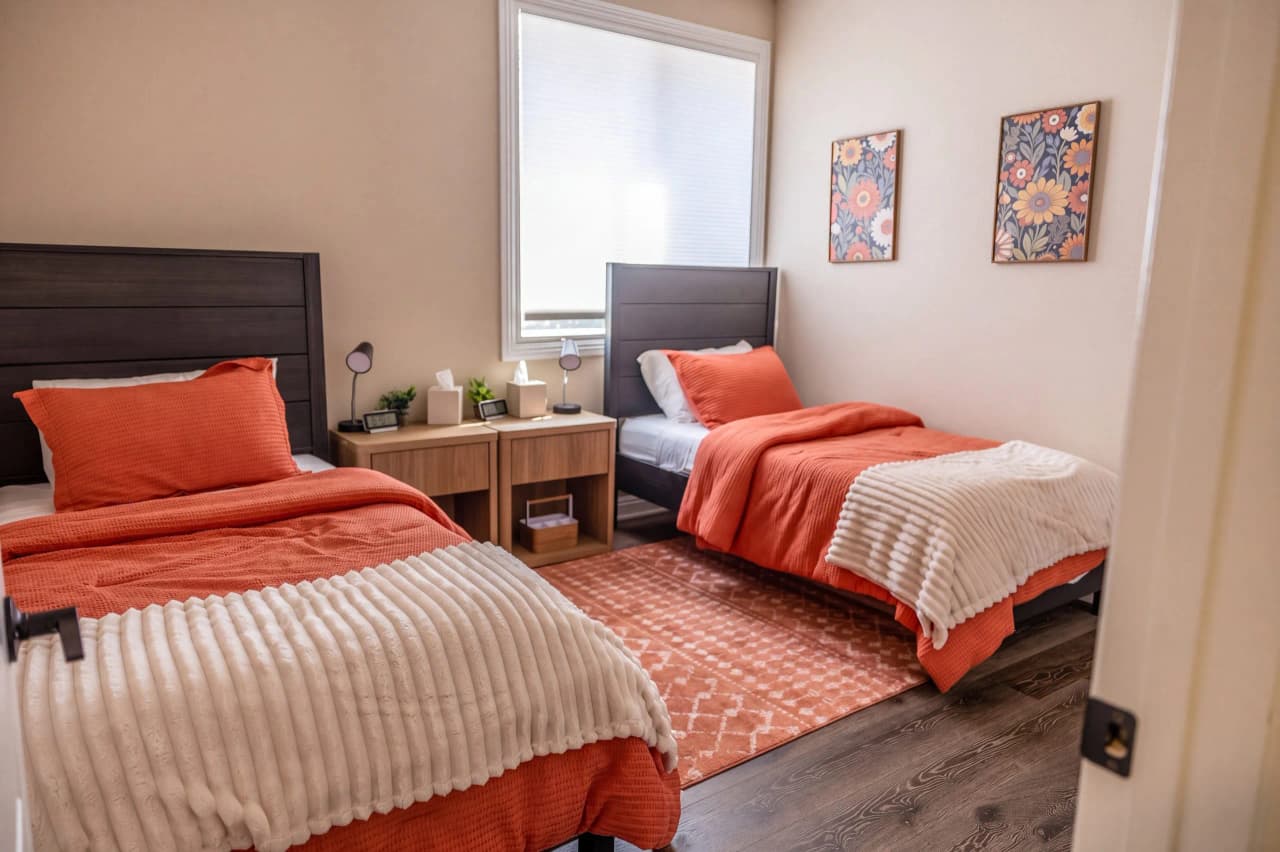
If evenings at home are not safe yet, a residential stay in one of our houses is the higher level of care. Admissions will tell you which level fits your teen.
Our approach
Built for families who cannot drive in, or for teens who already completed a stay here. It is not a scaled-back copy of our in-person program.
Small groups of teens the same age meet with a clinician who runs the session. Cameras stay on, because being fully present helps group therapy work.
Thought work, skills training, and family therapy stay in the mix at fewer hours per week. The approach is not scaled back just because sessions are remote.
Sessions run after the school day to help protect your teen's credits and their place in class. Treatment does not have to cost them the year.
The bedroom, the phone, and Sunday go into the same weekly plan. If the plan is not working, we talk with you about the next level of care rather than adding another video hour.
If the nights become hard again, we do not stretch a remote program. Residential care on this campus is the other option, and we will talk it through with you.
Your part
A remote program has no overnight staff, so a parent needs to be in the house during evening sessions. Family work is scheduled each week because your home is the treatment setting.
They logged in, so we are covered.
An adult stays in the house while your teen is in group. Your teen gets privacy for the session, and you stay present in the home. Both are part of the plan.
The screen hour is their business.
The patterns at home belong to the whole family, and no camera can supervise the house after a session ends. Joining the family sessions lets you work on them together, which a teen-only video call cannot do.
They can do group from under the covers.
A private room, a door that closes, a charged device, and a reliable connection all need to be set up before week one. We walk through the setup with you.
Once group ends, the night takes care of itself.
Our staff do not cover the house after a session, so phone use, bedtime, and Sunday evenings are written into a plan with you. We review together whether that plan is holding.
Academics
Virtual IOP runs in the evenings, alongside the school your teen already attends. It does not move your teen into our classrooms.
Their Own Campus
Your teen stays enrolled and attends their own school. We contact counselors only when the treatment plan needs the school involved.
Sessions After The School Day
Groups run on school nights, after your teen has finished the school day. Homework still needs to fit, so we plan the schedule with that in mind.
Working With Their Existing IEP Or 504
Please send your teen's current schedule and any plan they already have. We work with that plan and do not create a parallel one.
Please send your teen's current school schedule and any IEP or 504 plan they already have.
Length of stay
8
weeks of evening sessions, by progress
Most remote courses run eight to twelve weeks, depending on whether evenings and nights are genuinely holding.
12
A typical course runs eight to twelve weeks. It may run longer when your teen is stepping down from residential care and shorter when the goal is narrow. Nine to twelve hours a week happen on school-night evenings, and your teen sleeps at home. We do not set an end date before the work is done, and we do not stretch a remote program that is not working.
When to call
If your teen is leaving our houses and needs a next step, or distance makes in-person treatment impossible, we're here to help. Aaron Earnest and the admissions team will help you work out which option fits. If you can still drive to our campus after school, our outpatient page may be the better fit. They will also tell you if nights at home are not safe enough for virtual IOP.
A virtual intensive outpatient program (IOP) is several hours of live therapy a week over video while your teen lives at home and attends school.
Ours runs nine to twelve hours a week of group, individual, and family therapy on school-night evenings for teens ages 12 to 17 in California.
Virtual IOP fits when weekly therapy is not enough but nights at home feel safe and a parent can be in the house during sessions.
If the middle of the night is still the hardest time, residential care is the next level of care to discuss, and admissions will say so.
A partial hospitalization program (PHP) is a daytime program with more hours than an intensive outpatient program, and we do not offer one.
Our in-person outpatient program meets after school at our Southern California campus, and virtual IOP brings the same clinical team to your home over video.
A typical course runs eight to twelve weeks. It may run longer when your teen is stepping down from residential care and shorter when the goal is narrow.
Start with a call to admissions, who will check whether nights at home are safe enough for a remote program and verify your insurance at no cost.
Week one covers fit, technical setup, and a written plan for the evenings, so your teen's first group is not also the first test of the connection.
Once-weekly therapy can be too little when school, sleep, or safety keeps slipping between sessions. A virtual intensive outpatient program adds nine to twelve hours a week of group therapy, individual sessions, and family therapy at home.
If even that is not enough support, residential care in our Southern California houses is the next level of care. Admissions will tell you which one fits.
Before you call
FAQ
Answers to what parents often ask before calling about evening video treatment. If your question is not here, admissions can talk it through with you.
Your teen takes part in nine to twelve hours a week of group, individual, and family therapy over a secure video connection. Sessions run on school-night evenings, after your teen's own school day ends.
A typical course runs eight to twelve weeks, longer when stepping down from residential care and shorter when the goal is narrow. We do not set an end date before the work is done.
It serves teens ages 12 to 17 in California whose families are too far from our campus to drive in. It is also a step down for teens leaving a stay in our houses.
A parent needs to be in the house during evening sessions, since a remote program has no overnight staff. Your teen also needs a private room, a door that closes, a charged device, and a reliable connection.
If nights at home are not safe, virtual IOP is not the right level of care, and we will tell you so. Aaron Earnest and the admissions team will recommend residential care when the week becomes hard to manage on video.
This page is reviewed by Alejandro Alva, M.D., our Medical Director. These free guides from public health agencies and medical groups cover the topic in more depth.
MedlinePlus, National Library of Medicine
National Institute of Mental Health
American Academy of Child and Adolescent Psychiatry
Psychotherapy for Children and Adolescents: Different Types (opens in a new tab)