
01
In Group
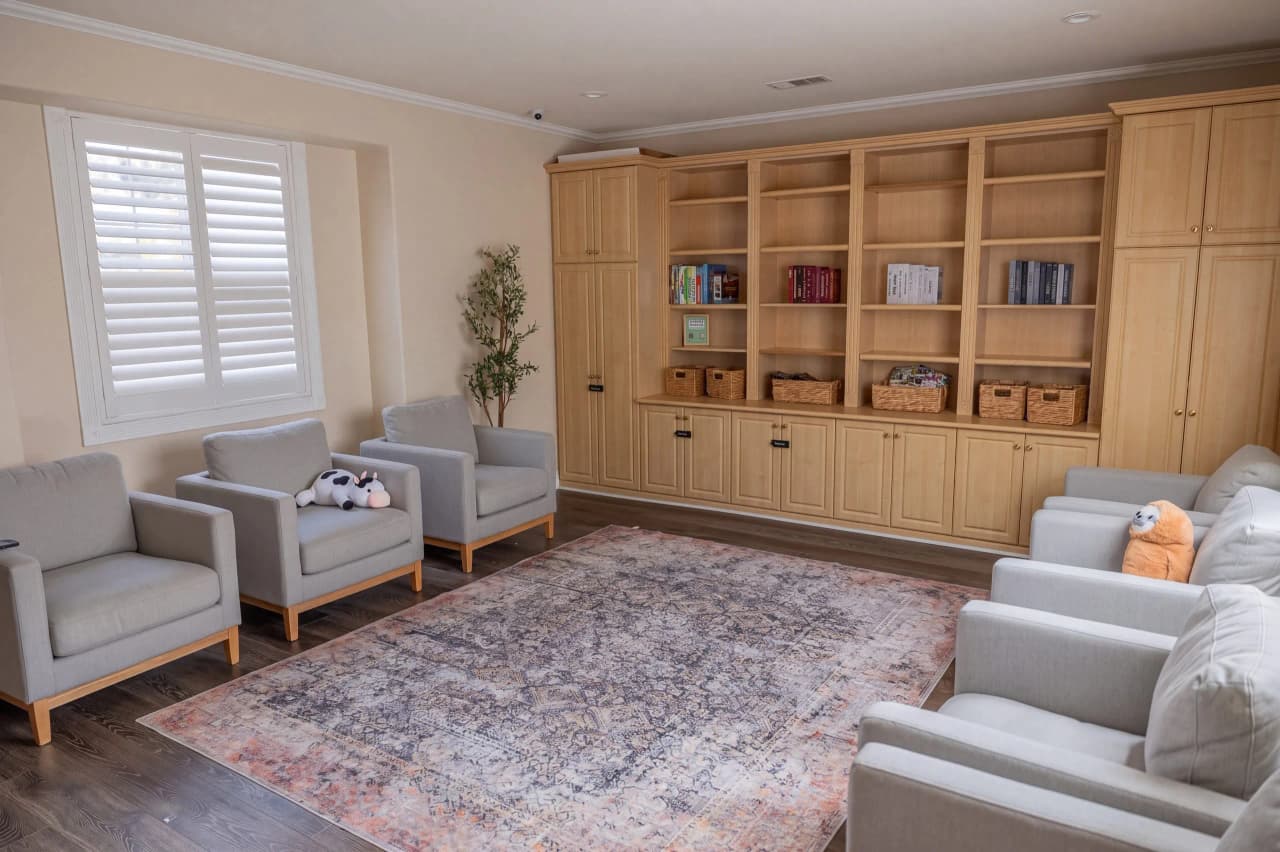
The four skill areas are taught out loud alongside peers who know the same intensity. It is practice in a live setting, not a lecture attended once a week.
A coping skill that only works in a classroom can fall apart the first time your teen is truly upset. Here, staff coach the skill while your teen is still in the middle of it, including at two in the morning.
Clinically reviewed by Alejandro Alva, M.D., Medical Director.


What this is
DBT in a residential setting means four skill areas taught in group and practiced in individual therapy, with staff coaching those same skills during a real crisis. Mindfulness, distress tolerance, emotion regulation, and interpersonal effectiveness need to work at two in the morning, not just in a Thursday class. We coach the skills in the moment, since a handout is hard to use when anger moves faster than a pause.
When a weekly skills class is not enough
A small refusal can become an explosion before anyone can remember a technique. The skill needs to work under real pressure, and a class held afterward may not be able to teach that.
Self-harm, a slammed door, or a threat can become a habitual response. Your teen needs a different option, with staff standing nearby while they try it.
A tone of voice, a parent saying no, or a friend leaving a group chat can start a conflict. Interpersonal skills can make the difference between repair and cutting someone off.
Mindfulness here means noticing anger building before it takes over the whole evening. It is a practical skill your teen can use, not an atmosphere.
After an outburst, a teen may feel that they ruin everything, and that feeling also needs a skill. Emotion regulation covers the aftermath, not just the hardest minute.
Acknowledging the feeling without giving in, and holding a limit without feeling like the villain. Families learn both halves in the same week their teen does.
Daily life
Group teaches the skills, individual therapy works on yesterday, and overnight staff prompt the skill at two in the morning.
01
The four skill areas are taught out loud alongside peers who know the same intensity. It is practice in a live setting, not a lecture attended once a week.
02
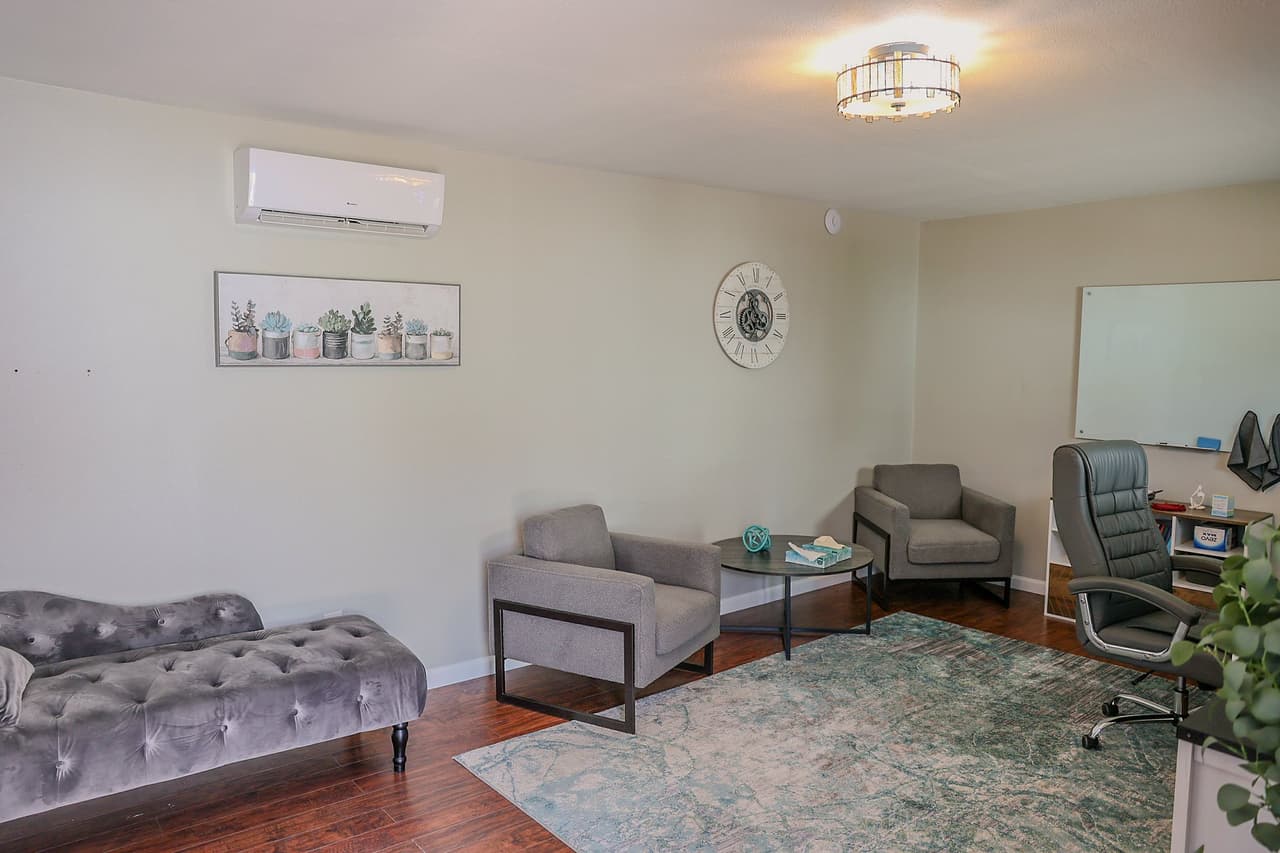
The primary therapist talks through the behavior that nearly happened yesterday, then chooses a skill for next time while the details are still fresh.
03
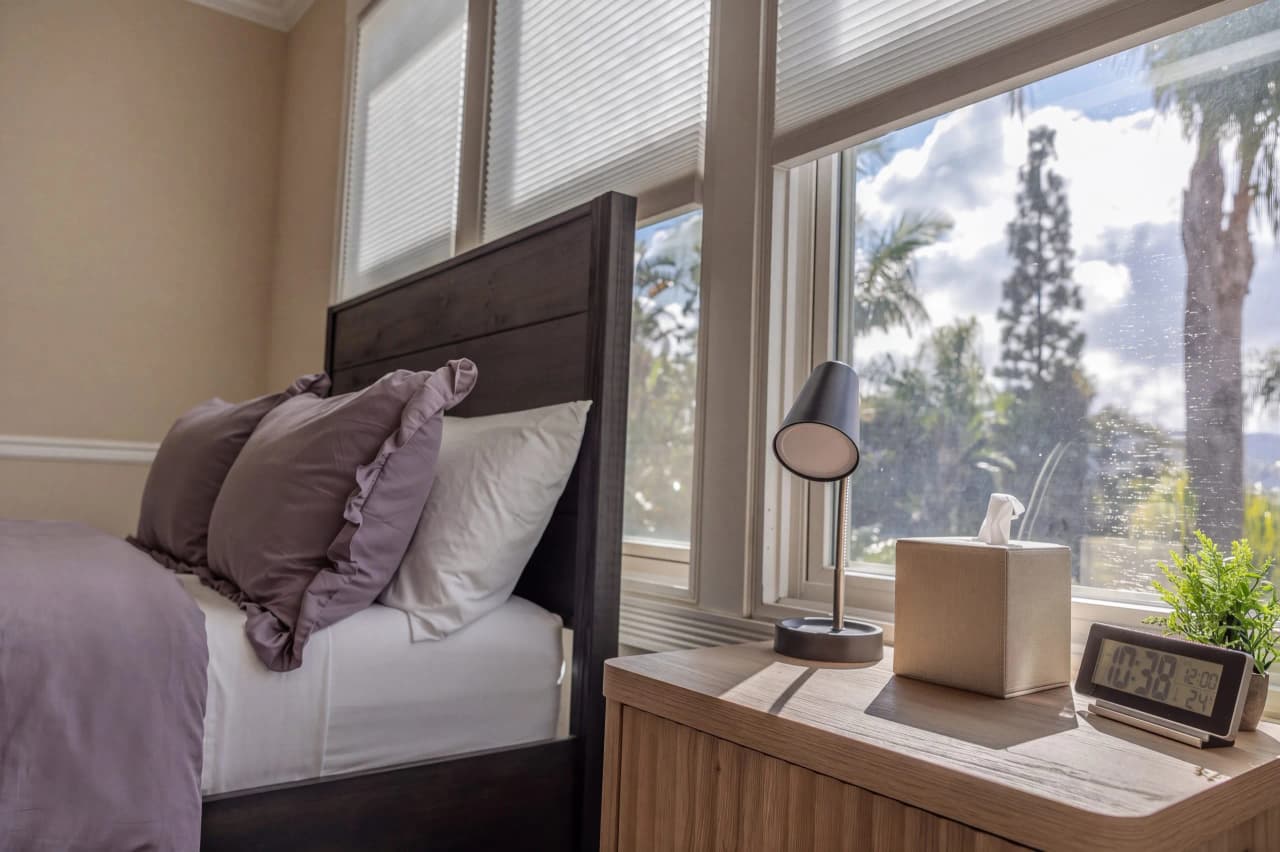
Overnight staff use the same language and prompt a skill while your teen is still upset. The plan is built around skills that hold up outside a classroom.
Our approach
Chosen because emotional intensity can outrun a weekly class, and not to list every method we know.
Mindfulness, distress tolerance, emotion regulation, and interpersonal effectiveness are practiced again and again until they start to feel natural, rather than taught once and hoped for.
A primary therapist focuses on what your teen actually did rather than the story about it. Walking back through the sequence and choosing a next skill happen in the same hour.
The hallway, the dinner table, and the phone are where skills get tested. Staff prompt a skill while the feeling is still strong enough to matter.
Acknowledge the pain and still hold the limit, in the same sentence. Doing one without the other can feed the next hard moment at home.
A mood that won't steady sometimes needs medication support alongside the skills. We consult when it helps, and the skills still lead.
Your part
A hard moment pulls in the whole household. Family sessions teach a response that takes the pain seriously without giving in to the demand, and you practice it here before the first difficult no at home.
Fix it or give in so the night ends.
Recognizing that your teen is in real pain is not the same as agreeing to what they want. We teach both halves, because one without the other can lead to a repeat.
They can learn the modules without us.
Family sessions use the same words our overnight staff use. A skill that only works when staff are present can be hard to hold onto the first Sunday at home.
We'll handle the next blowup when it comes.
The text, the closed door, and the first no all get planned before discharge, so home is not the first place you practice.
Length of stay
30
days in residence, by progress
Most stays run one to three months, depending on whether the skills hold up under pressure.
90
Skills work happens throughout the residential week as group, individual therapy, and live coaching, including overnight. Thirty to ninety days is often enough for a teen to hold onto a skill under real pressure. Discharge is planned around that progress and a next team who uses the same approach.
When to call
If your teen's emotions are shaping the household through self-harm, intense anger, or relationships that are hard to repair, we're here to help. Aaron Earnest and the admissions team will be upfront about whether a live-in program is warranted or a weekly class is still enough. If your teen is hurting themselves, our self-harm page covers that directly.
Before you call
FAQ
Answers to what parents often ask about DBT in our program. If your question is not here, admissions can talk it through with you.
DBT here means four skill areas taught in group and practiced in individual therapy. Those areas are mindfulness, distress tolerance, emotion regulation, and interpersonal effectiveness. Our staff coach those same skills during a real crisis.
Skills work runs through the week as group, individual therapy, and live coaching, including overnight. Overnight staff use the same language and prompt a skill while your teen is still upset, even at two in the morning.
DBT fits when emotions are shaping the household through self-harm, intense anger, or relationships that are hard to repair. It is for feelings that escalate before anyone can remember a technique, when a weekly class is not enough.
Family sessions use the same words our overnight staff use. You learn to recognize your teen's pain without agreeing to what they want, and to hold the limit at the same time. The text, the closed door, and the first no all get planned before discharge.
Aaron Earnest and the admissions team will be upfront about whether a live-in program is warranted or a weekly class is still enough. If your teen is hurting themselves, our self-harm page covers that directly.