

01
In Sessions
We teach your teen their own warning signs, why sleep matters medically, and what an episode actually is. Then we address the shame that often follows a high.
Sleep, energy, and speech are clinical signs we track, not house rules to argue about. We offer a home-like live-in program in Southern California for ages 12 to 17. Our team watches the pattern over weeks before anyone settles on a diagnosis, and you are involved at each step.


What this is
A week of almost no sleep and real risk-taking is different from a teenager who is simply intense. Bipolar treatment here means we track sleep, energy, speech, and history with you involved. We do not attach a lifetime diagnosis to a single hard month.
Signs of bipolar disorder in teens
Going on almost no sleep without seeming tired, or crashing into days in bed, is a medical sign to us. We treat the night as part of safety.
Rapid speech, enormous plans, irritable energy, and a teenager who cannot be interrupted can look like ADHD until the mood swings the other way.
Spending, sex, substances, or a fight out of nowhere can follow once judgment slips, and the ability to see it clearly is often the last thing to return.
Hopelessness, withdrawal, or talk of suicide after a high, especially alongside agitation, is a main reason we staff the overnight hours.
Teachers and friends may describe two completely different kids. The pattern across several weeks tells us more than any single loud afternoon.
You may find yourself tracking their sleep and their tone, cancelling plans, and living in the gap before the next shift arrives.
Daily life
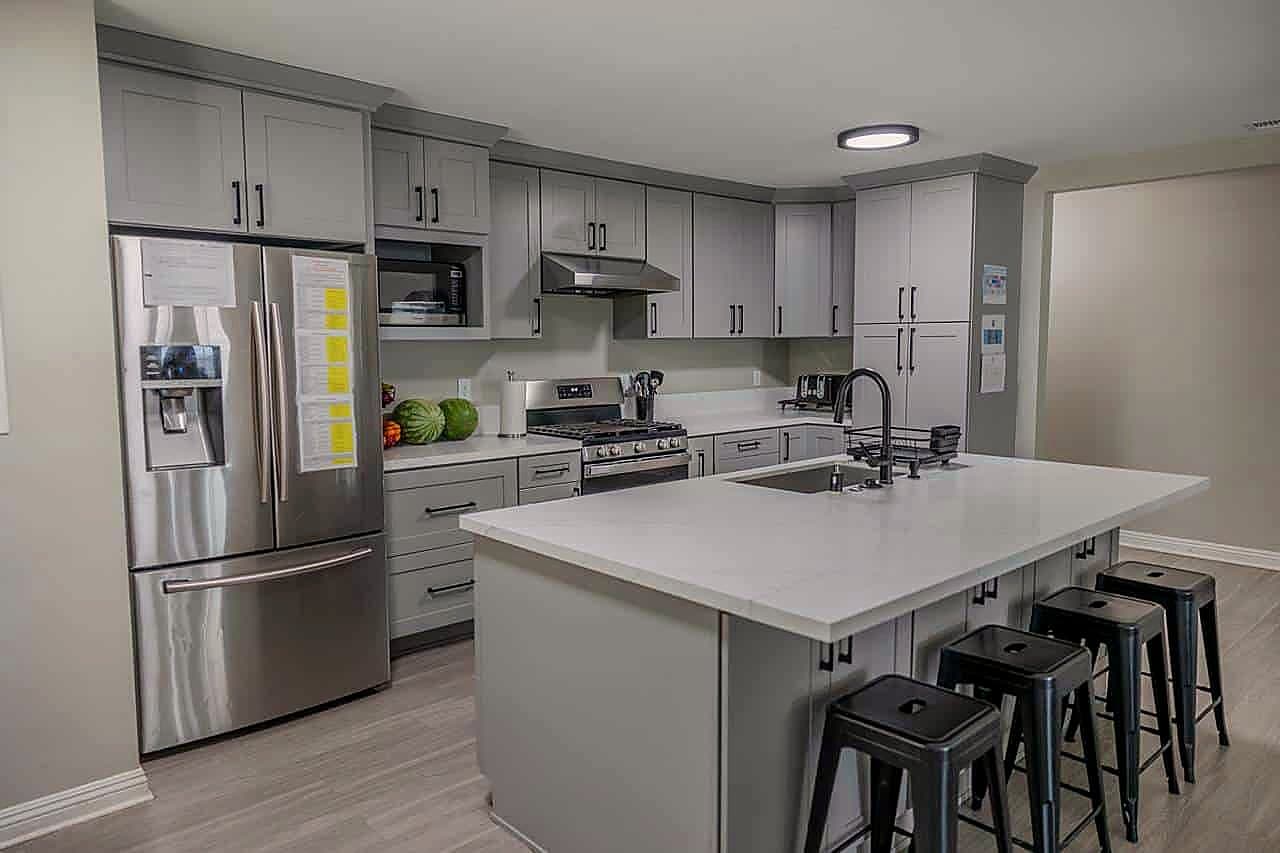
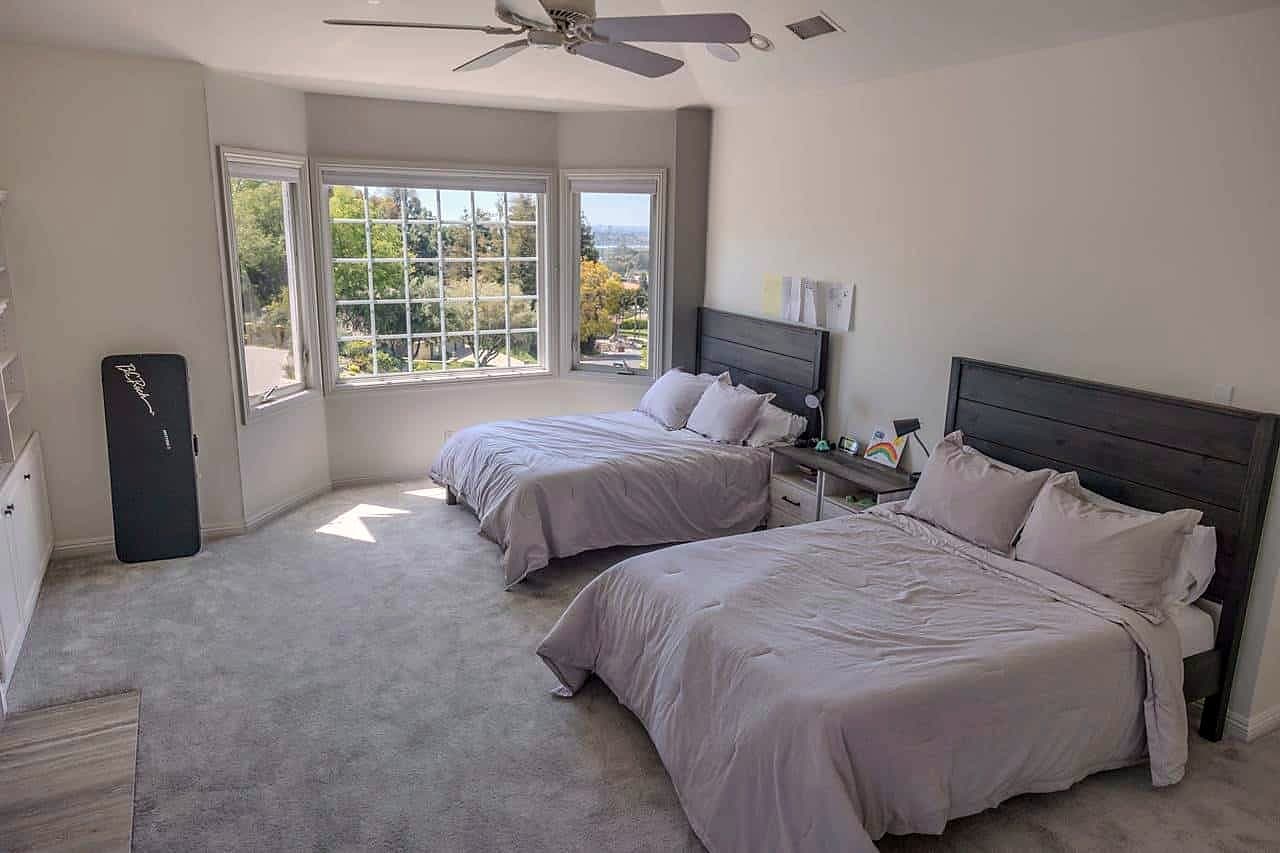
Teaching sessions, a kitchen where sleep gets tracked, and a home-like house that keeps a steady schedule whichever way the mood is going.
01
We teach your teen their own warning signs, why sleep matters medically, and what an episode actually is. Then we address the shame that often follows a high.
02
Parents learn what to watch for at one in the morning and what to say without starting a debate, because you are often the first to notice a shift.
03
Set wake times, meals, daylight, and staffed nights keep your teen's schedule steady. Protecting that rhythm is clinical treatment, and not just housekeeping.
Our approach
Protected sleep, families who learn to spot the early signs, and medication decided together when the clinical team recommends it.
Consistent sleep is part of the treatment, not a chore chart. We protect the overnight hours the same way we protect safety, because for this diagnosis the two are closely connected.
We track energy, speech, and sleep across weeks. We do not attach a lifetime diagnosis to one hard month just to have something to call it.
Your teen learns to catch the thought that says this high is a great idea, and writes down their own early signs. Relapse planning starts before they leave.
You are often the first to notice a shift. We teach you what to look for and what to say, without asking you to act as an overnight nurse.
Many teens with bipolar disorder do need medication, and that decision is made together with your family. We do not start week one with a prescription just to have a label.
Your part
Bipolar disorder can leave a household waiting for the next mood swing. You will learn about sleep, limits, and when to call us, rather than how to win an argument at two in the morning.
They're just being dramatic.
Reasoning with a racing mind rarely works. We teach sleep protection, clear limits, and when to call, instead of arguing in the dark.
Let the high burn off.
Riding out a high at home is often when risky decisions happen. Family sessions write down exactly what you do after the first missed night of sleep.
One good week means we're done.
Sleep, medication, and the first warning sign each get a written plan here, so a calm Saturday does not get mistaken for the end of the work.
Academics
An episode can pull a teen out of class for weeks before anyone names what is happening. Accredited classes continue here while we protect sleep and work toward a steadier mood, so credits keep accumulating.
Classes Matched To Your Teen
Classes run through Advantages School, our accredited school partner. We use your teen's transcript and current schedule to place them in the right courses, helping protect their credits and their place in class through a difficult stretch.
A Schedule Built Around Protected Sleep
Optional tutoring is scheduled around a protected night. We do not make a teenager prove they are ready for class after a rough morning.
A Return That Protects The Sleep Routine
We practice the first class and the first late assignment before discharge, so going back to campus feels more manageable alongside the routine we just built.
Please send your teen's transcript, current schedule, and any IEP or 504 plan.
Length of stay
30
days in residence, by progress
Most stays run 60 to 90 days. Some finish closer to 30, and a few need longer.
90
A question about bipolar disorder does not automatically mean a residential stay. This program can fit when an episode has cost your teen their safety, their sleep, or their judgment. A 30 to 90 day stay gives us time to observe properly rather than diagnosing in week one.
When to call
If sleep loss, risky behavior, or a crash has taken over your household, or you cannot tell bipolar disorder from ADHD or severe depression, we're here to help. Aaron Earnest and the admissions team will be upfront about whether this level of care fits a 12 to 17 year old. While the diagnosis is still unsettled, our teen mood disorder treatment page may describe your situation better.
Before you call
FAQ
Answers to what parents often ask before calling about care for teen bipolar disorder. If your question is not here, admissions can talk it through with you.
We track sleep, energy, and speech across weeks before anyone settles on a diagnosis. We do not attach a lifetime diagnosis to one hard month just to have something to call it.
Most stays run 60 to 90 days, and some finish closer to 30 while a few need longer. We do not discharge on a schedule if the nights are still a concern.
Many teens with bipolar disorder do need medication, and that decision is made together with your family when the team recommends it. We do not start week one with a prescription just to have a label.
You are often the first to notice a shift, so we teach you what to look for and what to say. Family sessions write down exactly what you do after the first missed night of sleep.
A question about bipolar disorder does not automatically mean a residential stay. Aaron Earnest and the admissions team will be upfront about whether this level of care fits. While the diagnosis is still unsettled, our teen mood disorder treatment page may describe your situation better.