

01
In Sessions
CBT-I sets a protected wake time, helps your teen link the bed with sleep again, and addresses the thinking that turns one bad night into a big worry. We treat sleep on its own terms rather than folding it into a general anxiety hour.
Sleep is the clinical focus here, and CBT-I gets practiced every night in our home-like house rather than handed over as a worksheet. Teens ages 12-17 in Southern California keep a protected wake time, and medication is not the plan.


What this is
Here, sleep is treated as the main clinical focus and not as a side note to anxiety work. A late night now and then is normal adolescence. Insomnia can look like a body that cannot fall asleep, or a sleep schedule so far off that school has already slipped away. Families have usually tried sleep hygiene handouts by the time they call, and this program works differently from a handout.
When sleep has taken over everything
Racing thoughts, a body that will not settle, and the phone as the only thing that helps can turn bedtime into a nightly struggle for your whole family.
Asleep at four in the morning, awake in the afternoon, and a weekend that makes Monday feel like a crisis before the week has even started.
Waking repeatedly, checking the phone, a nightmare, then hours in bed that are not restful sleep can leave your teen struggling to function by breakfast.
The bedroom can become the place where worry loops, so your teen avoids it, then cannot sleep in it, and the bed itself starts to bring on anxiety.
Irritability, missed school, nodding off in class, and a mood that can look like depression can show up when a teen's brain has not had a real night of rest in weeks.
You may wait up, screens stay on, mornings become optional, and the family's whole routine starts to run on the middle of the night.
Daily life
Therapy sessions, your family's schedule, and staffed overnight hours all treat sleep as the main focus rather than a symptom of something else.
01
CBT-I sets a protected wake time, helps your teen link the bed with sleep again, and addresses the thinking that turns one bad night into a big worry. We treat sleep on its own terms rather than folding it into a general anxiety hour.

02
Parents learn how to hold a wake time without a power struggle, and what to do about the phone after midnight. We write the plan for Friday night and Saturday morning before the schedule can slip.
03
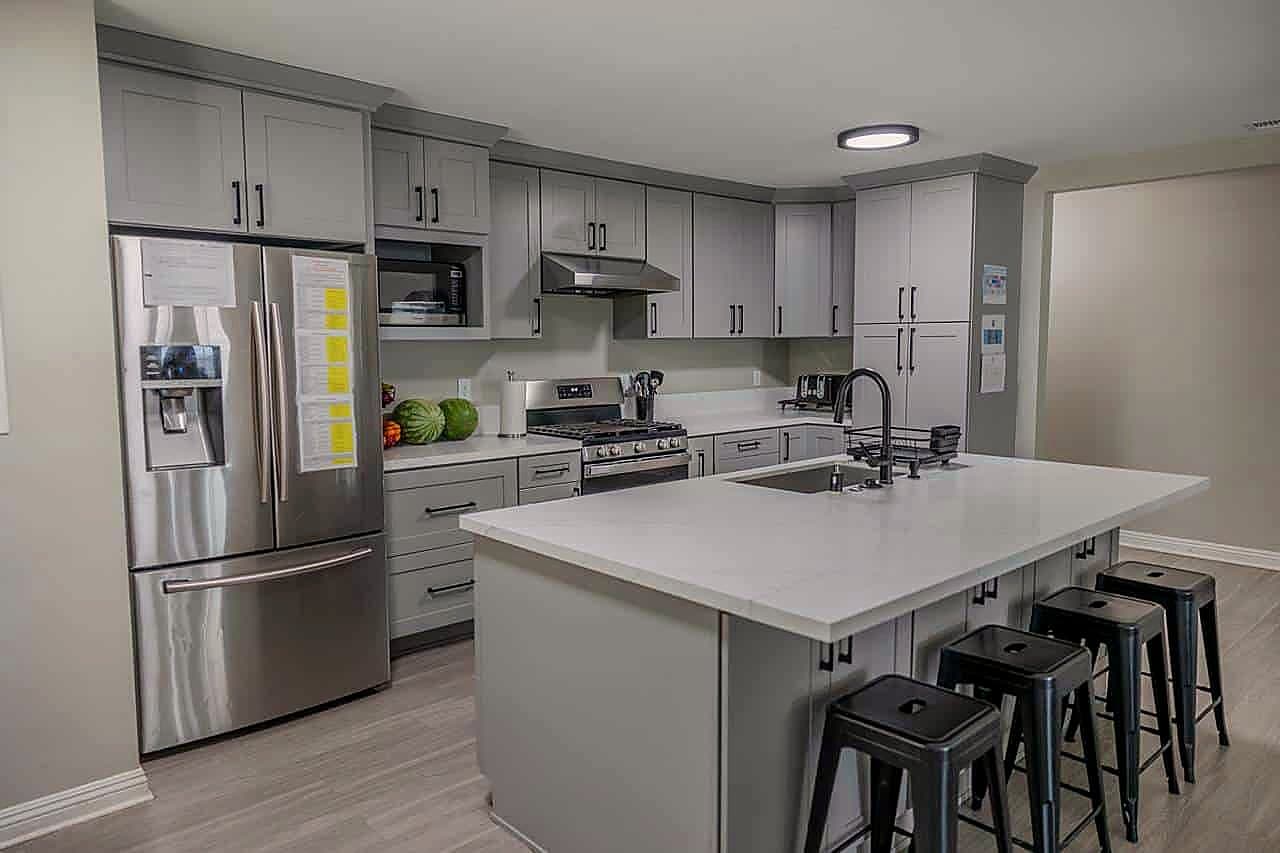
Lighting, a calm wind-down routine, and staffed overnight hours keep the whole house on a consistent schedule, because sleep is a clinical priority here.
Our approach
A fixed wake time, a bed used only for sleeping, and medication only in rare short courses, because the nights are the main focus.
Stimulus control, a fixed wake time, and work on the fear of not sleeping are practiced here nightly, which gives these skills a chance to become habits.
Rumination or unprocessed trauma often travels with insomnia, and we address that in the same plan rather than only adjusting the schedule.
A nervous system still scanning for problems at midnight needs a reliable way to settle that is not a screen, and we help your teen find one.
A consistent wake time, morning light, and staffed nights are the core of the work, because willpower alone often cannot fix a schedule this far off.
Any sleep medication is short-term and uncommon here. Behavioral sleep work leads this treatment, and a prescription does not become the plan.
Your part
Insomnia can put the whole household on the middle of the night. Family work here helps you learn a wake time you can realistically keep at home.
Let them catch up until afternoon.
Letting your teen sleep until mid-afternoon can feel like kindness, yet it often undoes the schedule we just spent a week rebuilding.
Fight about the phone at midnight.
An argument at bedtime can raise your teen's alertness. We write the rule during the day, practice it here, and send it home as a written plan.
Let Friday night undo the week.
Friday night, Saturday morning, and Sunday evening all get a written plan that is practiced here, so the schedule is protected before it can slip again.
Academics
A night that will not end can cost your teen the next morning, and absences add up. We rebuild the sleep schedule while school keeps running on site.
A First Period They Can Attend
Classes run through Advantages School, our accredited school partner. We use your teen's transcript and current schedule to place them in the right courses, so a protected wake time can make morning class possible again.
Support After A Short Night
Optional tutoring is available alongside CBT-I, giving your teen academic support. We do not cancel the day because last night went badly.
Rehearsing A Real School Morning
Before discharge, we practice an early class, the car ride, and a Sunday night that supports healthy sleep habits.
Please send your teen's transcript, current schedule, and any IEP or 504 plan so morning classes match the wake time we are protecting.
Length of stay
30
days in residence, by progress
Most stays run 60 to 90 days. Some finish closer to 30, and a few need longer.
90
A rough stretch may belong in outpatient CBT-I if your teen's day can still start. When sleep has cost your teen school and their mood, a 30 to 90 day stay can provide a schedule your household can hold. The work happens nightly, and aftercare can run for months afterward.
When to call
If sleep is costing your teen school, their mood, or your family's mornings, and sleep hygiene advice has not been enough, we're here to help. Aaron Earnest and the admissions team will be upfront about whether outpatient CBT-I is still enough. If the nights are mostly anxiety rather than a schedule problem, our residential treatment for teen anxiety page may fit better. Sleep medication stays brief and uncommon here.
Before you call
FAQ
Answers to what parents often ask before calling about sleep treatment for teens. If your question is not here, admissions can talk it through with you.
Sleep is the main clinical focus here, and CBT-I gets practiced every night rather than handed over as a worksheet. Your teen keeps a protected wake time, uses the bed only for sleeping, and works on the fear of not sleeping.
Medication is not the plan, and any sleep medication here is short-term and uncommon. Behavioral sleep work leads this treatment, and a sleeping pill is not the starting point.
Most teens finish in 30 to 90 days based on progress, and some stay longer when the schedule still slips every weekend. Aftercare includes a written weekly plan and check-ins at 30, 60, and 90 days.
Family work helps you hold a wake time without a power struggle and set the device rule during the day. Friday night, Saturday morning, and Sunday evening all get a written plan that is practiced here.
A rough stretch may belong in outpatient CBT-I if your teen's day can still start. Aaron Earnest and the admissions team will be upfront about whether outpatient CBT-I is still enough. If the nights are mostly anxiety rather than a schedule problem, our residential treatment for teen anxiety page may fit better.