
01
In Sessions
Mental health therapy and recovery skills happen in the same week, with CBT and DBT for whatever the substance use was helping your teen manage. Refusal skills are written for teens and not copied from an adult program.
Substance use is often a teen's way of coping with something difficult, and stopping it without treating that underlying concern rarely lasts. For ages 12-17, we treat both in the same week. We are not a detox hospital.
Clinically reviewed by Alejandro Alva, M.D., Medical Director.


What this is
Dual diagnosis treatment here means one team cares for both the mental health condition and the substance use that may be helping a teen cope with it. Cannabis, alcohol, or pills are often a teen's attempt to ease their own depression or anxiety. We are not a detox hospital, and if your teen needs medical withdrawal, we will let you know and help you find it.
When use and mental health overlap
Their mood, panic, or intrusive memories may only ease after they use, which is why taking the substance away without treating the cause often does not hold.
Lying, missing money, and friends you have never met can arrive together, and trust may fade at home before anyone has a diagnosis.
A night they did not come home, or a phone call from the school, is often what leads a parent to start looking at programs.
Depression, trauma, or ADHD may have come first, or the use may have come first and now a low mood is hard to shake. Both orders are common.
Grades, attendance, and a sleep schedule that only works after midnight can all fall apart at once, and it can look like one concern with two names.
Parents often ask whether it is the depression or the cannabis, and the honest answer is often that it is both.
Daily life
Therapy sessions, the kitchen table, and a substance-free house all work on what the use was doing for your teen, and not as two programs that never talk to each other.
01
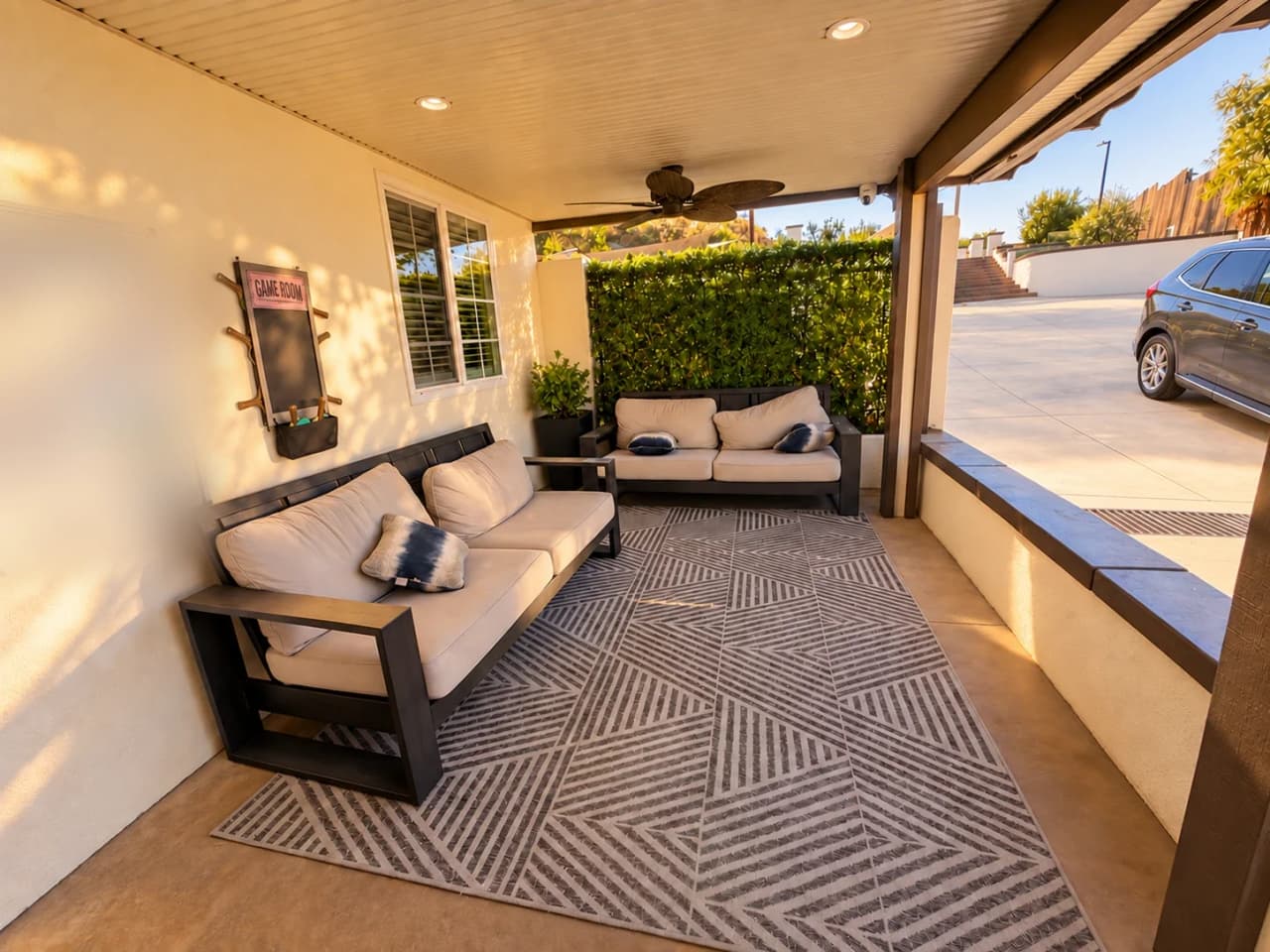
Mental health therapy and recovery skills happen in the same week, with CBT and DBT for whatever the substance use was helping your teen manage. Refusal skills are written for teens and not copied from an adult program.
02
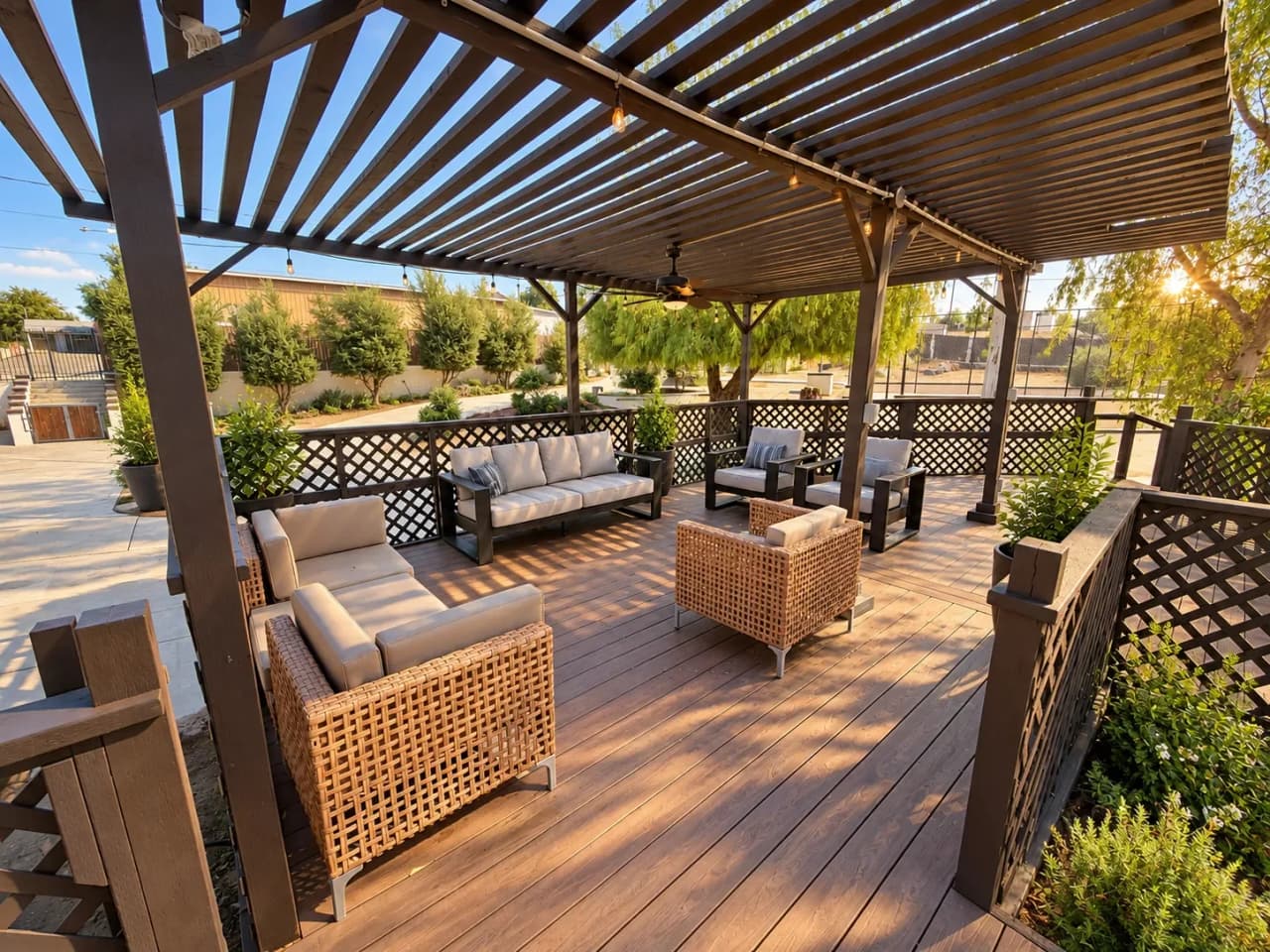
Parents learn how to set a limit calmly, and how to stop enabling without shutting their teen out. We also plan for what to do when an old friend texts during the first visit home, so your family feels ready.
03
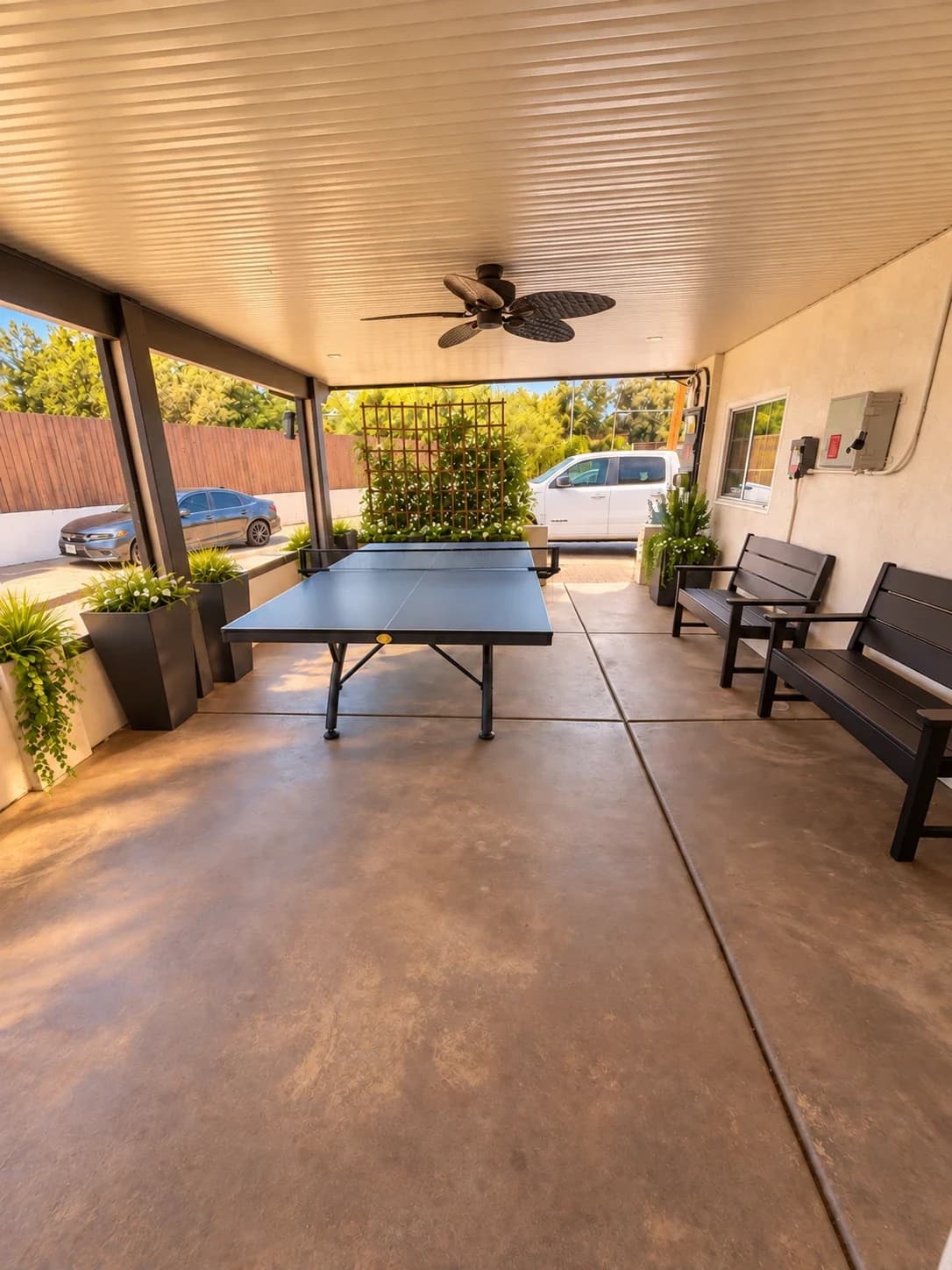
A substance-free house and staffed overnight hours are built around the fact that cravings can happen, and we do not allow isolation, so your teen is not left to cope alone.
Richards is our boys' house in Riverside County, with six beds for teens ages 12 to 17. It is a single-story house with a pool, a patio, and a basketball court, staffed overnight like our other two houses.
You can also walk through Ridgeview and Shasta, our other two houses.
Our approach
Recovery skills written for teens, mental health treatment, and a family plan are all built for your teen and not borrowed from an adult program.
Therapists, recovery staff, and psychiatry all work from the same treatment plan, and we do not treat one condition now and save the other for later.
Panic, shame, or intense emotions are often what the substance use was easing, so the skills address both the craving and the feeling.
Your teen practices spotting triggers, refusing an offer, and planning the weekend here, in a way built for teens and not in an adult meeting.
Rebuilding trust, holding limits, and knowing what to do when your teen comes home are skills your family practices here. A promise on its own is not a relapse plan.
When depression or ADHD is part of the picture, medication support is often helpful. We are not a medical detox, and we do not try to treat substance use with a prescription alone.
Your part
Substance use can make home feel like constant checking. Family work here helps you write a boundary you can keep.
Search the room every night.
Searching without a plan often leads to more conflict. We write down the boundary, the consequence, and how you repair afterward, then practice all three together here.
Leave the trust rebuild to texts.
Family therapy is where honesty gets practiced. Trust rarely comes back through text messages while everyone avoids the same room, so we bring your family together in person.
Decide the first weekend after they walk in.
A written plan for the old friend, the evening, and Sunday is practiced before discharge, so you are not figuring it out in the moment.
Academics
When substance use and mental health challenges happen together, a semester has often already been missed. We treat both while accredited classes keep running on site.
Classes Matched To Your Teen
Classes run through Advantages School, our accredited school partner. We use your teen's transcript and current schedule to place them in the right courses, so credits keep building while mental health treatment and recovery work share the same day.
Optional Tutoring
Tutoring is optional and runs alongside the clinical day, and we do not wait for a perfect week before your teen attends their first class.
Preparing For The Return To Campus
Before discharge, we rehearse the locker, the parking lot, and the first class, including what to do if someone offers your teen something.
Please send their transcript, current schedule, and any IEP or 504 plan, so school and treatment can work together for your teen.
Length of stay
30
days in residence, by progress
Most stays run 60 to 90 days. Some finish closer to 30, and a few need longer.
90
When substance use and mental health challenges are both affecting daily life, a 30 to 90 day stay treats them together. If your teen needs medical withdrawal first, we will say so and help you find that care. Discharge is planned once there is a next treatment team that can support both at once.
When to call
If substance use and mental health concerns are happening at once, or you cannot tell which one is driving, we're here to help. Aaron Earnest and the admissions team will tell you whether we can treat it here, and they will let you know if medical withdrawal needs to come first. Depression and trauma are often part of the same picture. We will not stretch a stay that is the wrong fit.
Dual diagnosis means a teen has a mental health condition and a substance use disorder at the same time. Common examples are depression with cannabis use, or anxiety with drinking.
These co-occurring disorders often feed each other, and either one can come first.
Many teens use cannabis, alcohol, or pills to ease panic, low mood, or intrusive memories, which is a form of self-medication.
Taking the substance away without treating the underlying mental health condition often does not hold, which is why both are treated together.
One team treats both concerns in the same week, with cognitive behavioral therapy, dialectical behavior therapy, group therapy, and recovery skills written for teens.
Psychiatry and medication management are available when depression or ADHD is part of the picture. We are not a medical detox, and admissions will say so if your teen needs withdrawal care first.
Parents learn how to set a limit calmly and how to stop enabling without shutting their teen out.
A written plan for the old friend, the evening, and Sunday is practiced before discharge, and we check in at 30, 60, and 90 days afterward.
Before you call
FAQ
Answers to what parents often ask before calling about teen dual diagnosis care. If your question is not here, admissions can talk it through with you.
We are not a detox hospital, and if your teen needs medical withdrawal, we will let you know and help you find it. Aaron Earnest and the admissions team will tell you whether we can treat it here.
Parents often ask this, and the honest answer is often that it is both. One team treats the mental health condition and the substance use in the same week, from the same treatment plan.
Most stays run 60 to 90 days, and some finish closer to 30 while a few need longer. Discharge is planned once there is a next treatment team that can support both concerns at once.
Family therapy is where honesty gets practiced, so we bring your family together in person instead of relying on texts. We also write down a boundary, a consequence, and how you repair afterward, then practice all three.
When depression or ADHD is part of the picture, medication support is often helpful. We consult psychiatry when the team recommends it, and we do not try to treat substance use with a prescription alone.
This page is reviewed by Alejandro Alva, M.D., our Medical Director. These free guides from public health agencies and medical groups cover the topic in more depth.
National Institute of Mental Health
Finding Help for Co-Occurring Substance Use and Mental Disorders (opens in a new tab)
SAMHSA
Co-Occurring Disorders and Other Health Conditions (opens in a new tab)
American Academy of Child and Adolescent Psychiatry