

01
In Sessions
DBT helps your teen with the urge in the hour it actually shows up, and individual therapy names the feeling the behavior was managing. The safety plan is updated as risk changes and stays a living plan, never something filed away.
If someone is in immediate danger, call 988 or 911 first. Many parents of teens ages 12 to 17 call us when keeping their teen safe at home has become more than a family can manage. We treat the distress underneath the self-harm in a live-in, home-like house in Southern California.


What this is
Our treatment looks at what self-harm is doing for your teen, and we do not treat it as something done for attention. For many teens it brings a short drop in distress when nothing else does. We do not describe methods here, and we treat your teen's pain with care and respect.
What families notice first
You may notice long sleeves in hot weather, an explanation that does not quite add up, or a teen who steers you away from looking closely.
Rage, shame, or emptiness can fill the room, and then a sudden calm settles in. That calm can be worrying once you understand where it came from.
The same behavior may bring less relief than it used to and happen more often. Supervising your teen at home can start to feel like a second full-time job.
Bathrooms, nighttime, and locked drawers may now shape your whole household's day. That level of monitoring is hard for any family to sustain, and you deserve support with it.
Promises, hiding, and a teen who feels deep shame about the one thing that brought relief are common. This is why shaming is not part of our treatment.
Depression, a traumatic memory, or a painful relationship pattern is often driving it, so the treatment plan reaches that too.
Safety, then skills
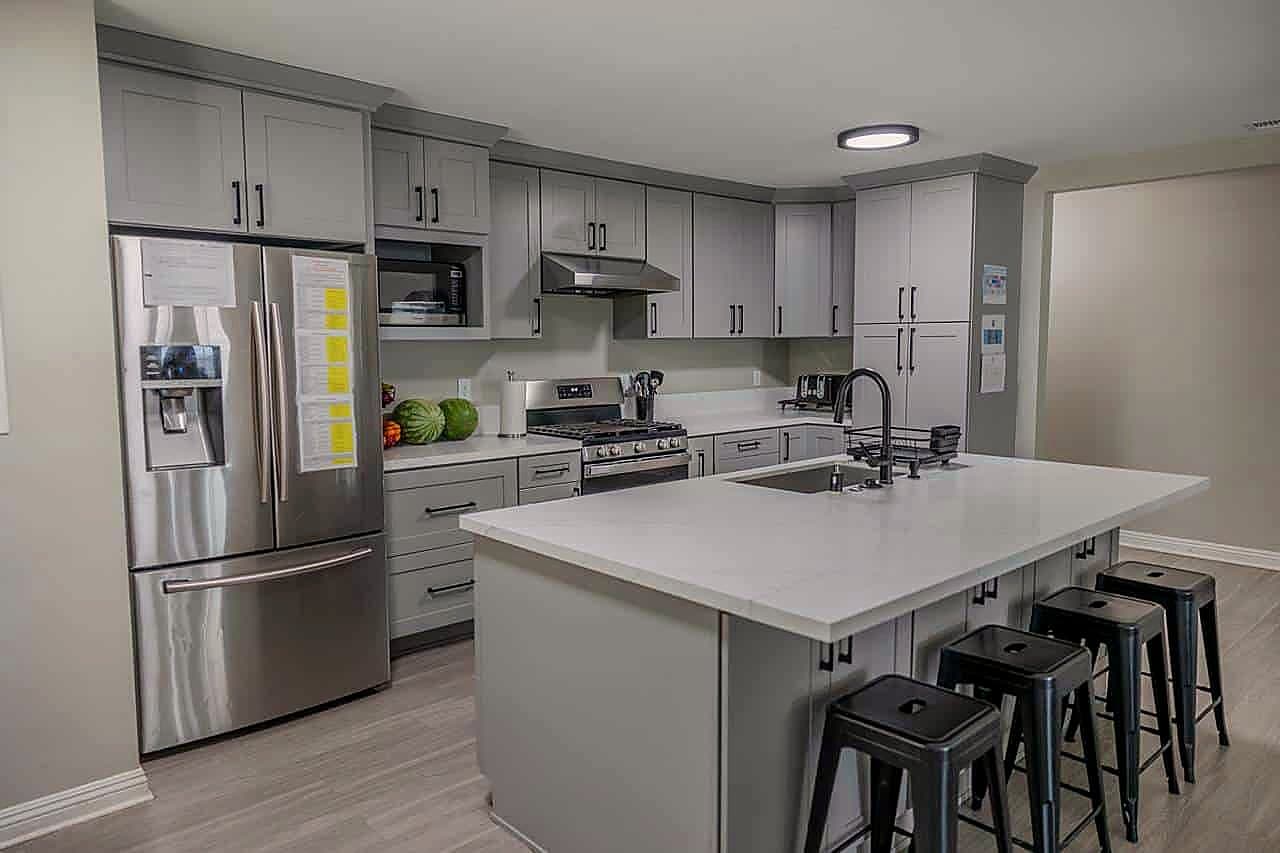
Therapy sessions, family time at the kitchen table, and staff present overnight all give your teen steady support when the urge shows up.
01
DBT helps your teen with the urge in the hour it actually shows up, and individual therapy names the feeling the behavior was managing. The safety plan is updated as risk changes and stays a living plan, never something filed away.
02
Parents learn how to respond in a crisis without panic and without a lecture that can push the behavior out of sight. Together, we write the plan for the first night home.

03
Staff are present through the night, and shared common rooms give your teen somewhere to go instead of being alone with the urge. Safety measures stay clinical and caring, not punitive.
Our approach
Skills for the hardest minutes, a safety plan that changes as risk changes, and treatment for the feeling underneath, not a lecture about stopping.
Distress tolerance and emotion regulation are practiced live in the house, instead of on a worksheet after the hardest moment has passed.
The written plan includes your family and changes as risk changes. A plan written in week one and never revisited is not real care.
Depression, trauma, or a relationship pattern is often the real driver. The stay reaches that too, because the urge can return if its cause is left alone.
Spending time with other teens who know this kind of pain can ease the isolation that makes the next episode more likely.
Medication can help with the depression or anxiety underneath. We consult psychiatry when it is useful, and we do not use medication to try to remove a coping strategy.
Your part
Self-harm can turn a household into constant watching. Family work here teaches you a response that is calm and caring, neither panic nor a lecture.
Punish it or pretend you did not see.
A lecture can push the behavior further out of sight, and ignoring it can be heard as permission. We teach you a response that does neither.
Leave them here and stay out of the work.
Family therapy and parent coaching are part of the same plan, because so much of this work is about how you respond to the next difficult moment.
Sort the first night home after they arrive.
A written safety plan covering the bathroom, the overnight hours, and Sunday is practiced here, well before anyone is in a crisis.
Academics
Safety comes first, and it does not have to cost your teen the school year. Accredited classes run on site while staff stay close during the hardest hours.
Classes Matched To Your Teen
Classes run through Advantages School, our accredited school partner. We use your teen's transcript and current schedule to place them in the right courses, so credits keep building while the safety work happens in the same day.
Optional Tutoring
Tutoring is available alongside the clinical day. Your teen does not need to have a stable week before joining a class.
Preparing For The Return To School
Before discharge, we practice the locker, the question about long sleeves, and the first class, so none of it comes as a surprise.
Please send your teen's transcript, current schedule, and any IEP or 504 plan so their place in class stays theirs.
Length of stay
30
days in residence, by progress
Most stays run 60 to 90 days. Some finish closer to 30, and a few need longer.
90
Some of this work fits in weekly DBT when home can still keep your teen safe. When monitoring has taken over the household, a 30 to 90 day stay provides staffed safety while new skills develop. Discharge is planned around a next therapist and a plan you feel able to follow at night.
When to call
If you cannot leave your teen alone, or the behavior is escalating past what outpatient care can manage, we are here to help. If someone is in immediate danger, call 988 or 911 first, then call us once the situation is safe. Aaron Earnest and the admissions team will be honest about whether this is the right level of care. DBT is usually the core of the treatment. If your teen is talking about not wanting to wake up, please read our teen suicidal ideation treatment page first.
Before you call
FAQ
Answers to what parents often ask before calling about treatment for teen self-harm. If your question is not here, admissions can talk it through with you.
If someone is in immediate danger, call 988 or 911 first, then call us once the situation is safe. Aaron Earnest and the admissions team will be honest about whether this is the right level of care for your teen.
Some of this work fits in weekly DBT when home can still keep your teen safe. If your teen is talking about not wanting to wake up, please read our teen suicidal ideation treatment page first.
Most stays run 60 to 90 days, and some finish closer to 30 while a few need longer. The first days focus on safety, shared language, and a plan, with no pressure for a confession in week one.
DBT helps your teen with the urge in the hour it actually shows up, and individual therapy names the feeling underneath. Group therapy with peers who understand can ease the isolation, and staff are present through the night.
Family therapy and parent coaching are part of the same plan, and you learn to respond in a crisis without panic or a lecture. Together, we write and practice a safety plan for the first night home.