
01
In The Session
A clinician, a simple instrument, and the option to just listen instead. There is no recital and no unstructured free-for-all.
When a teen can't find the words, playing a rhythm or choosing a song can sometimes be the first honest thing they share all week.
Clinically reviewed by Alejandro Alva, M.D., Medical Director.


What this is
This is a facilitated hour of rhythm, voice, or listening for teens who find it hard to begin a conversation. A feeling that doesn't fit into a sentence may fit into a beat, and musical ability is not the point. Individual therapy still leads the treatment plan. This is not a talent show or a band with a therapy label attached.
When talking is the thing that stalls
Anxiety or ADHD can sometimes settle around a rhythm before it settles around a thought, so we start with the simpler thing.
Your teen can play, listen, or simply be in the room. They do not have to perform an insight in front of their peers.
A song your teen picks can be the most honest thing they have offered all week, and we treat it as real material for therapy.
Sound can feel safer than telling the story. We control the volume carefully, so the session stays usable for your teen.
That is completely fine here. Showing up is the work, and nobody is being auditioned.
Doing something side by side can be a first way for a teen to join the household, without needing a speech they haven't prepared.
How it works
The facilitated session, the individual therapist who hears what the song was about, and a house with clear limits on volume.
01
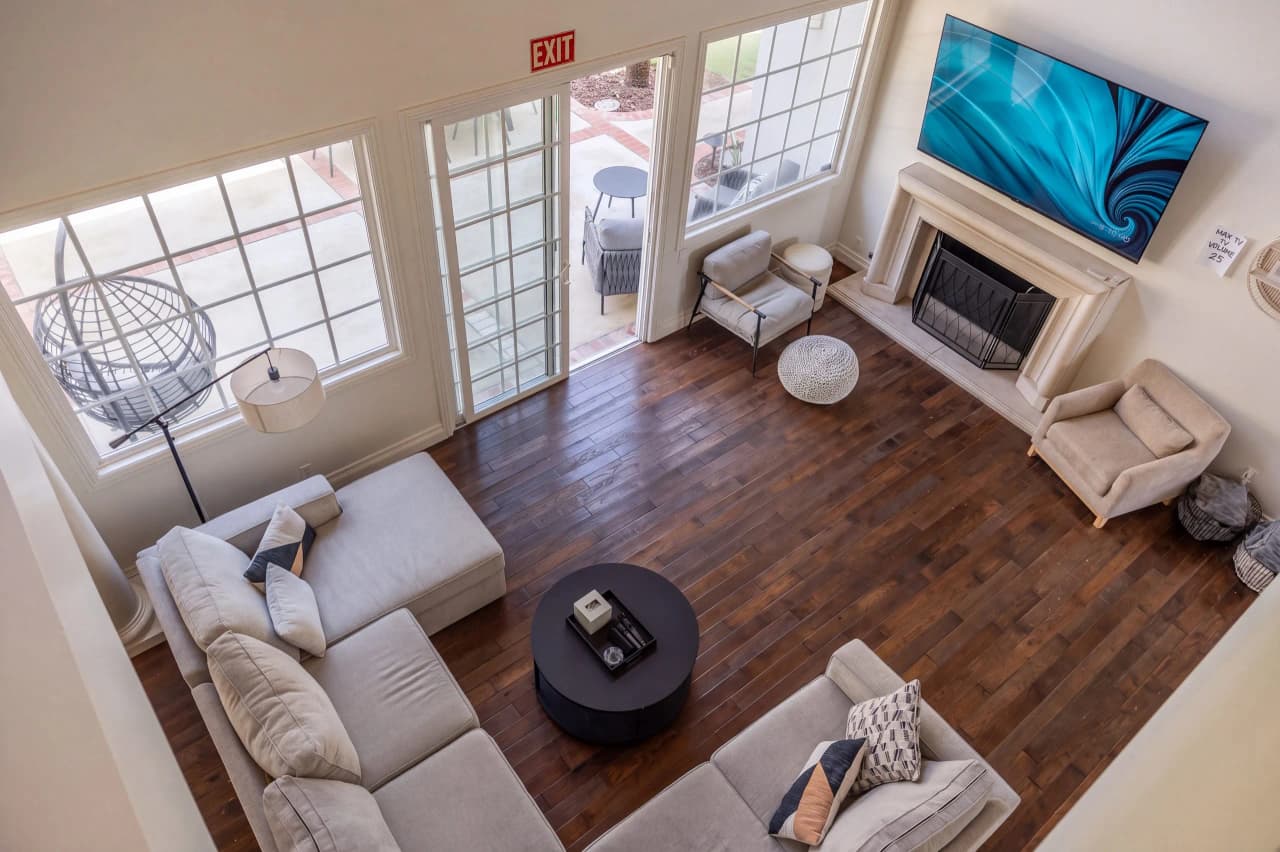
A clinician, a simple instrument, and the option to just listen instead. There is no recital and no unstructured free-for-all.
02
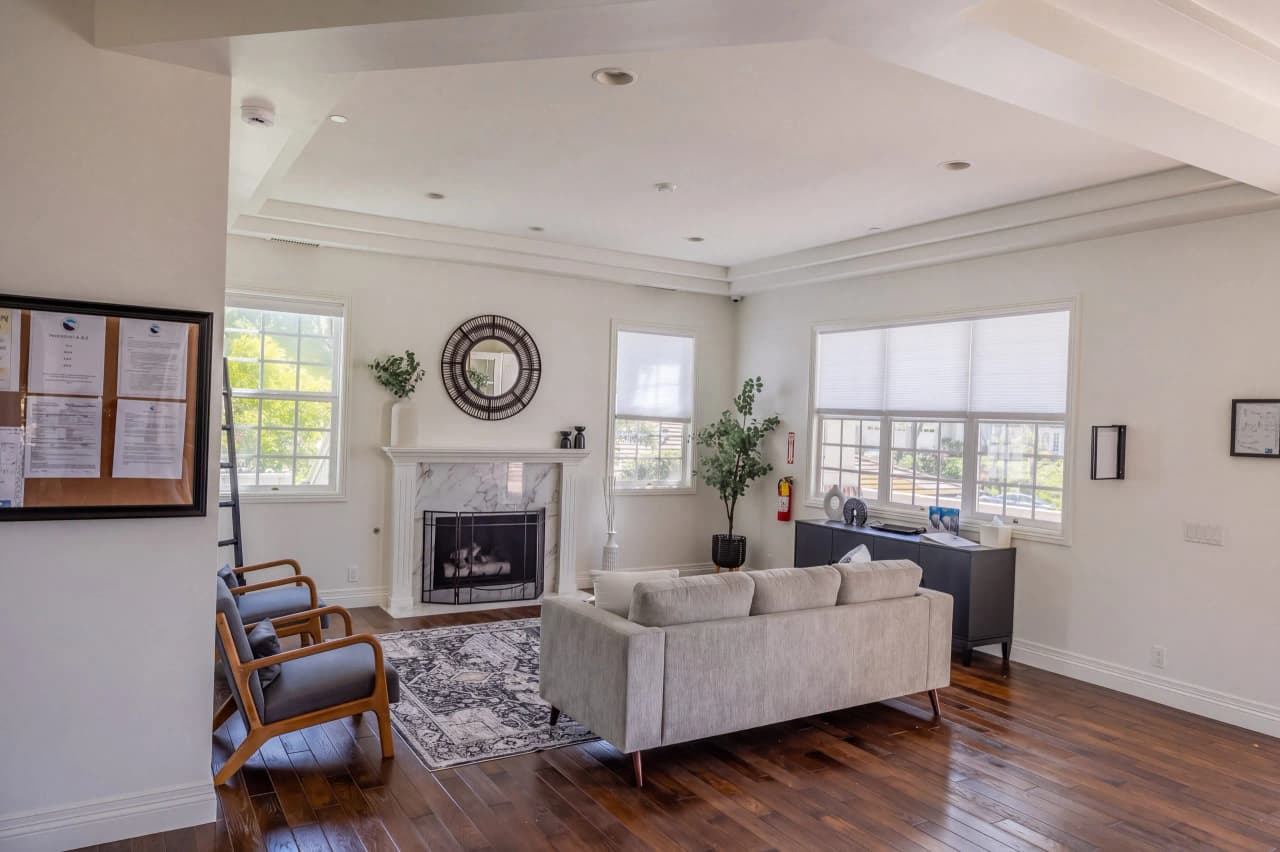
A lyric that captured the week can become material in individual therapy. The two clinicians share the theme, not a recording.
03
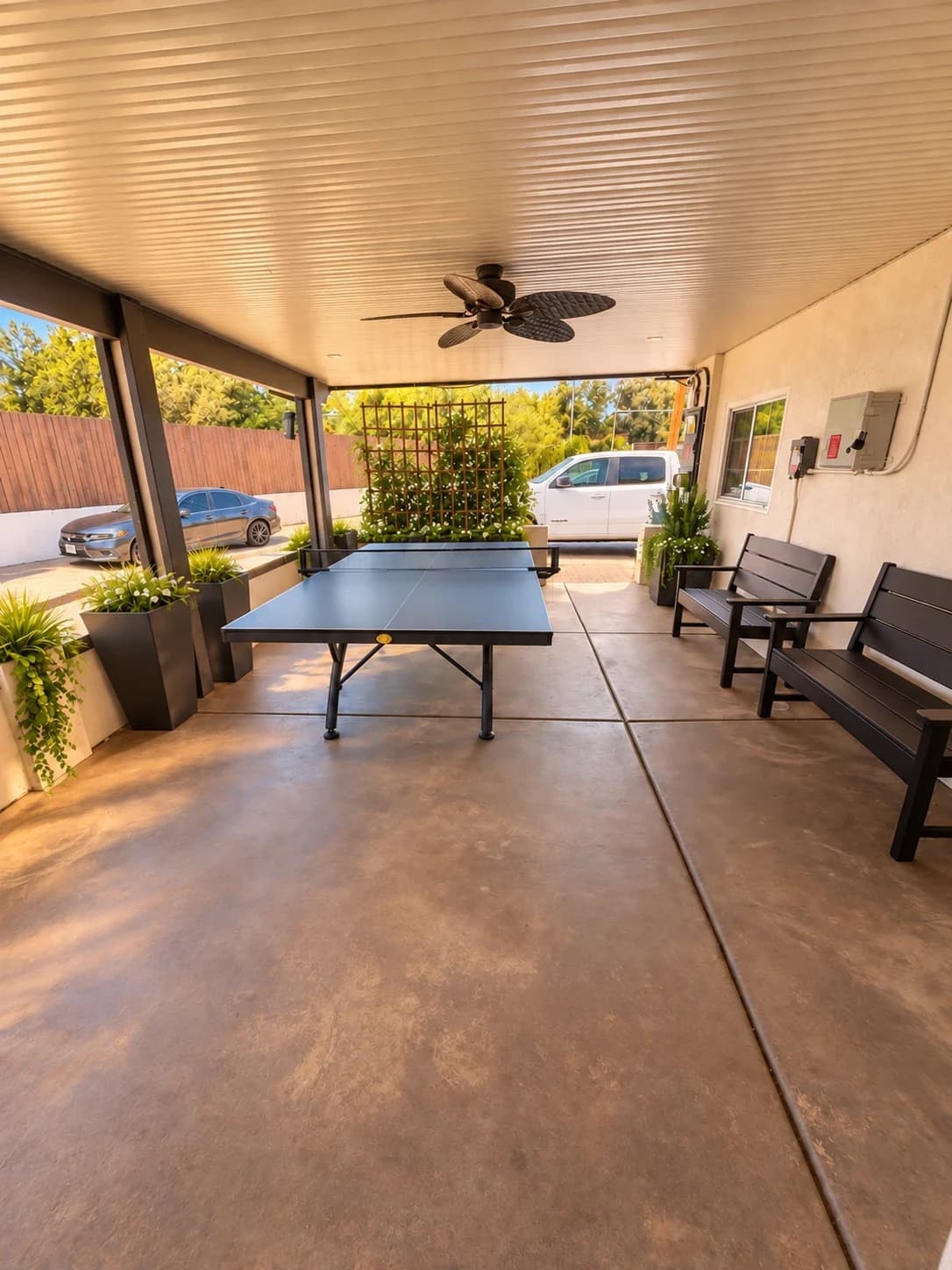
Headphones have their place in the house, and a speaker in the common room has limits, since turning up the volume isn't a plan for a hard mood.
Our approach
Rhythm first, singing optional, and the session skipped when sound feels like too much for your teen.
A nervous system that can follow a beat can often then follow a breath, so we start with whichever is easier for your teen.
Your teen can play an instrument or listen, and they never have to sing. Their consent guides this hour.
The primary therapist hears what the music was about. We don't treat the song choice as only entertainment.
Doing something together, with sharing optional, can help your teen feel less isolated. Nobody has to explain their song.
A sensory issue, a trigger we cannot manage, or sound that feels like too much for your teen all mean we skip it entirely.
Your part
You hear what the session was working on. You are not an audience waiting for a concert your teen never agreed to give.
Play me what they did in there.
You hear the goal of the hour. A performance only happens if your teen offers one themselves.
So they joined a band?
Family sessions cover what the music was about. A set list would turn the hour into a progress report on talent.
Headphones will handle it at home.
We name a healthy way to use music after discharge, so a playlist doesn't become your teen's only coping skill.
Length of stay
30
days in residence, by progress
These sessions run alongside the 30 to 90 day stay, and we do not stop them on a schedule.
90
These sessions happen inside a 30 to 90 day stay at our family-owned Southern California house. They do not replace individual therapy, and we skip them when sound feels like too much for a teen or they would rather not take part. Aftercare means a next therapist who already knows what came up.
When to call
If your teen finds it easier to take part in something other than a talking circle, call Aaron Earnest and the admissions team. They will help you decide whether this belongs in the treatment plan. If drawing appeals more than music, our art therapy page may be the better fit.
Before you call
FAQ
Answers to what parents often ask about music therapy in our program. If your question is not here, admissions can talk it through with you.
It is a facilitated hour of rhythm, voice, or listening, with a clinician and a simple instrument. Your teen can choose to just listen, and there is no recital.
Musical ability is not the point, and teens who say they are not musical are completely fine here. Showing up is the work, and nobody is being auditioned.
Your teen can play an instrument or listen, and they never have to sing. Their consent guides this hour, and sharing in the group is optional.
A sensory issue, a trigger we cannot manage, or sound that feels like too much for your teen all mean we skip it entirely. We also skip it when your teen would rather not take part, and individual therapy still leads the plan.
Family sessions cover what the music was about, and a performance only happens if your teen offers one. We also name a healthy way to use music after discharge, so a playlist doesn't become their only coping skill.