
A Day in the Life: What Really Happens Inside a Teen Residential Treatment Center?
Understanding the daily life within a teen residential treatment center is crucial for parents and guardians seeking help for their adolescents. This article delves into the structured environment of these centers, highlighting the therapeutic activities, academic support, and community-building efforts that contribute to healing. By exploring a typical day, readers will gain insights into how these facilities operate and the benefits they provide to struggling teens. Many families face challenges when navigating mental health issues, and knowing what to expect can ease the transition into treatment. This guide will cover the daily schedule, therapeutic modalities, academic support, peer interactions, family involvement, and safety measures in place at centers like Hillside Horizon for Teens.
What Does a Typical Daily Schedule Look Like in a Teen Residential Treatment Center?
A typical day in a teen residential treatment center is carefully structured to promote healing and personal growth. The daily schedule is designed to provide consistency, which is essential for adolescents dealing with mental health challenges. Morning routines often include therapeutic activities, academic sessions, and recreational opportunities that foster a sense of community and support.
How Are Morning Routines Structured to Support Healing and Wellness?

Morning routines in these centers are intentionally designed to set a positive tone for the day. Activities may include mindfulness practices, such as meditation or yoga, which help teens center themselves and prepare for the day ahead. A healthy breakfast is also a key component, ensuring that adolescents start their day with the nutrition they need. Personal care routines are encouraged, promoting self-esteem and responsibility among the teens.
What Activities Fill the Afternoon and Evening to Promote Growth and Reflection?
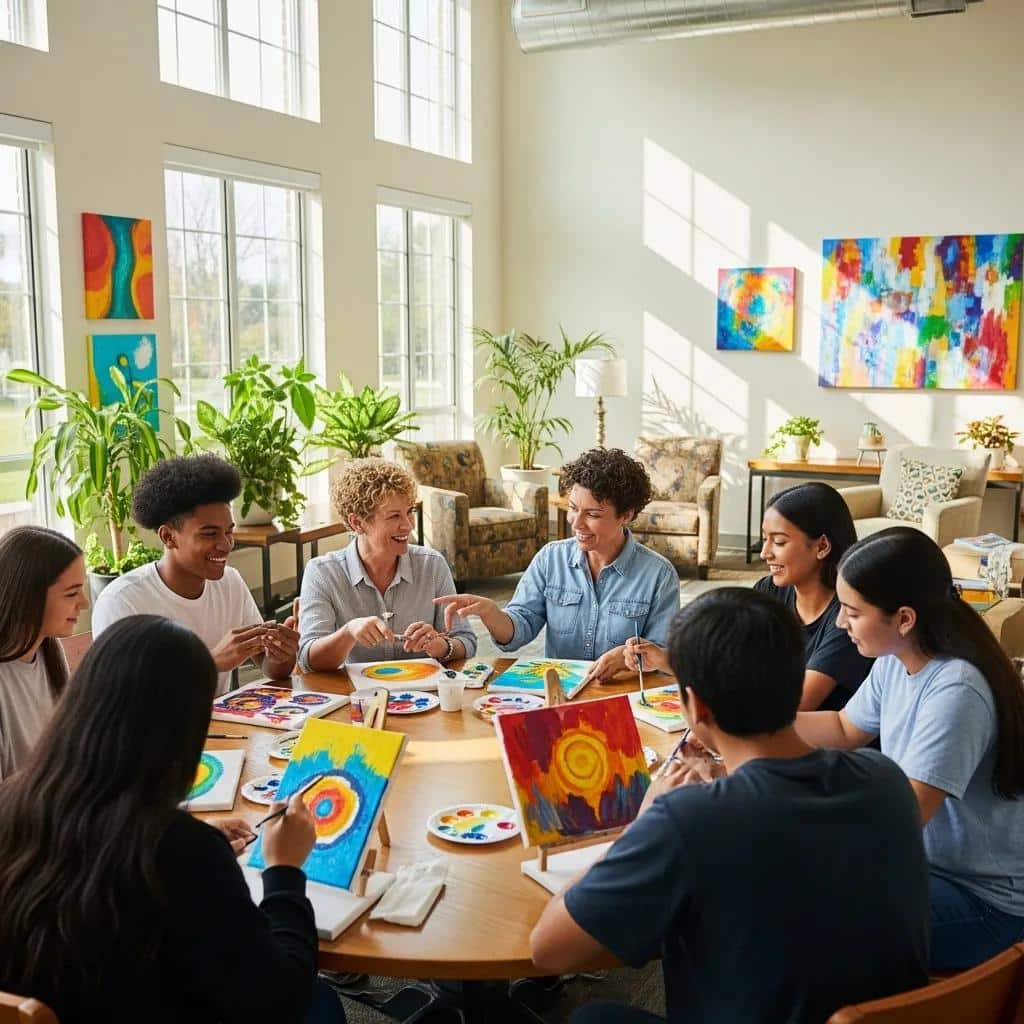
Afternoon and evening activities are equally important in the daily schedule. Group therapy sessions provide a safe space for teens to share their experiences and learn from one another. Recreational activities, such as sports or art therapy, allow for creative expression and physical engagement. Reflection time is also incorporated, giving teens the opportunity to process their feelings and experiences throughout the day.
Which Therapeutic Modalities Are Integrated Throughout the Day?
Therapeutic modalities play a vital role in the treatment process at residential centers. These approaches are tailored to meet the unique needs of each adolescent, ensuring a comprehensive treatment experience.
How Do Individual, Group, and Family Therapies Support Teen Mental Health?
Individual therapy sessions focus on personal challenges and goals, allowing teens to work one-on-one with a therapist. Group therapy fosters a sense of belonging and community, as participants share their stories and support each other. Family therapy is also integral, helping to mend relationships and improve communication within the family unit.
What Holistic and Experiential Therapies Enhance the Treatment Experience?
In addition to traditional therapies, holistic and experiential approaches are incorporated to enhance the treatment experience. Art therapy, for example, allows teens to express their emotions creatively, while equine-assisted therapy provides unique opportunities for connection and trust-building with animals. Adventure therapy may also be utilized, encouraging teamwork and resilience through outdoor activities.
How Is Academic Support Incorporated into the Residential Treatment Program?
Academic support is a crucial aspect of the residential treatment program, ensuring that teens continue their education while receiving care. The structured school program is designed to accommodate various learning styles and needs.
What Does the Structured School Program Include?
The structured school program typically includes core subjects such as math, science, and language arts, taught by qualified educators. Individualized education programs (IEPs) are developed for students with specific learning challenges, ensuring that each teen receives the support they need to succeed academically.
How Is Academic Progress Monitored and Supported?
Academic progress is closely monitored through regular assessments and feedback mechanisms. Teachers and therapists collaborate to provide updates to parents, ensuring that families are informed about their child’s academic achievements and challenges. This collaborative approach fosters a supportive learning environment.
What Role Does Peer Support and Community Building Play in Daily Life?
Peer support and community building are essential components of daily life in a residential treatment center. These elements help teens develop social skills and foster meaningful relationships.
How Are Peer Interactions and Socialization Facilitated?
Peer interactions are facilitated through structured group activities and social events. These opportunities encourage teens to connect with one another, share experiences, and build friendships. Conflict resolution training may also be included, equipping teens with the skills to navigate interpersonal challenges.
What Opportunities Exist for Teens to Build Life Skills Through Community Living?
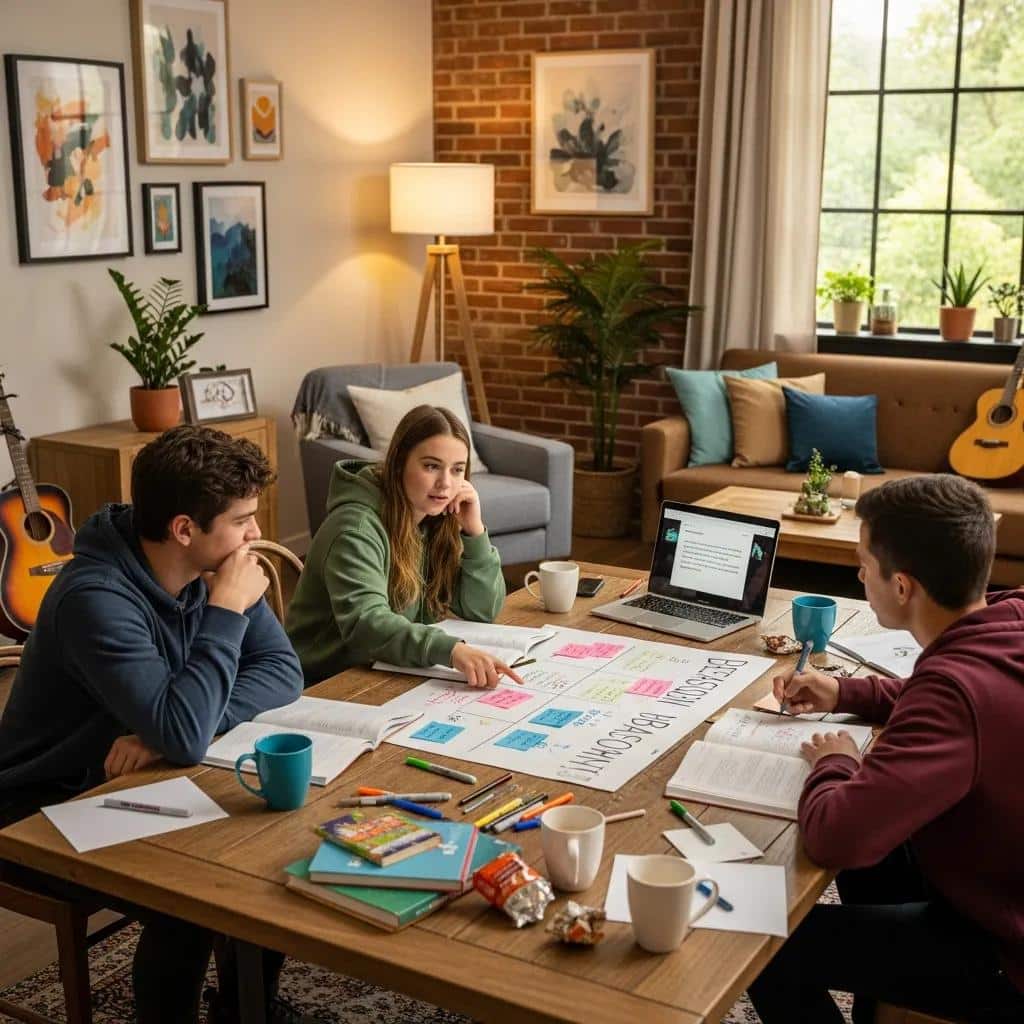
Living in a community setting provides numerous opportunities for teens to develop essential life skills. Time management, communication skills, and teamwork are emphasized through daily responsibilities and group projects. These skills are vital for successful reintegration into home and school environments.
How Are Families Involved in the Treatment Process and Daily Communication?
Family involvement is a cornerstone of the treatment process in residential centers. Engaging families helps to create a supportive network for the teen.
What Is the Role of Family Therapy and Visitation Policies?
Family therapy sessions are designed to address issues within the family dynamic and promote healing. Visitation policies are established to encourage positive interactions between teens and their families, fostering a sense of connection and support.
How Does the Center Communicate Progress and Support to Parents?
Regular communication with parents is prioritized, with updates provided on their child’s progress and treatment goals. Parent meetings and progress reports ensure that families remain informed and engaged in the treatment process.
What Safety Measures and Facility Features Create a Nurturing Environment?
Safety is paramount in a residential treatment center, and various measures are implemented to create a nurturing environment for teens.
How Is 24/7 Supervision and Safety Maintained?
24/7 supervision is maintained through trained staff who are dedicated to ensuring the safety and well-being of all residents. Staff members are equipped to handle emergencies and provide support as needed, creating a secure atmosphere for healing.
What Amenities and Spaces Support Teen Well-being and Comfort?
The facility is designed with amenities that promote comfort and well-being. Common areas, therapy rooms, and outdoor spaces are thoughtfully arranged to provide a welcoming environment where teens can relax and engage in therapeutic activities.
In summary, a day in a teen residential treatment center is structured to provide a comprehensive approach to healing. From morning routines to therapeutic modalities and family involvement, every aspect is designed to support the mental health and well-being of adolescents. For families seeking help, understanding this daily structure can provide reassurance and clarity as they navigate the treatment process at Hillside Horizon for Teens.