

01
In The Session
Grooming, leading, and pausing when the horse says no. Helmets, consent, and no stunts of any kind are part of the session.
In equine therapy, your teen does ground work with a horse, meaning grooming and leading, with a clinician in the session. It is for teens ages 12 to 17 in Southern California, and it is not a trail ride.


What this is
This is ground work, meaning grooming and leading a horse, with a clinician present throughout. Horses respond to a teen's actual state, not to the version they showed in group last night. Individual therapy still leads the treatment plan. We do not offer this as a scenic experience, and we do not put a teen on a horse to prove anything when it feels like too much for them.
When a horse gets past the performance
Your teen may describe their pattern clearly in a therapy room, and the horse responds to how they act rather than how they explain it.
After trauma, a first honest relationship can sometimes feel safer with a large animal than with another person in a chair.
Your teen may say they are fine while the horse moves away. How they are actually doing becomes easier to see and talk about.
Standing too close, staying too far away, or agreeing when they mean no can all show up in the space between two bodies.
Grooming and leading give a restless mind something concrete to do, which a worksheet may not offer.
A first honest hour can start with a brush in their hand. We still talk about it afterward, because this is not a field trip.
How it works
Grooming and leading, a conversation afterward that names what happened, and a kitchen table where your teen uses the same boundary.
01
Grooming, leading, and pausing when the horse says no. Helmets, consent, and no stunts of any kind are part of the session.

02
What your teen's body did and how the horse responded get put into words, and those words are meant to be useful at home.
03
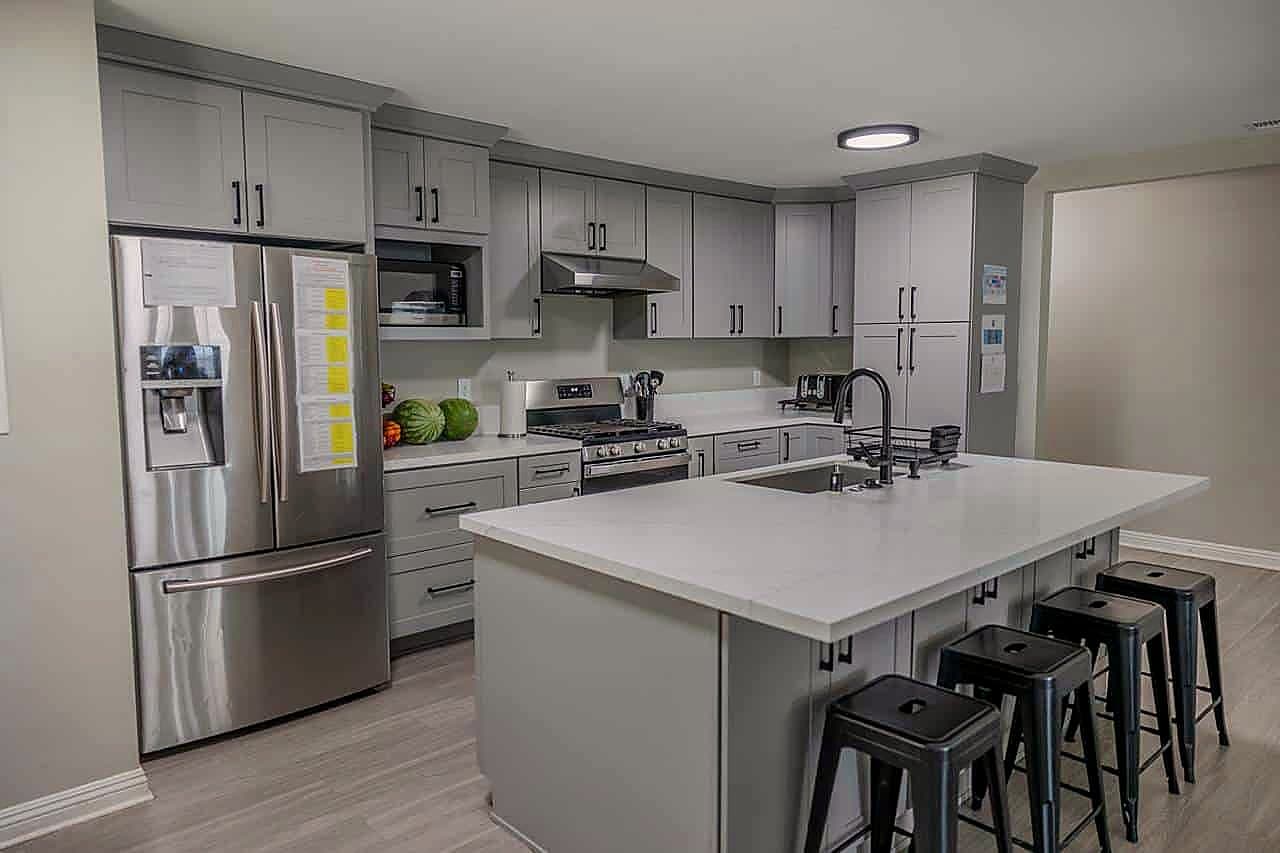
A boundary your teen practiced with a horse gets practiced at the kitchen table too, because the session does not end at the gate.
Our approach
Ground work with a clinician present throughout, and a pause on this work when the animal feels like too much for your teen.
Being present, leading, and stopping all come before any riding, and riding only happens when it genuinely serves the treatment.
This is therapy with a clinical plan, not a trail guide with a therapy label. The plan stays clinical even when the other participant is a horse.
Boundaries and trust show up at dinner, so family sessions hear about the hour in words parents can use.
If the size of the animal feels like too much for your teen, we stop. Pushing through is not how this works.
If there are allergies, genuine fear, a medical reason, or a teen who cannot leave the house, we skip this and keep individual therapy first.
Your part
You hear what the session was working on, which matters more than a photograph of your teen riding.
So they are riding now?
Ground work is the method, and we will tell you if your teen did not get on a horse, because bravery is not the goal.
Send a picture from the barn.
Family sessions cover what came out of the hour. A photo cannot show whether trust or boundaries actually shifted.
We'll find them a stable later.
The useful part is the boundary your teen held, written down for your kitchen, rather than a barn they may not visit after discharge.
Length of stay
30
days in residence, by progress
These sessions run alongside the 30 to 90 day stay rather than ending on a set date.
90
These sessions are part of a 30 to 90 day stay. They do not replace individual therapy, and we skip them when the animal feels like too much for a teen or a clinician advises against it. Aftercare means a next therapist who already knows what came up, rather than a barn membership.
When to call
If talking has stalled, or trust is hard to start with people, call us. Aaron Earnest and the admissions team will help you decide whether this belongs in your teen's plan. If a group challenge fits better than an animal, our adventure therapy page covers that.
Before you call
FAQ
Answers to what parents often ask about equine therapy in our program. If your question is not here, admissions can talk it through with you.
Your teen does ground work, which means grooming and leading a horse, with a clinician present throughout. It is not a trail ride, and pausing when the horse says no is part of the session.
A clinician runs the session with a clinical plan, so this is not a trail guide with a therapy label. Helmets, consent, and no stunts of any kind are part of the session. A debrief puts into words what your teen's body did and how the horse responded.
Equine therapy does not replace individual therapy, which still leads your teen's treatment plan. These sessions are part of a 30 to 90 day stay, and some teens do not do this at all.
We skip this for allergies, genuine fear, a medical reason, or a teen who cannot leave the house, and individual therapy stays first. If the size of the animal feels like too much, we stop, and we do not force contact with a horse.
Family sessions cover what came out of the hour, in words parents can use at home. We will tell you if your teen did not get on a horse, and the boundary they held gets written down for your kitchen.