

01
In Sessions
Individual therapy with licensed clinicians, group therapy, and a primary therapist who sees the whole picture. CBT, DBT, and trauma-focused care are chosen specifically for your son.
A home-like residential program in Southern California for boys ages 12-17. Therapy, school, and 24/7 staff support come together under one roof, giving your son steady, consistent care when weekly outpatient sessions haven't been enough.


What this is
Our boys-only house on our Southern California campus gives teen boys a dedicated space to heal alongside peers who understand what they're going through. We often work with boys facing a shutdown that can look like defiance, anger that has become hard to manage at home, a school year that has slipped away, or substance use alongside a mood concern. An all-male peer group helps many boys feel comfortable speaking openly in group. If your son needs a locked hospital or medical detox, we'll let you know and help you find the right next step.
When this level of care fits
Weekly therapy can be a good start, but some boys need more support between sessions. When the same struggles return week after week, residential care offers a steadier next step.
School refusal, a failing year, or repeated suspensions are signs he needs more support. At Hillside, classes and clinical care happen in the same place, so he can make progress in both.
Self-harm, suicidal thoughts, substance use, or anger that feels unsafe at home call for around-the-clock care. Our staff are present day and night, so your family has the support it needs.
Many boys open up more easily in a single-gender setting. We keep the group small, so group therapy becomes a place to build real social skills and meaningful connection.
Families play an active role in treatment. Parents join family therapy and practice the first weekend home together, so everyone feels prepared when it arrives.
If your son needs a hospital, medical detox, or care outside what we provide, our admissions team will be upfront and help you find a program that can meet his needs.
Daily life
Therapy sessions, family time, and daily life in the house all work together, giving boys consistent support throughout the day and night.
01
Individual therapy with licensed clinicians, group therapy, and a primary therapist who sees the whole picture. CBT, DBT, and trauma-focused care are chosen specifically for your son.
02
Parents and caregivers take part in family therapy, parent coaching, and a practice weekend, helping the whole family build healthier patterns together.

03
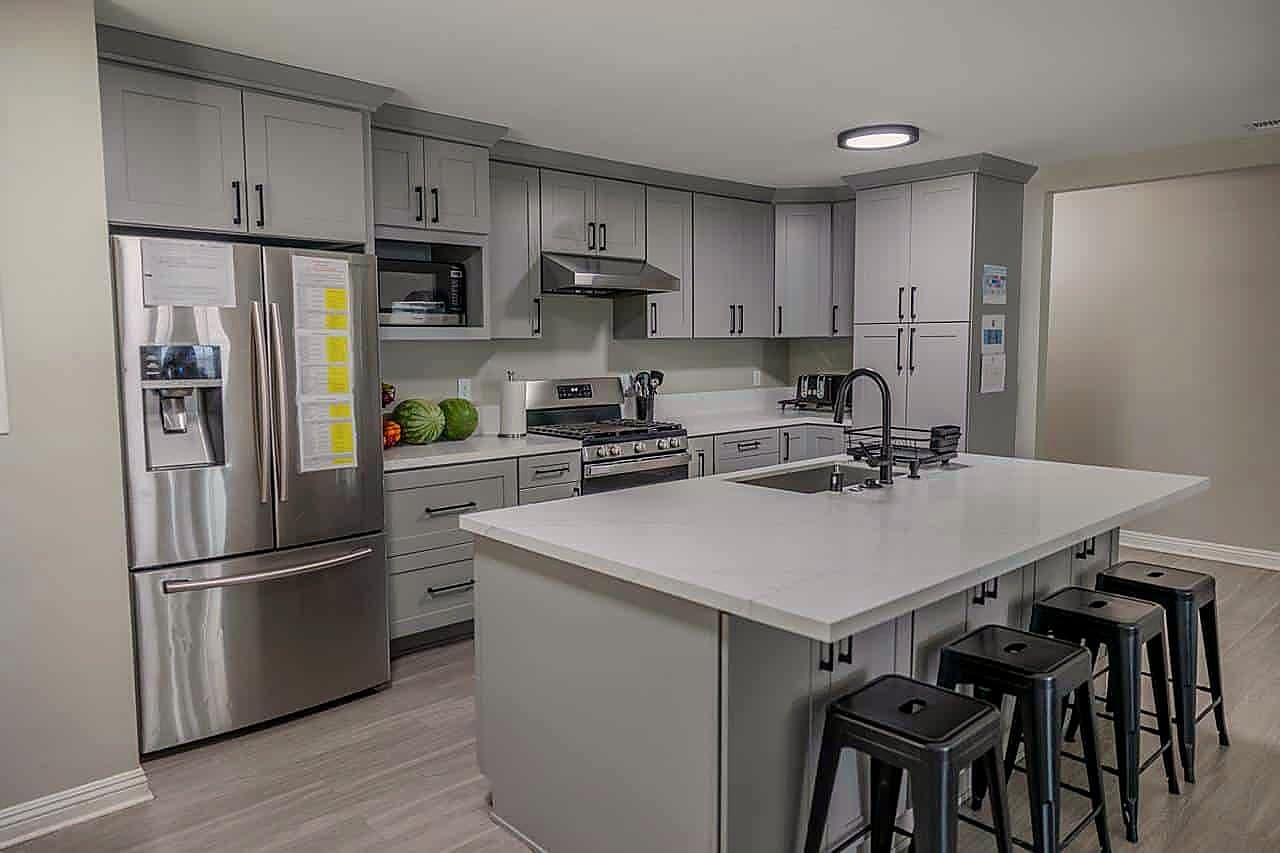
Overnight staff, shared meals, a comfortable common room, and a daily routine where boys build life skills alongside a small, supportive peer group.
Our approach
Each part of the plan is chosen for your son and this level of care. A case manager keeps the plan clear and shared across the whole team.
CBT, DBT, skills groups, and school all fit within one daily schedule. Recreation is part of the day too, giving your son a healthy balance of structure, therapy, and activity.
Nights can be the hardest time for a teen who is struggling. Our staff stay awake overnight, so your son always has support when he needs it most.
Accredited classes and optional tutoring run alongside the clinical day, so your son can keep making progress on his education throughout his stay.
Family therapy, parent coaching, and a practice weekend keep your family and the treatment team working from the same plan, so the progress your son makes here carries over at home.
If your son needs a hospital, detox, or care outside what we provide, our admissions team will let you know on the first call while they review your insurance with you.
Your part
Lasting progress happens when your son and your family grow together. Your involvement is an important part of his time at Hillside.
Call me when he's ready to come home.
Family therapy every week, along with parent coaching, helps you and your son work through challenges together and build healthier ways to connect.
Let the boys handle it.
Even in an all-male house, your son benefits from a parent who stays present, holds healthy limits, and makes time to share a meal together.
We'll see how Sunday goes.
Car rides, screen time, and difficult moments are practiced here before discharge, so your family feels prepared for the transition home.
Academics
Many boys arrive with missed work and a school year that has fallen behind. Accredited classes on site help your son catch up and keep moving forward during treatment.
Classes Matched To Him
Classes run through Advantages School, our accredited school partner. We use his transcript and current schedule to place him in the right courses, helping protect his credits and his place in school.
Optional Tutoring
Tutoring is available alongside the clinical day, giving your son extra support with his classes while he focuses on his treatment.
Preparing For The Return To School
Before his last day, we help him practice the hallway, the bell, and the first class back, so returning to school feels familiar and manageable.
To get started, send his transcript, current schedule, and any IEP or 504 plan.
Length of stay
30
days in residence, by progress
Most stays run 60 to 90 days. Some finish closer to 30, and a few need longer.
90
Most stays run one to three months, guided by your son's progress. The first two weeks focus on safety, settling into the peer group, and building a treatment plan. Discharge is planned around meaningful progress and a clear next step, which may include our outpatient or virtual IOP program on this campus.
When to call
If outpatient therapy isn't providing enough support, or nights at home have become hard to manage safely, we're here to help. Our admissions team will help you determine whether Hillside is the right level of care for your son. Depression and anxiety are often treated during the same stay, and psychiatry and medication management are available when the clinical team recommends them.
Before you call
FAQ
Answers to what parents often ask before calling about our boys-only residential program. If your question is not here, admissions can talk it through with you.
Our boys-only house on our Southern California campus is for boys ages 12 to 17. Your son lives with a small peer group of boys, with staff awake overnight and school on site.
Most stays run one to three months, guided by your son's progress. The first two weeks focus on safety, a steady daily rhythm, and a treatment plan built around your son.
Parents join family therapy every week, along with parent coaching. You also practice the first weekend home with your son before discharge, so your family feels prepared for the transition home.
If your son needs a hospital, medical detox, or care outside what we provide, our admissions team will tell you. They will help you find a program that can meet his needs.
Classes run through Advantages School, our accredited school partner, and we use his transcript and current schedule to place him in the right courses. Optional tutoring is also available alongside the clinical day for extra support.