
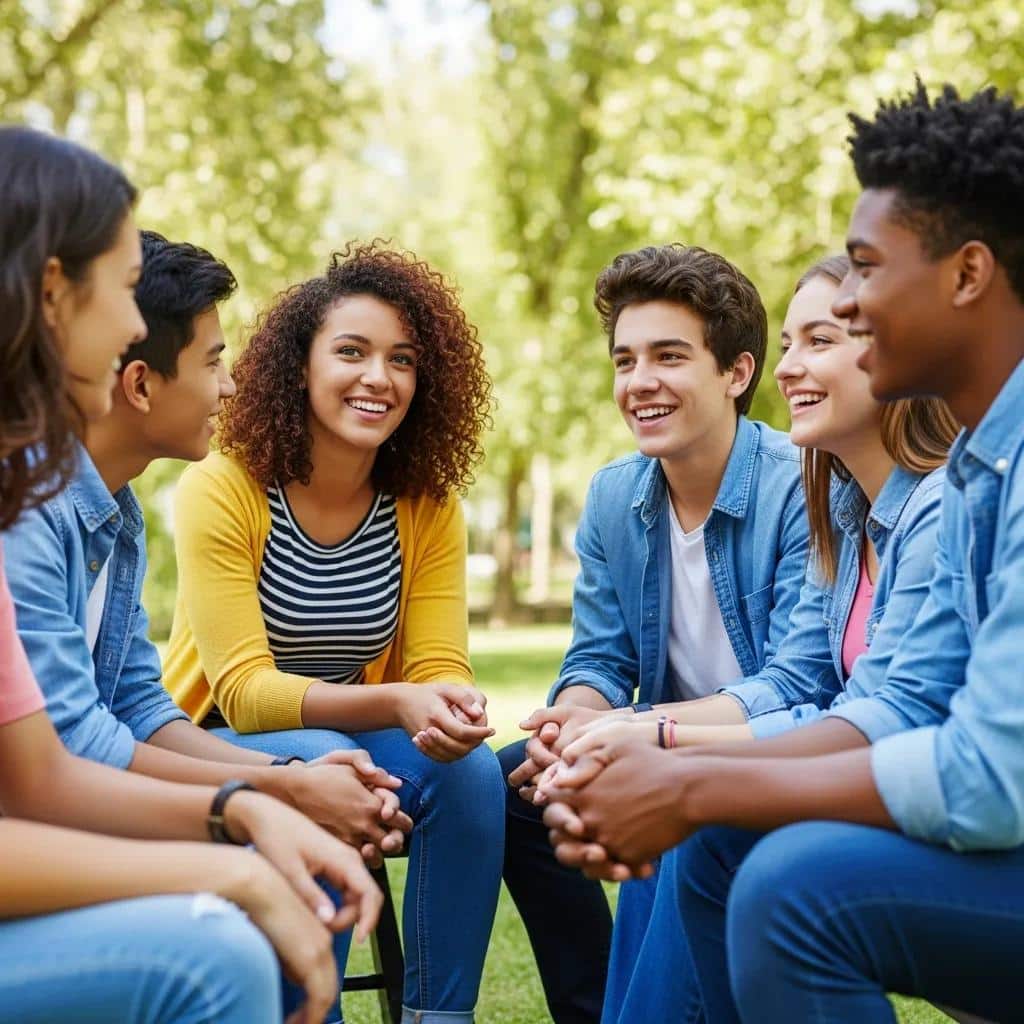
Effective Communication Skills for Teens: How to Improve Adolescent Social and Emotional Interaction
Effective communication is a vital skill for teens, influencing their social interactions and emotional well-being. As adolescents navigate complex social landscapes, they often face unique challenges that can hinder their ability to express themselves and connect with others. This article explores the key communication challenges faced by teens, effective techniques to enhance their social skills, and the role of therapy in supporting their development. By understanding these aspects, parents and educators can better assist teens in improving their communication abilities, fostering healthier relationships, and enhancing their overall mental health.
What Are the Key Communication Challenges Faced by Teens?
Teens encounter several communication challenges that can impede their social interactions. These challenges often stem from developmental changes, social pressures, and mental health issues.
- Social Media Influence: The prevalence of social media can distort communication, leading to misunderstandings, superficial interactions, and sometimes cyberbullying.
- Peer Pressure: Teens may struggle to express their true feelings due to the fear of judgment from peers, which can stifle open dialogue.
- Academic Pressure: The stress of academic expectations can lead to anxiety, making it difficult for teens to communicate effectively in both social and academic settings.
How Do Anxiety and Depression Affect Teen Communication?
Anxiety and depression significantly impact how teens communicate. These mental health conditions can lead to withdrawal from social events, making it challenging for them to engage with peers. Additionally, misunderstandings with family members may arise as teens struggle to articulate their feelings, often resulting in frustration and isolation. Recognizing these effects is crucial for parents and educators to provide the necessary support.
What Common Barriers Hinder Effective Listening and Expression in Adolescents?
Several barriers can hinder effective communication in adolescents.
- Auditory Processing Difficulties: Some teens may have trouble processing spoken information, leading to miscommunication.
- Fear of Judgment: The anxiety of being judged can prevent teens from expressing their thoughts and feelings openly, creating a barrier to effective listening and dialogue.
Which Communication Techniques Help Teens Develop Social Skills?

To enhance their social skills, teens can adopt various communication techniques that promote effective interaction.
- Using ‘I’ Statements: This technique encourages teens to express their feelings without blaming others, fostering healthier conversations.
- Practicing Mindfulness: Mindfulness helps teens stay present during conversations, improving their ability to listen and respond thoughtfully.
- Active Listening: This involves fully concentrating on what is being said rather than just passively hearing the message.
How Does Active Listening Enhance Teen Interactions?
Active listening is a powerful tool that enhances teen interactions by fostering trust and understanding. When teens practice active listening, they validate the feelings of others, which can improve relationships and create a supportive environment for open dialogue. This technique encourages empathy and helps teens navigate complex social situations more effectively.
What Role Does Emotional Intelligence Play in Teen Communication?
Emotional intelligence is crucial for effective communication among teens. It involves understanding one’s emotions and the emotions of others, which aids in social interactions. By developing emotional intelligence, teens can better manage their feelings, respond to others empathetically, and navigate social complexities with greater ease. This skill not only enhances their communication but also contributes to their overall emotional well-being.
Research further emphasizes the profound impact of emotional intelligence on adolescent development and social interactions.
Emotional Intelligence: Key to Adolescent Social & Emotional Well-being
High emotional intelligence has an impact on the process of good social interaction, the establishment of a good self-concept, the decrease of juvenile delinquency, and the enhancement of academic abilities. Adolescents who have low emotional intelligent tend to behave poorly, commit deviations and violations to themselves, such as frustration, conflicting irregularities, and exacerbating mental health. Therefore, emotional intelligence that teenagers possess can develop their social relationships, reduce their stress and frustration, increase their understanding of other people’s emotions, and prevent or reduce the behavior of delinquency.
The role of emotional intelligence in adolescent development, 2020
How Can Therapy Support Communication Skill Development in Teens?
Therapy can play a significant role in helping teens develop their communication skills. It provides a safe environment for expression and allows them to explore their feelings without judgment.
- Safe Environment for Expression: Therapy offers a confidential space where teens can practice communication skills and express their thoughts freely.
- Role-Playing Techniques: Therapists often use role-playing to help teens practice social interactions, which can build confidence and improve their communication abilities.
What Are Trauma-Informed Approaches in Residential Treatment Programs?
Trauma-informed approaches in residential treatment programs focus on understanding the impact of trauma on communication. These approaches emphasize personalized care and family involvement, ensuring that treatment is tailored to the individual needs of each teen. By addressing trauma, these programs help teens develop healthier communication patterns and improve their overall mental health.
How Do Multidisciplinary Teams Facilitate Communication Skills Training?
Multidisciplinary teams in therapy settings bring together various professionals, such as psychologists, social workers, and educators, to provide comprehensive support for teens. This collaborative approach enhances communication skills training by integrating diverse expertise and perspectives. By working together, these teams can create more effective treatment plans that address the unique challenges faced by each teen.
What Parenting Strategies Support Teen Communication Growth?

Parents play a crucial role in supporting their teens’ communication growth. Implementing effective parenting strategies can foster an environment conducive to open dialogue.
- Building a Good Parent-Child Relationship: Establishing trust and understanding encourages teens to communicate openly with their parents.
- Using Active Listening Techniques: Parents can model active listening, demonstrating its importance and encouraging their teens to practice it in their interactions.
How Can Parents Encourage Open and Effective Dialogue?
To promote open dialogue, parents can create a safe space for their teens to express themselves. This can be achieved by:
- Creating a Safe Space: Ensuring that conversations are free from judgment allows teens to share their thoughts and feelings openly.
- Using Open-Ended Questions: Encouraging discussions through open-ended questions helps teens articulate their feelings and thoughts more effectively.
What Are Practical Ways to Reinforce Social Skills at Home?
Parents can reinforce social skills at home through practical activities that encourage communication.
- Role-Playing Social Scenarios: Engaging in role-playing can help teens practice their communication skills in a safe environment.
- Encouraging Positive Self-Talk: Teaching teens to use positive self-talk can boost their confidence in social situations, enhancing their communication abilities.
Different communication techniques and strategies can significantly improve teens’ social skills, leading to healthier relationships and better emotional health. By understanding the challenges they face and implementing supportive strategies, parents and educators can help teens navigate their social worlds more effectively.