
Effective Strategies for Dealing With a Disrespectful Teenager
Navigating the tumultuous waters of parenting a teenager can be challenging, especially when faced with disrespectful behavior. Understanding the underlying causes of such behavior is crucial for parents seeking effective strategies to foster a respectful relationship with their teens. This article will explore common causes of disrespectful behavior, the influence of adolescent mental health issues, and the role of family dynamics. Additionally, we will discuss how parents can recognize signs of behavioral problems and when to seek professional support. By equipping parents with knowledge and practical strategies, we aim to create a more harmonious family environment.
What Are Common Causes of Disrespectful Behavior in Teens?
Disrespectful behavior in teenagers often stems from a variety of underlying causes. Emotional distress, developmental changes, and family dynamics can significantly influence how teens express themselves.
- Emotional Distress: Many teens experience heightened emotions due to hormonal changes, leading to frustration and irritability.
- Developmental Changes: Adolescence is a time of seeking independence, which can manifest as defiance against authority figures.
- Family Dynamics: Communication issues within the family can exacerbate feelings of resentment or misunderstanding, prompting disrespectful behavior.
Understanding these factors is essential for parents aiming to address and mitigate disrespectful behavior effectively.
How Do Adolescent Mental Health Issues Influence Teen Behavior?

Adolescent mental health issues can profoundly impact a teenager’s behavior, often leading to increased instances of disrespect. Conditions such as anxiety, depression, and ADHD can affect a teen’s ability to manage emotions and interact positively with others.
- Academic Performance: Mental health struggles can lead to declining academic performance, which may result in frustration and acting out.
- Social Relationships: Teens facing mental health challenges may withdraw from friends, leading to feelings of isolation and irritability.
- Risk Behavior: Increased impulsivity and risk-taking behaviors can also stem from untreated mental health issues, contributing to disrespectful interactions with parents and authority figures.
Recognizing the link between mental health and behavior is crucial for parents seeking to support their teens effectively.
What Role Do Family Dynamics Play in Teen Disrespect?
Family dynamics play a significant role in shaping a teenager’s behavior. The way family members communicate and interact can either foster respect or contribute to conflict.
- Communication Issues: Poor communication can lead to misunderstandings and resentment, prompting teens to express their frustrations through disrespect.
- Parental Modeling: Teens often mimic the behavior of their parents. If they observe disrespectful interactions, they may adopt similar behaviors.
- Desire for Autonomy: As teens strive for independence, they may push back against parental authority, leading to conflicts and disrespectful exchanges.
Understanding these dynamics can help parents create a more supportive and respectful home environment.
How Can Parents Recognize Signs of Behavioral Problems in Their Teen?
Identifying signs of behavioral problems in teenagers is crucial for timely intervention. Parents should be vigilant for the following indicators:
- Profound Anger: Frequent outbursts of anger or frustration can signal deeper emotional issues.
- Social Withdrawal: A noticeable decline in social interactions or a desire to isolate can indicate underlying problems.
- Declining Academic Performance: A drop in grades or lack of interest in school can be a sign of behavioral or mental health issues.
Recognizing these signs early can help parents address potential problems before they escalate.
Which Behavioral Symptoms Indicate the Need for Professional Support?
Certain behavioral symptoms may indicate that a teenager requires professional support. Parents should consider seeking help if they observe:
- Significant Symptoms: Persistent sadness, anxiety, or mood swings that interfere with daily life.
- Interference with Daily Life: Difficulty in maintaining relationships or fulfilling responsibilities at school or home.
- Increased Substance Use: Experimentation with drugs or alcohol can be a red flag for deeper issues.
If these symptoms are present, consulting a mental health professional can provide valuable support and guidance.
How to Differentiate Between Normal Teen Attitude and Concerning Behavior?
Differentiating between typical teenage behavior and concerning behavior can be challenging for parents. Here are some key distinctions:
- Normal Mood Swings: It is common for teens to experience mood fluctuations; however, extreme or prolonged changes may indicate a problem.
- Total Social Withdrawal: While some withdrawal is normal, complete isolation from friends and family can be concerning.
- Extreme Rebelliousness: A certain level of rebellion is typical, but consistent defiance of rules and authority may require intervention.
Understanding these differences can help parents respond appropriately to their teen’s behavior.
What Treatment Options Are Available for Managing Disrespectful Teenagers?
When disrespectful behavior becomes a pattern, various treatment options can help manage the situation effectively. Parents may consider:
- Professional Help: Engaging a therapist or counselor can provide tailored strategies for addressing behavioral issues.
- Family Therapy: This approach fosters open communication and understanding among family members, helping to resolve underlying conflicts.
- Positive Reinforcement: Encouraging positive behavior through rewards can motivate teens to adopt more respectful interactions.
These options can provide valuable support for families struggling with disrespectful behavior.
How Do Residential Treatment Programs Support Adolescent Mental Health?
Residential treatment programs offer structured environments for adolescents facing significant behavioral and mental health challenges. These programs typically provide:
- Individualized Care: Tailored treatment plans address the unique needs of each teen, focusing on their specific challenges.
- Therapeutic Activities: Engaging in therapeutic activities helps teens develop coping skills and emotional regulation.
- Family Involvement: Many programs emphasize the importance of family involvement in the treatment process, fostering healthier communication patterns.
Such programs can be instrumental in supporting adolescents on their journey to improved mental health.
Indeed, studies confirm the heightened prevalence of mental health challenges among adolescents in residential care, emphasizing the critical role of psychosocial skills in their well-being.
Adolescent Mental Health & Psychosocial Skills
Research suggests that mental health problems in adolescents in residential care (RC) are more prevalent than for youth in the community, and that psychosocial competencies are protective factors of mental health. This study compared adolescents in RC in Portugal, with a Portuguese community sample on the incidence of mental health problems and psychosocial skills, explored gender differences and the relationships between mental health problems and psychosocial competencies.
Emotional and behavioral problems and psychosocial skills in adolescents in residential care, M Barbosa-Ducharne, 2019
What Are the Benefits of Family Therapy in Improving Communication?

Family therapy can significantly enhance communication within families dealing with disrespectful behavior. The benefits include:
- Enhanced Communication: Therapy provides a safe space for family members to express their feelings and concerns openly.
- Conflict Resolution: Families learn effective strategies for resolving conflicts, reducing tension and misunderstandings.
- Strengthening Family Bonds: Improved communication fosters stronger relationships, creating a more supportive family environment.
These benefits highlight the importance of addressing communication issues within the family unit.
How Can Parents Effectively Handle Rude or Defiant Teens at Home?
Managing rude or defiant behavior at home requires a strategic approach. Parents can implement the following strategies:
- Maintain Calm Communication: Responding calmly to disrespectful behavior can help de-escalate situations and model appropriate communication.
- Establish Clear Boundaries: Setting clear expectations and consequences for behavior can provide structure and accountability.
- Encourage Open Communication: Creating an environment where teens feel safe to express their thoughts can reduce the likelihood of disrespectful behavior.
These strategies can empower parents to handle challenging situations more effectively.
What Are Practical Teen Anger Management Techniques for Parents?
Teaching teens effective anger management techniques can help them navigate their emotions constructively. Some practical techniques include:
- Journaling: Encouraging teens to write about their feelings can help them process emotions and identify triggers.
- Relaxation Techniques: Techniques such as deep breathing or mindfulness can help teens manage stress and anger.
- Physical Activity: Engaging in regular physical activity can serve as a healthy outlet for pent-up emotions.
Implementing these techniques can support teens in developing healthier emotional responses.
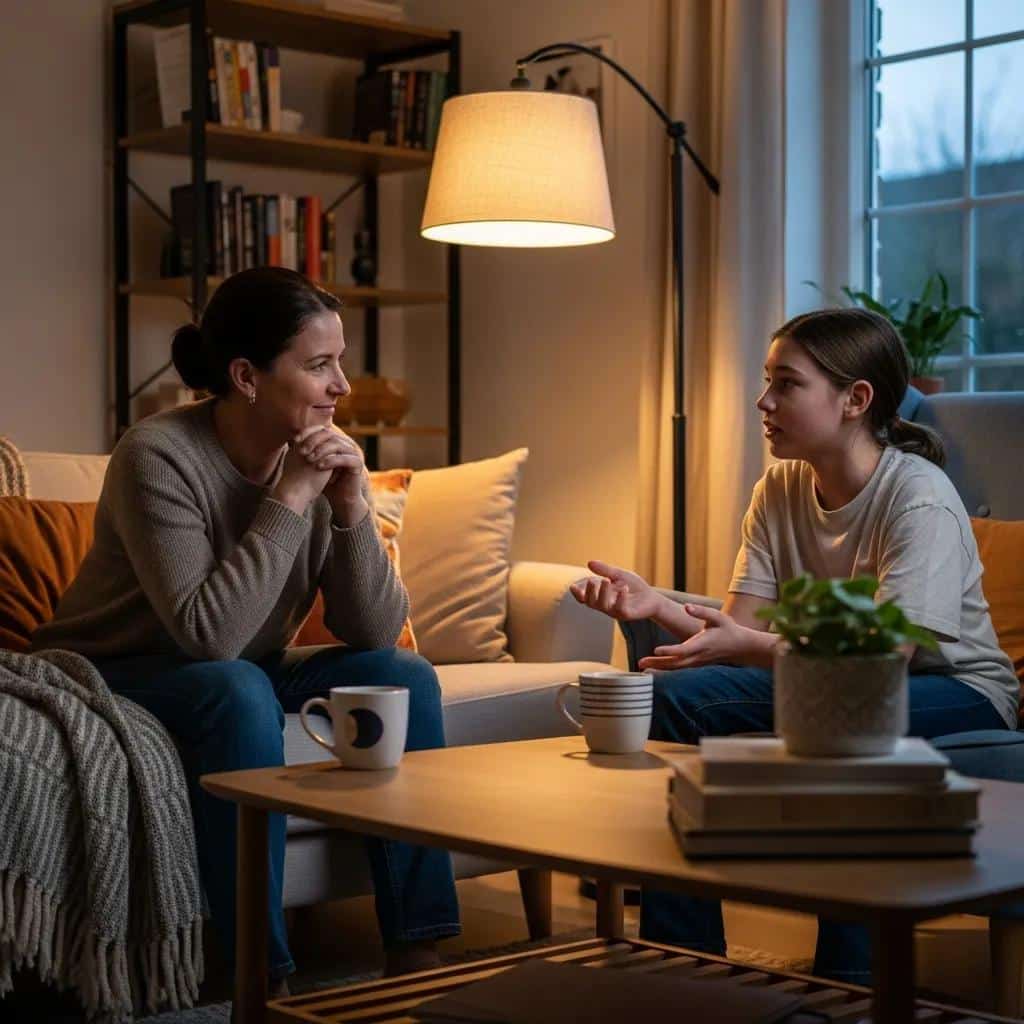
How to Foster Respectful Communication Between Parents and Teens?
Fostering respectful communication is essential for maintaining a positive relationship between parents and teens. Here are some strategies to consider:
- Active Listening: Demonstrating genuine interest in what teens have to say can encourage open dialogue.
- Using ‘I’ Statements: Framing concerns with ‘I’ statements can reduce defensiveness and promote understanding.
- Creating a Safe Space: Ensuring that discussions occur in a non-threatening environment can facilitate more honest communication.
By prioritizing respectful communication, parents can strengthen their relationships with their teens and reduce instances of disrespectful behavior.