
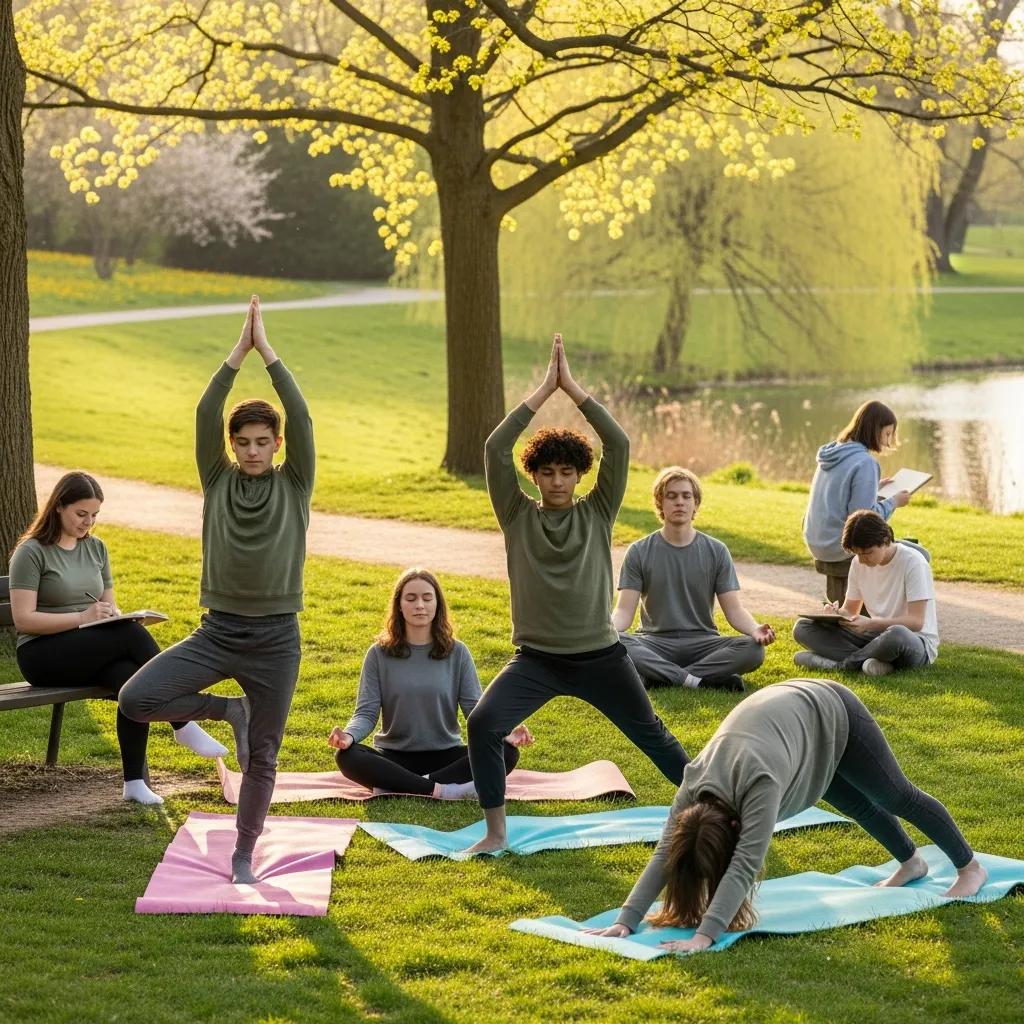
Mindfulness Activities for Teens: Effective Exercises and Support Strategies
Mindfulness activities are essential tools for promoting emotional well-being among teens, helping them navigate the complexities of adolescence. These practices not only enhance self-awareness but also foster emotional regulation, which is crucial during this transformative period. In this article, we will explore various mindfulness exercises tailored for adolescents, their benefits, and how they can be integrated into daily routines. Many teens face challenges such as anxiety, stress, and emotional turmoil, making mindfulness a valuable approach to support their mental health. We will delve into effective mindfulness exercises, the mental health benefits of these practices, their integration into residential treatment programs, and how parents can support their teens in maintaining mindfulness practices.
What Are the Most Effective Mindfulness Exercises for Adolescents?
Mindfulness exercises for adolescents are designed to cultivate awareness and promote emotional balance. These activities can significantly enhance a teen’s ability to manage stress and improve overall mental health. Some of the most effective mindfulness exercises include mindful breathing, body scans, and guided meditations. Each of these practices offers unique benefits that can help teens develop coping strategies for everyday challenges.
How Do Breathing Techniques Help Teen Emotional Regulation?
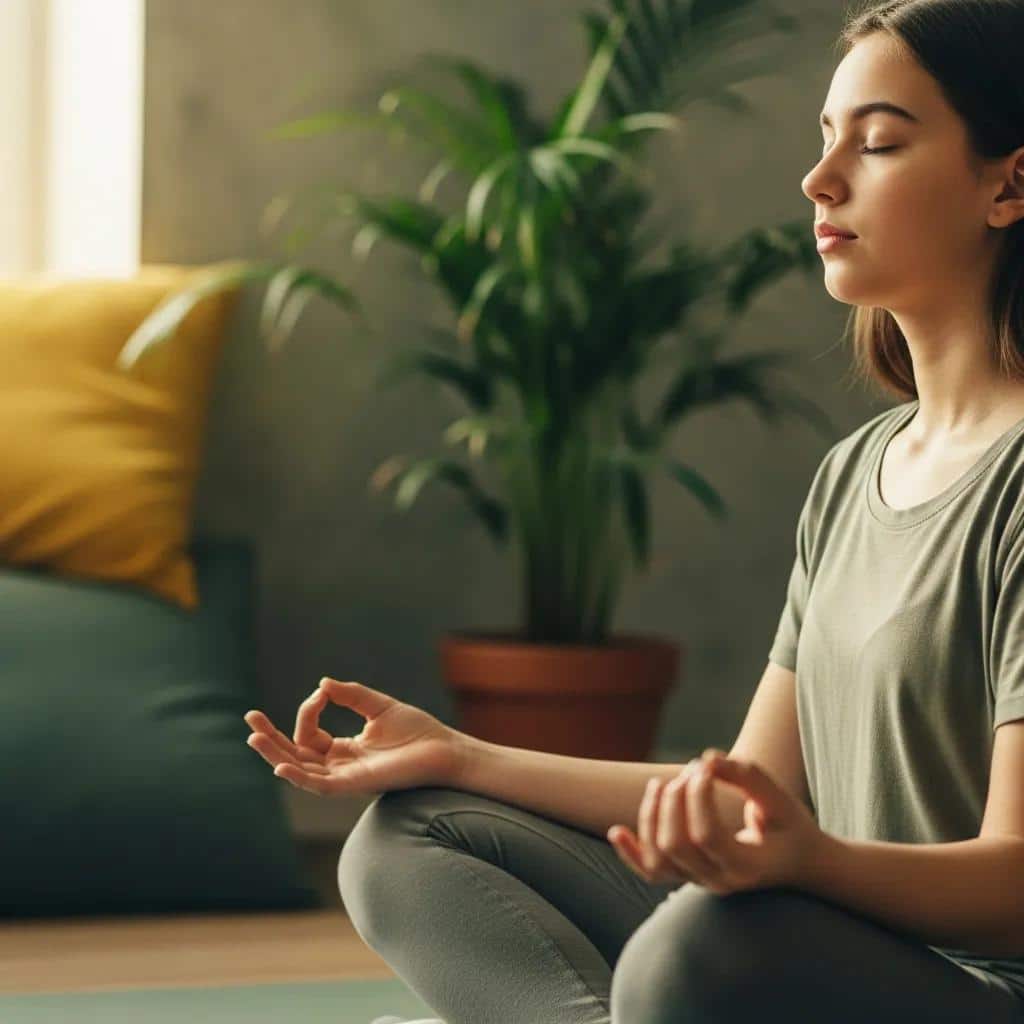
Breathing techniques are fundamental to mindfulness practices, providing a simple yet powerful way to enhance emotional regulation. By focusing on their breath, teens can reduce stress and anxiety, leading to improved focus and attention. Techniques such as deep belly breathing or the 4-7-8 method encourage relaxation and help teens become more aware of their emotional states. This increased self-awareness allows them to respond to stressors more effectively, fostering resilience in the face of challenges.
What Are Body Scan and Meditation Practices for Teens?

Body scan and meditation practices are excellent tools for helping teens connect with their bodies and minds. A body scan involves mentally checking in with different parts of the body, promoting relaxation and awareness of physical sensations. Guided meditation, on the other hand, provides structured sessions that can help teens visualize calming scenarios or focus on positive affirmations. These practices not only reduce stress but also enhance emotional resilience, making them valuable components of a teen’s mindfulness toolkit.
How Does Mindfulness Support Mental Health and Stress Relief in Teens?
Mindfulness plays a crucial role in supporting “mental health” and alleviating stress among adolescents. By engaging in mindfulness practices, teens can experience significant reductions in anxiety and depression symptoms. These techniques promote emotional regulation, allowing teens to navigate their feelings more effectively and develop healthier coping mechanisms.
Further research underscores how mindfulness practices can profoundly influence adolescent brain development, enhancing crucial skills like attention and emotional control.
Mindfulness for Adolescent Emotion Regulation & Brain Development
We also discuss how mindfulness practice could impact on the development of prefrontal brain structures and enhance attention control and emotion regulation skills in adolescents, impacting in turn on their self-regulation and coping skills.
Mindfulness training for adolescents: A neurodevelopmental perspective on investigating modifications in attention and emotion regulation using event-related brain …, KL Sanger, 2015
Can Mindfulness Reduce Anxiety and Depression Symptoms in Adolescents?
Research indicates that mindfulness can be an effective intervention for reducing anxiety and depression symptoms in adolescents. Mindfulness techniques, such as meditation and mindful breathing, have been shown to lower cortisol levels, the hormone associated with stress. By practicing mindfulness regularly, teens can cultivate a greater sense of calm and emotional stability, which is essential for their overall mental health.
The efficacy of mindfulness-based interventions in addressing youth anxiety has been a subject of focused research.
Mindfulness Interventions for Youth Anxiety: Efficacy & Outcomes
Anxiety disorders are common mental health problems amongst youth with harmful impacts often extending into adulthood. Mindfulness-based interventions (MBIs) have become increasingly popular for addressing mental health issues, particularly in schools; however, it remains unclear how effective they are for reducing youth anxiety. This meta-analysis aimed to evaluate the efficacy and effect moderators of MBIs on anxiety outcomes in children and adolescents.
The limited effect of mindfulness-based interventions on anxiety in children and adolescents: A meta-analysis, N Dargue, 2020
What Are the Benefits of Mindfulness for Teen Brain Development?
Mindfulness also offers cognitive benefits that are particularly important for brain development during adolescence. Engaging in mindfulness practices can enhance cognitive functions such as attention, memory, and emotional regulation. Studies suggest that mindfulness can lead to functional and structural changes in the brain, promoting resilience and emotional intelligence. This development is crucial for teens as they face academic pressures and social challenges.
Beyond individual cognitive benefits, the integration of mindfulness into educational settings has shown promising results for academic success and self-regulation.
Mindfulness in Classrooms: Boosting Teen Self-Regulation & Academic Success
This chapter reviews evidence from developmental psychology and cognitive neuroscience on the effects of mindfulness training in children and adolescents. It is argued that mindfulness practices can be integrated into all classroom levels from preschool to high school, and that doing so has the potential to improve students’ brain functioning and lead to changes in brain structure that facilitate academic success. In particular, it is argued that mindfulness practice improves various aspects of self-regulation that are central to academic achievement.
Mindfulness matters in the classroom: The effects of mindfulness training on brain development and behavior in children and adolescents, KE Lyons, 2016
How Are Mindfulness Activities Integrated into Residential Treatment Programs for Teens?
Mindfulness activities are increasingly being integrated into residential treatment programs for teens, providing structured support for mental health challenges. These programs often include a variety of mindfulness practices tailored to the needs of adolescents, helping them develop essential coping skills.
What Mindfulness Components Are Included in Structured Residential Care?
Structured residential care programs typically incorporate daily mindfulness practices, such as meditation sessions, yoga, and mindful eating. These components are designed to create a supportive environment where teens can learn and practice mindfulness consistently. The therapeutic benefits of these activities are significant, as they help teens build resilience and improve their emotional well-being.
How Does a Multidisciplinary Team Support Mindfulness Practice in Teens?
A multidisciplinary team plays a vital role in supporting mindfulness practices within residential treatment programs. This team often includes therapists, educators, and wellness coaches who collaborate to create a comprehensive mindfulness curriculum. By engaging families in the process, these teams ensure that mindfulness practices are reinforced both in treatment and at home, enhancing the overall effectiveness of the program.
How Can Parents Support Their Teen’s Mindfulness Practice Effectively?
Parents can play a crucial role in supporting their teen’s mindfulness practice by creating a conducive environment and encouraging consistent engagement with mindfulness activities. By understanding the benefits of mindfulness, parents can help their teens integrate these practices into their daily lives.
What Strategies Help Parents Encourage Consistent Mindfulness Exercises?
To encourage consistent mindfulness exercises, parents can start by introducing small, manageable practices into their teen’s routine. This might include setting aside a few minutes each day for mindful breathing or participating in family meditation sessions. Additionally, using mindfulness apps can provide guided exercises that make it easier for teens to practice regularly.
How Can Parents Understand the Benefits of Mindfulness for Their Teen’s Mental Health?
Understanding the benefits of mindfulness for their teen’s mental health is essential for parents. Research shows that mindfulness can lead to improved emotional regulation, reduced stress, and enhanced focus. By recognizing these benefits, parents can better support their teens in adopting mindfulness practices, ultimately contributing to their overall well-being.
Different mindfulness activities offer unique benefits that can significantly enhance the emotional and mental well-being of teens.
This table illustrates how various mindfulness activities can be integrated into a teen’s routine to support their mental health effectively. By encouraging these practices, parents and caregivers can help teens develop essential skills for managing stress and enhancing their emotional resilience.