
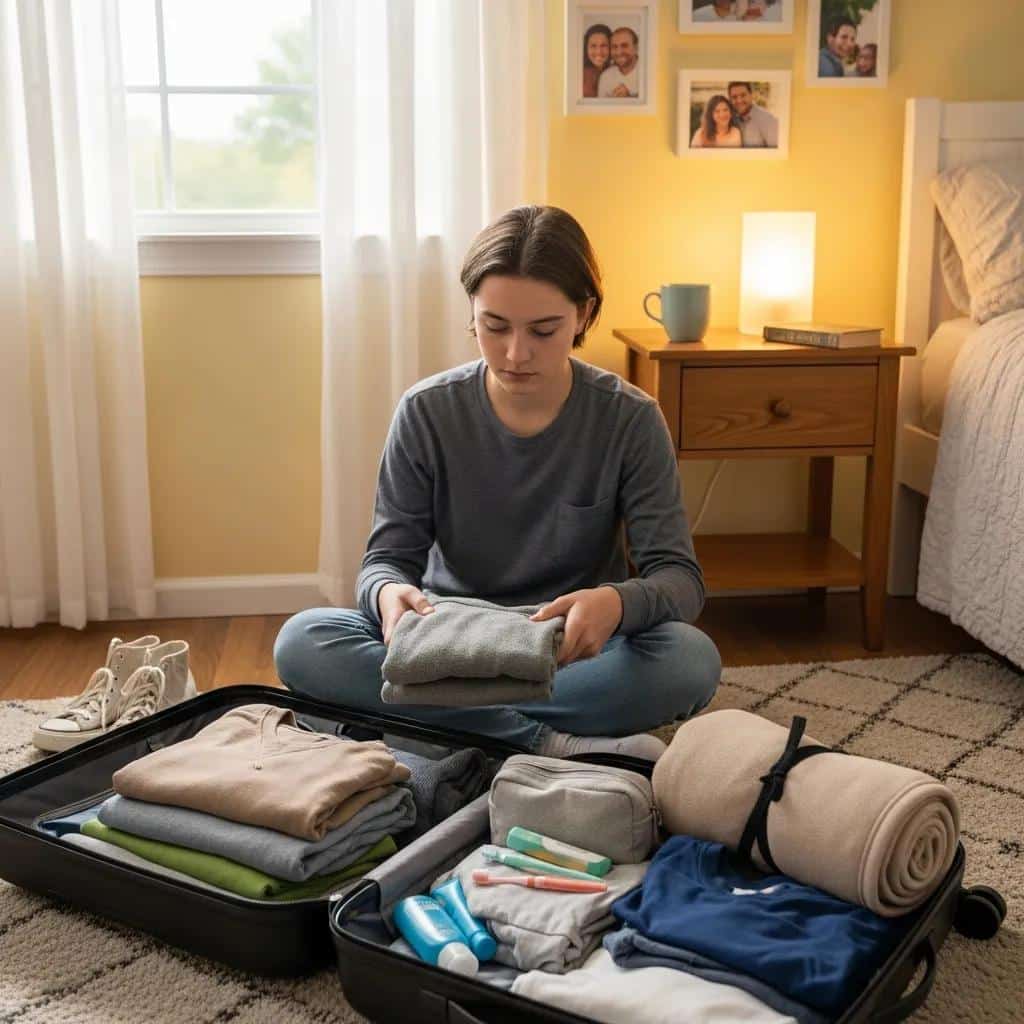
Packing List: What Your Teen Can and Cannot Bring to Residential Rehab
Preparing for residential rehab can be a daunting task for both teens and their families. A well-thought-out packing list is essential to ensure that your teen has everything they need for a successful stay. This article will guide you through what your teen can and cannot bring to residential rehab, focusing on essential items, required documents, and prohibited items. Understanding these guidelines can help ease the transition into treatment and support your teen’s mental health journey. We will also explore how involving your teen in the packing process can foster a sense of ownership and responsibility. Finally, we will discuss how a thoughtful packing list can enhance therapeutic success at Hillside Horizon for Teens.
What Are the Essential Items Your Teen Should Pack for Residential Treatment?
Packing for residential treatment involves selecting items that promote comfort and hygiene. Here’s a comprehensive list of essential items your teen should consider bringing:
- Comfortable Clothing: Teens should pack clothing suitable for California’s climate, which can vary from warm days to cooler evenings. Layering is key, so include items like t-shirts, sweatshirts, and lightweight jackets.
- Personal Hygiene Products: Essential hygiene items such as shampoo, conditioner, soap, and toothpaste are crucial. It’s important to choose alcohol-free products to ensure safety and comfort during their stay.
- Bedding and Linens: Some facilities provide bedding and linens; check with the rehab center for specific guidelines.
Which Comfortable Clothing Is Recommended for California’s Climate?

When selecting clothing for California’s climate, consider the following recommendations:
- Layering Options: Include lightweight t-shirts, long-sleeve shirts, and a warm sweatshirt or jacket for cooler evenings.
- Comfortable Footwear: Sneakers or comfortable shoes are ideal for daily activities and outings.
- Modest Attire: Ensure that clothing is appropriate for a therapeutic environment, avoiding overly revealing or distracting outfits.
What Personal Hygiene Products Are Allowed in Teen Rehab?
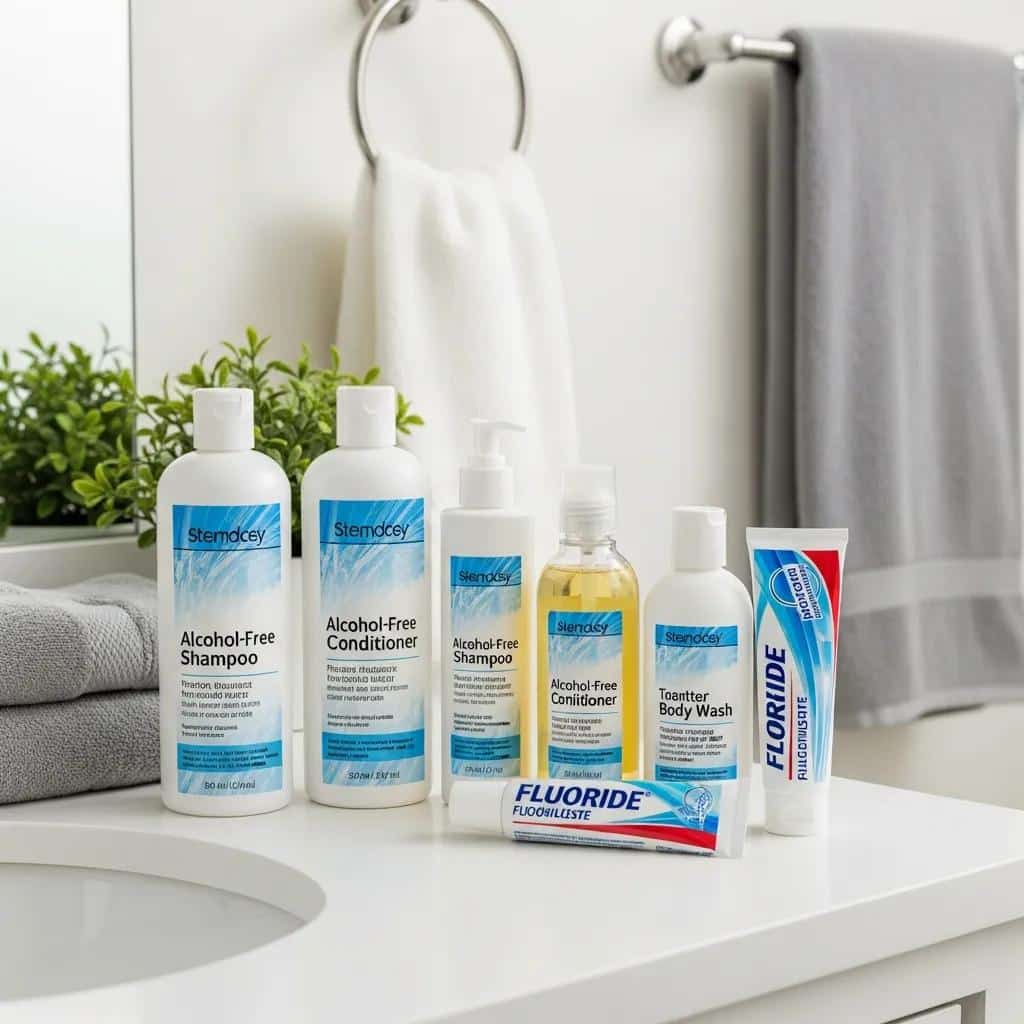
Personal hygiene is vital for maintaining health and comfort during rehab. Here are some recommended products:
- Shampoo and Conditioner: Opt for gentle, alcohol-free formulas to avoid irritation.
- Body Wash and Soap: Choose unscented or mild options to prevent allergic reactions.
- Toothpaste and Deodorant: Ensure these items are also alcohol-free and suitable for sensitive skin.
What Identification and Documents Are Required for Teen Residential Rehab Admission?
Before admission, families must prepare specific identification and documents to ensure a smooth process. Here’s what you need:
- Identification Documents: A government-issued ID, such as a driver’s license or passport, is typically required.
- Insurance Information: Bring a copy of the insurance card and any relevant policy details.
- Emergency Contacts: Provide a list of emergency contacts, including family members and healthcare providers.
How Should Prescription Medications Be Prepared and Submitted?
When it comes to prescription medications, proper preparation is essential:
- Original Bottles: Medications should be in their original containers with clear labeling.
- Detailed List: Include a list of all medications, dosages, and administration times to ensure proper management during treatment.
What Other Important Documents Should Families Provide?
In addition to identification and insurance information, families should prepare the following documents:
- Medical History: A summary of the teen’s medical history, including any previous treatments or diagnoses.
- Consent Forms: Ensure all necessary consent forms are signed and ready for submission.
What Items Are Prohibited in Teen Mental Health Facilities and Why?
Understanding what items are prohibited in rehab facilities is crucial for safety and therapeutic focus. Here are common restrictions:
- Weapons and Sharp Objects: Items that can cause harm, such as knives or scissors, are strictly forbidden.
- Drugs and Alcohol: Any substances that could interfere with treatment or pose a risk to the teen’s health are not allowed.
Which Safety Risks Must Be Avoided?
Certain items pose significant safety risks in a rehab environment:
- Potentially Harmful Objects: Items like lighters, matches, or anything that could be used to inflict harm are prohibited.
- Substances: Drugs, alcohol, and any form of recreational substances are strictly banned to maintain a safe environment.
What Distractions and Inappropriate Items Are Not Allowed?
To ensure a focused therapeutic environment, the following distractions are typically not allowed:
- Electronics with Internet Access: Devices such as smartphones, tablets, and laptops can distract from the treatment process and are often restricted or limited.
- Inappropriate Clothing: Attire that may be deemed distracting or inappropriate for a therapeutic setting is not permitted.
How Can Parents and Teens Prepare Together for Packing?
Involving your teen in the packing process can foster a sense of responsibility and ownership. Here are some strategies to consider:
- Collaborative Decision-Making: Allow your teen to choose their clothing and personal items, which can help them feel more in control of the situation.
- Open Communication: Discuss the importance of each item and how it contributes to their comfort and well-being during treatment.
Why Is Involving Your Teen in Packing Important?
Engaging your teen in the packing process has several benefits:
- Empowerment: Involvement in decision-making can empower your teen and help them feel more invested in their treatment journey.
- Building Trust: This collaborative approach fosters trust and open communication between parents and teens.
What Are Effective Packing Tips for a Smooth Transition?
Here are some practical tips to ensure a smooth packing experience:
- Label Items: Clearly label all personal items to prevent loss and confusion.
- Pack for a Week: Consider packing enough clothing for a week, as laundry facilities may be limited.
How Does a Thoughtful Packing List Support Therapeutic Success at Hillside Horizon?
A well-prepared packing list can significantly enhance the therapeutic experience at Hillside Horizon for Teens. Here’s how:
- Promotes Comfort: Having familiar items can help ease anxiety and promote a sense of security during treatment.
- Facilitates Focus: By ensuring that only appropriate items are brought, the focus remains on therapy and personal growth.
What Makes Hillside Horizon’s Approach to Packing Unique?
Hillside Horizon emphasizes a personalized approach to packing, which includes:
- Individualized Guidance: Staff provide tailored recommendations based on each teen’s needs and preferences.
- Family Involvement: Encouraging family participation in the packing process strengthens support systems.
How Do Allowed and Prohibited Items Enhance Safety and Focus?
The careful selection of allowed and prohibited items plays a crucial role in maintaining a safe and focused environment:
- Safety Protocols: Prohibiting harmful items ensures a secure setting for all residents.
- Minimizing Distractions: By limiting distractions, teens can concentrate on their therapeutic goals and personal development.
What Are the Next Steps After Preparing the Packing List?
Once the packing list is complete, families should take the following steps:
- Contact Hillside Horizon for a Confidential Assessment: Reach out to the facility to discuss any questions or concerns regarding the admission process.
- Access Additional Resources and Support for Families: Utilize available resources to prepare for the transition and support your teen effectively.
How to Contact Hillside Horizon for a Confidential Assessment?
To initiate the admission process, families can contact Hillside Horizon directly. They provide confidential assessments to discuss individual needs and treatment options.
Where to Find Additional Resources and Support for Families?
Families can access various resources to support their teen’s journey, including:
- Support Groups: Connecting with other families can provide valuable insights and emotional support.
- Online Resources: Numerous websites offer information on mental health and treatment options for adolescents.