

The Holistic Mix: Combining Clinical Therapy and Mindfulness Therapy for Lasting Teen Mental Health Results
In today’s fast-paced world, adolescents face a myriad of mental health challenges, from anxiety to depression. The integration of clinical therapy with mindfulness practices offers a promising approach to address these issues effectively. This article explores the holistic mix of these therapeutic modalities, emphasizing their combined benefits for lasting mental health results in teens. By understanding how clinical therapy and mindfulness work together, we can provide adolescents with the tools they need to navigate their emotional landscapes. We will delve into mindfulness-based cognitive therapy, evidence-based clinical therapies, the role of holistic therapies, and the importance of family involvement in the recovery process.
What Is Mindfulness-Based Cognitive Therapy for Adolescents?
Mindfulness-Based Cognitive Therapy (MBCT) is a therapeutic approach that combines cognitive behavioral techniques with mindfulness strategies. This integration helps adolescents become more aware of their thoughts and feelings, allowing them to manage their emotional responses more effectively. By focusing on the present moment, MBCT encourages teens to observe their thoughts without judgment, which can lead to a reduction in symptoms of anxiety and depression. This approach is particularly beneficial for adolescents, as it equips them with coping mechanisms to handle stress and emotional turmoil.
Further research supports the practical application and effectiveness of MBCT in addressing specific mental health challenges in adolescents.
MBCT Feasibility for Adolescent Depression
This study has indicated that MBCT with adolescents, targeted at symptoms of low mood, is feasible. The retention rate is reasonable and attendance rates were good.
Mindfulness‐based cognitive therapy for depression in adolescents, CS Ames, 2014
How Does MBCT Help Teens Manage Anxiety and Depression?
MBCT has been shown to reduce symptoms of anxiety and depression in adolescents. By teaching mindfulness techniques, such as meditation and breathing exercises, teens learn to recognize and challenge negative thought patterns. This process not only alleviates immediate distress but also fosters long-term emotional resilience. Research indicates that adolescents who engage in MBCT report improved coping strategies and a greater sense of control over their emotions, leading to enhanced overall well-being.
Indeed, studies confirm the positive impact of MBCT on reducing anxiety and building resilience in young individuals.
MBCT for Adolescent Anxiety & Resilience
with other mental disorders such as depression and stress. There is anxiety in school-going early adolescents by improving resilience using mindfulness-based cognitive therapy (MBCT.
The effect of mindfulness-based cognitive therapy on anxiety and resilience of the school going early adolescents with anxiety, A Agarwal, 2022
Which Mindfulness Techniques Are Used in MBCT for Teens?
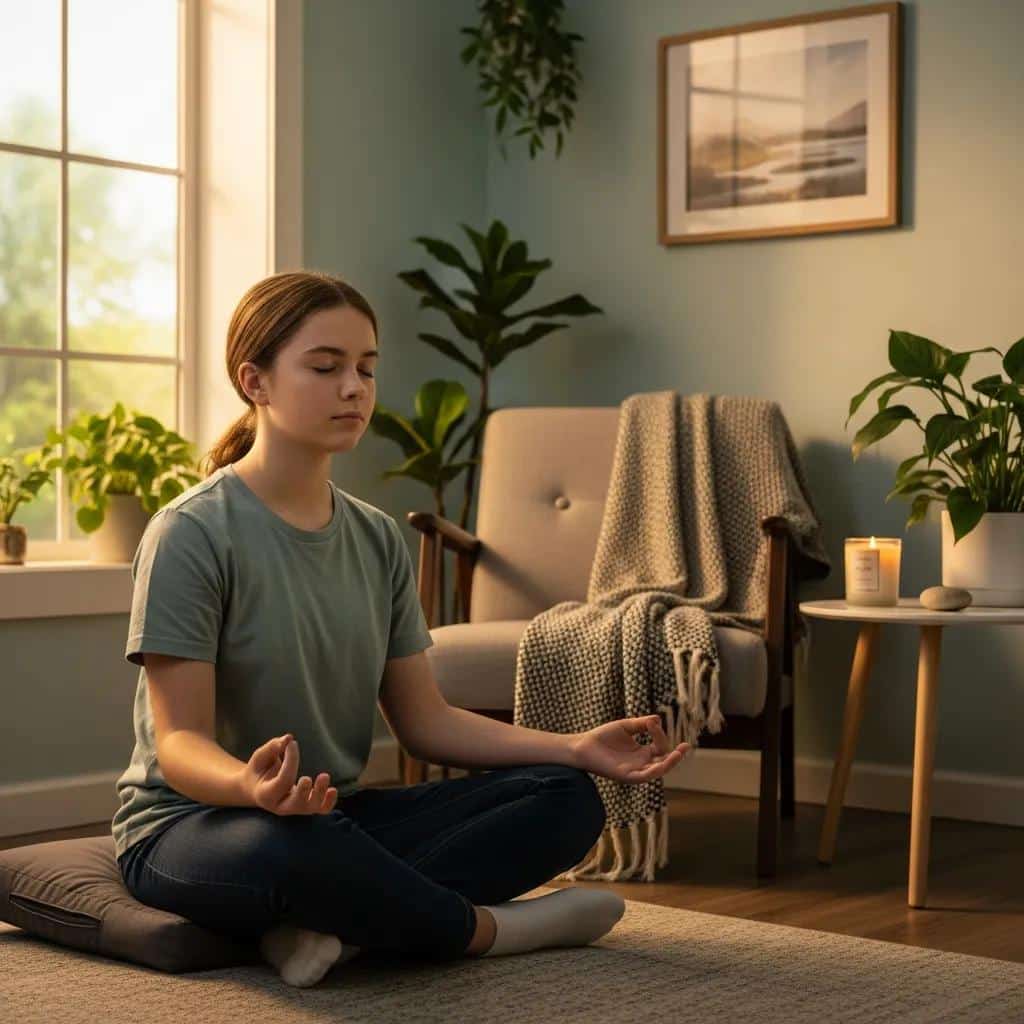
Several mindfulness techniques are integral to MBCT for adolescents, including:
- Body Scan: This technique involves focusing attention on different parts of the body, promoting relaxation and awareness of physical sensations.
- Mindful Journaling: Teens are encouraged to write about their thoughts and feelings, helping them process emotions and gain insights into their mental states.
- Breathing Techniques: Simple breathing exercises help adolescents manage anxiety by grounding them in the present moment and reducing physiological symptoms of stress.
These techniques empower teens to cultivate mindfulness in their daily lives, enhancing their ability to cope with challenges.
What Evidence-Based Clinical Therapies Support Teen Mental Health at Hillside Horizon?
At Hillside Horizon for Teens, a boutique-style residential treatment center, various evidence-based clinical therapies are employed to support adolescent mental health. These therapies are designed to address the unique challenges faced by teens, providing them with effective tools for emotional regulation and personal growth.
How Do Cognitive Behavioral Therapy and Dialectical Behavior Therapy Aid Emotional Regulation?
Cognitive Behavioral Therapy (CBT) and Dialectical Behavior Therapy (DBT) are two primary therapeutic approaches used at Hillside Horizon. CBT focuses on identifying and changing negative thought patterns, which can lead to improved emotional regulation. By teaching teens how to challenge irrational beliefs, CBT helps them develop healthier coping strategies.
DBT, on the other hand, emphasizes the importance of emotional regulation and interpersonal effectiveness. It equips adolescents with skills to manage intense emotions and improve relationships, making it particularly effective for those struggling with self-harm or suicidal ideation. Together, these therapies provide a comprehensive framework for supporting emotional health in teens.
What Role Do Motivational Interviewing and Hypnotherapy Play in Teen Treatment?
Motivational Interviewing (MI) is a client-centered approach that enhances motivation for change by exploring and resolving ambivalence. This technique is particularly useful for adolescents who may be resistant to treatment. MI fosters a collaborative relationship between the therapist and the teen, encouraging open dialogue about their goals and aspirations.
Hypnotherapy is sometimes used as a complementary approach in adolescent mental health treatment. It helps adolescents access their subconscious mind to address underlying issues related to anxiety, trauma, and self-esteem. By facilitating relaxation and focused attention, hypnotherapy can support emotional healing, though it is less commonly employed than other evidence-based therapies.
How Do Holistic Therapies Enhance Outcomes in Teen Mental Health Treatment?
Holistic therapies play a crucial role in enhancing the overall effectiveness of mental health treatment for adolescents. These therapies address the mind, body, and spirit, promoting a comprehensive approach to healing. By integrating holistic practices with clinical therapy, teens can experience improved emotional and physical well-being.
What Benefits Do Yoga, Breathwork, and Adventure Therapy Provide for Youth Anxiety?

Holistic therapies such as yoga, breathwork, and adventure therapy offer unique benefits for managing youth anxiety.
- Yoga: This practice promotes physical health and mental clarity through mindful movement and breath control, helping teens reduce stress and anxiety.
- Breathwork: Techniques that focus on controlled breathing can significantly lower anxiety levels, providing immediate relief during stressful situations.
- Adventure Therapy: Engaging in outdoor activities fosters teamwork and resilience, allowing teens to confront fears and build confidence in a supportive environment.
These holistic approaches complement traditional therapies, creating a well-rounded treatment plan that addresses various aspects of adolescent mental health.
How Do Art, Music, and Equine Therapies Support Emotional Expression and Connection?
Creative therapies, including art, music, and equine therapy, are essential components of holistic treatment at Hillside Horizon. These modalities encourage emotional expression and foster connections between teens and their therapists.
- Art Therapy: Through creative expression, adolescents can explore their feelings and experiences in a non-verbal way, facilitating healing and self-discovery.
- Music Therapy: Engaging with music allows teens to process emotions and connect with others, enhancing their social skills and emotional awareness.
- Equine Therapy: Working with horses helps adolescents develop trust, empathy, and responsibility, promoting emotional growth and interpersonal skills.
These therapies provide valuable outlets for self-expression, enabling teens to connect with their emotions and build meaningful relationships.
What Are the Lasting Benefits of Integrating Clinical Therapy with Mindfulness for Teens?
The integration of clinical therapy with mindfulness practices offers numerous lasting benefits for adolescents. This holistic approach not only addresses immediate mental health concerns but also equips teens with lifelong skills for emotional regulation and resilience.
This integrated approach is increasingly recognized for its potential to significantly improve adolescent mental health outcomes.
Integrating Cognitive Therapy & Mindfulness for Teen Mental Health
Adolescents face increasing mental health challenges such as anxiety, depression, and stress due to social, academic, and developmental pressures. While cognitive therapy is effective in addressing these issues, integrating mindfulness practices may enhance therapeutic outcomes by promoting emotional regulation and reducing psychological distress. However, research on this combined approach for adolescents remains limited. This study evaluates the effectiveness of integrating cognitive therapy and mindfulness in improving adolescent mental health.
Integration of Cognitive Therapy and Mindfulness: Impact on Adolescent Mental Health, LR Putri, 2024
How Does Integrated Therapy Improve Emotional Regulation and Cognitive Focus?
Integrated therapy enhances emotional regulation by combining the structured techniques of clinical therapy with the present-moment awareness fostered by mindfulness. This synergy allows adolescents to develop a deeper understanding of their emotions and thought processes. As a result, they can respond to challenges with greater clarity and focus, leading to improved academic performance and interpersonal relationships.
In What Ways Does This Approach Prevent Relapse and Build Sustainable Wellness?
By equipping teens with effective coping strategies and mindfulness techniques, integrated therapy helps prevent relapse and promotes sustainable wellness. Adolescents learn to recognize early warning signs of emotional distress and implement self-care practices to manage their mental health proactively. This proactive approach fosters a sense of empowerment, enabling teens to navigate life’s challenges with confidence.
How Is Family Involvement Incorporated in the Holistic Mix for Teen Recovery?
Family involvement is a critical component of the holistic treatment approach at Hillside Horizon. Engaging families in the therapeutic process enhances the support system for adolescents, promoting healthier family dynamics and communication.
Why Is Family Support Crucial in Mindfulness and Clinical Therapy Integration?
Research shows that family support significantly impacts treatment outcomes for adolescents. When families are involved in the therapeutic process, teens feel more understood and supported, which can lead to improved engagement in treatment. Family members learn to practice mindfulness techniques alongside their teens, fostering a shared understanding of emotional challenges and coping strategies.
How Does Hillside Horizon Facilitate Family Engagement in Treatment?
Hillside Horizon offers various programs designed to facilitate family engagement in treatment. These include family therapy sessions, educational workshops, and support groups that empower families to participate actively in their teen’s recovery journey. By fostering open communication and collaboration, Hillside Horizon helps families build stronger connections and support their adolescents effectively.
Why Choose Hillside Horizon for Teens’ Integrated Mental Health Treatment in California?
Hillside Horizon for Teens stands out as a premier choice for integrated mental health treatment in California. With a focus on personalized care and a holistic approach, the center provides adolescents with the tools they need to thrive.
What Expertise Does the Hillside Horizon Team Bring to Holistic Teen Therapy?
The team at Hillside Horizon comprises experienced professionals specializing in adolescent mental health. Their expertise in various therapeutic modalities, including clinical therapy and mindfulness practices, ensures that each teen receives comprehensive and tailored care. This multidisciplinary approach allows for a deeper understanding of each adolescent’s unique needs and challenges.
How Does the Residential Setting Support Safe and Compassionate Care?
The residential setting at Hillside Horizon creates a safe and nurturing environment for adolescents. This supportive atmosphere fosters trust and encourages open communication, allowing teens to engage fully in their treatment. With a focus on compassion and understanding, the staff at Hillside Horizon is dedicated to helping each teen achieve lasting mental health and well-being.
The integration of these therapies at Hillside Horizon provides a comprehensive framework for supporting adolescent mental health, ensuring that each teen receives the care they need to thrive.