

Trauma-Informed Care: Why It Is Critical for Teen Mental Health Recovery in California
Trauma-informed care (TIC) is an essential approach in mental health treatment, particularly for adolescents who have experienced trauma. This article explores the significance of TIC in supporting teen mental health recovery, emphasizing its core principles and therapeutic benefits. Understanding trauma-informed care is crucial for parents, educators, and mental health professionals who aim to foster resilience and recovery in young individuals. Many teens face challenges such as anxiety, depression, and PTSD, often stemming from traumatic experiences. TIC offers a compassionate framework that addresses these issues holistically. This article will cover the definition of trauma-informed care, its impact on the adolescent brain, effective therapies, holistic approaches, family involvement, and the benefits of residential treatment options available in California.
What Is Trauma-Informed Care and Why Does It Matter for Teens?
Trauma-informed care is a framework that recognizes the widespread impact of trauma and emphasizes creating a safe environment for healing. It matters for teens because it acknowledges their unique experiences and the effects of trauma on their mental health. TIC promotes understanding, empathy, and support, which are vital for effective recovery. By integrating trauma awareness into treatment, mental health professionals can better address the needs of adolescents.
How Does Trauma-Informed Therapy Support Teen Mental Health Recovery?
Trauma-informed therapy employs various techniques that focus on safety, trust, and empowerment. These therapeutic approaches help teens process their experiences and develop coping strategies. For instance, cognitive-behavioral therapy (CBT) can assist in reframing negative thoughts associated with trauma, while mindfulness practices promote emotional regulation. Studies have shown that teens engaged in trauma-informed therapy often report improved emotional well-being and resilience.
What Are the Core Principles of Trauma-Informed Care for Adolescents?
The core principles of trauma-informed care include safety, trustworthiness and transparency, peer support, collaboration and mutuality, empowerment, voice and choice, and cultural, historical, and gender issues. These principles guide the therapeutic process, ensuring that adolescents feel secure and understood. For example, creating a safe space allows teens to express themselves without fear of judgment, fostering a sense of trust that is essential for healing. Empowerment encourages teens to take an active role in their recovery, enhancing their self-efficacy and resilience.
How Does Trauma Impact the Adolescent Brain and Behavior?
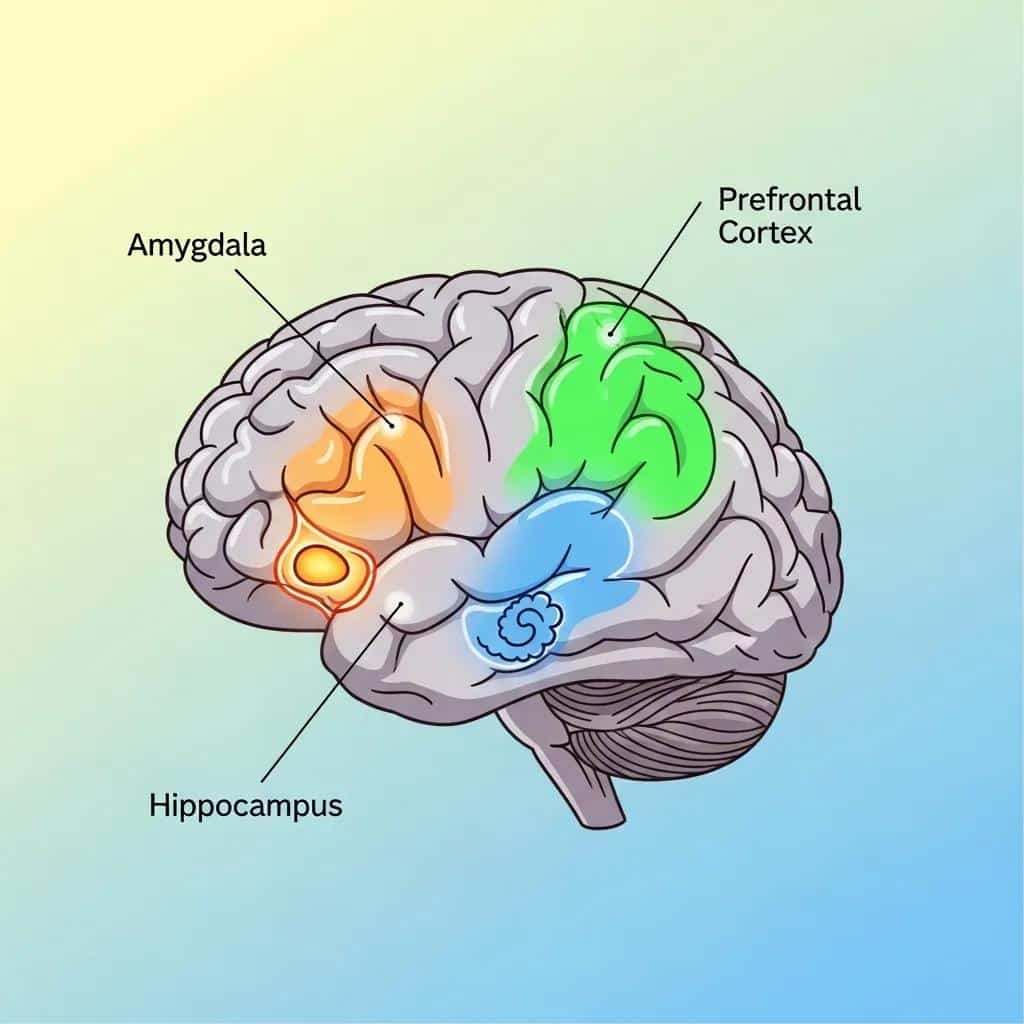
Trauma can significantly alter brain development and behavior in adolescents. Understanding these effects is crucial for effective intervention and support. Neurobiological changes due to trauma can lead to difficulties in emotional regulation, impulse control, and social interactions.
Which Brain Regions Are Affected by Trauma in Teens?
Trauma primarily affects the amygdala, hippocampus, and prefrontal cortex. The amygdala, responsible for processing emotions, can become hyperactive, leading to heightened anxiety and fear responses. The hippocampus, which plays a role in memory formation, may shrink, impacting the ability to recall and process experiences. The prefrontal cortex, essential for decision-making and impulse control, can also be compromised, resulting in behavioral challenges.
What Are Common Signs and Symptoms of Trauma in Teenagers?
- Emotional Symptoms: Anxiety, depression, mood swings, and irritability.
- Behavioral Symptoms: Withdrawal from social activities, aggression, and changes in academic performance.
- Physical Symptoms: Sleep disturbances, fatigue, and unexplained aches or pains.
Recognizing these symptoms is crucial for timely intervention and support.
What Evidence-Based Trauma Therapies Are Effective for Youth?
Several evidence-based trauma therapies have proven effective in treating adolescents. These therapies focus on addressing the root causes of trauma and promoting healing.
How Does Trauma-Focused Cognitive Behavioral Therapy Help Teens?
Trauma-Focused Cognitive Behavioral Therapy (TF-CBT) is a structured approach that combines cognitive-behavioral techniques with trauma-sensitive interventions. It helps teens process their trauma, develop coping skills, and reduce symptoms of PTSD. Research indicates that TF-CBT significantly improves emotional and behavioral outcomes for adolescents, making it a cornerstone of trauma treatment.
What Role Do EMDR and DBT Play in Teen Trauma Treatment?
Eye Movement Desensitization and Reprocessing (EMDR) and Dialectical Behavior Therapy (DBT) are also effective in trauma treatment. EMDR helps teens reprocess traumatic memories, reducing their emotional charge. DBT, on the other hand, focuses on teaching emotional regulation and interpersonal effectiveness, which are crucial for teens struggling with intense emotions and relationship challenges. Both therapies can be integrated into a comprehensive treatment plan for adolescents.
How Do Holistic Approaches Enhance Trauma Recovery for Teens?
Holistic approaches to trauma recovery recognize the interconnectedness of mind, body, and spirit. These therapies complement traditional methods and provide additional support for healing.
What Benefits Do Equine, Art, and Music Therapies Offer for Trauma?
Equine therapy, art therapy, and music therapy offer unique benefits for trauma recovery. Equine therapy fosters trust and emotional connection through interactions with horses, promoting emotional healing. Art therapy allows teens to express their feelings creatively, facilitating communication and self-discovery. Music therapy can enhance emotional expression and provide a sense of community, helping teens connect with others who share similar experiences.
How Do Mindfulness, Breathwork, and Adventure Therapy Support Healing?

Mindfulness, breathwork, and adventure therapy are also valuable holistic approaches. Mindfulness practices help teens develop awareness and acceptance of their thoughts and feelings, reducing anxiety and stress. Breathwork techniques can promote relaxation and emotional regulation. Adventure therapy, involving outdoor activities and challenges, fosters teamwork and resilience, encouraging teens to step outside their comfort zones and build confidence.
What Role Do Families Play in Trauma-Informed Care for Teens?
Family involvement is a critical component of trauma-informed care. Engaging families in the treatment process enhances support and understanding for the adolescent.
How Can Family Therapy Support Teen Trauma Recovery?
Family therapy can provide a safe space for open communication and healing. It helps family members understand the impact of trauma on their loved one and fosters a supportive environment for recovery. Techniques used in family therapy, such as communication skills training and conflict resolution, can strengthen family dynamics and promote healing.
What Are Strategies for Creating a Trauma-Sensitive Home Environment?
- Establishing Routines: Consistent daily routines provide stability and predictability.
- Open Communication: Encouraging open dialogue about feelings and experiences fosters trust.
- Safe Spaces: Designating areas in the home for relaxation and reflection can help teens feel secure.
These strategies can significantly enhance the recovery process for adolescents.
Why Choose Residential Treatment for Teen Trauma in California?
Residential treatment offers a structured and supportive environment for teens struggling with trauma. It provides intensive therapeutic interventions and a community of peers facing similar challenges.
What Are the Benefits of Residential Programs for Trauma Recovery?
- Structured Environment: A safe and predictable setting that promotes healing.
- Access to Specialized Therapies: Comprehensive treatment options tailored to individual needs.
- Supportive Community: Opportunities for peer support and connection, reducing feelings of isolation.
These elements create a conducive atmosphere for recovery and personal growth.
How Does Hillside Horizon Provide Personalized Trauma-Informed Care?
Hillside Horizon for Teens specializes in personalized trauma-informed care, focusing on the unique needs of each adolescent. The center integrates evidence-based therapies with holistic approaches, ensuring a comprehensive treatment plan. Family involvement is prioritized, fostering collaboration and support throughout the recovery journey. By addressing both the psychological and emotional aspects of trauma, Hillside Horizon empowers teens to reclaim their lives and build resilience.
Evidence-Based Trauma Therapies Comparison
Different trauma therapies offer unique benefits and approaches to treatment. The following table compares some of the most effective therapies for youth.
This comparison highlights the diverse approaches available for treating trauma in adolescents, emphasizing the importance of tailored interventions.
Holistic Approaches to Trauma Recovery
Holistic therapies can enhance traditional trauma treatment by addressing the whole person. The following table outlines various holistic approaches and their benefits.
These holistic approaches complement traditional therapies, providing additional avenues for healing and recovery.
Family Involvement in Trauma-Informed Care
Family support is crucial in trauma recovery. The following table outlines strategies for involving families in the treatment process.
These strategies can significantly improve the effectiveness of trauma-informed care for adolescents, promoting a supportive environment for recovery.