
01
In Sessions
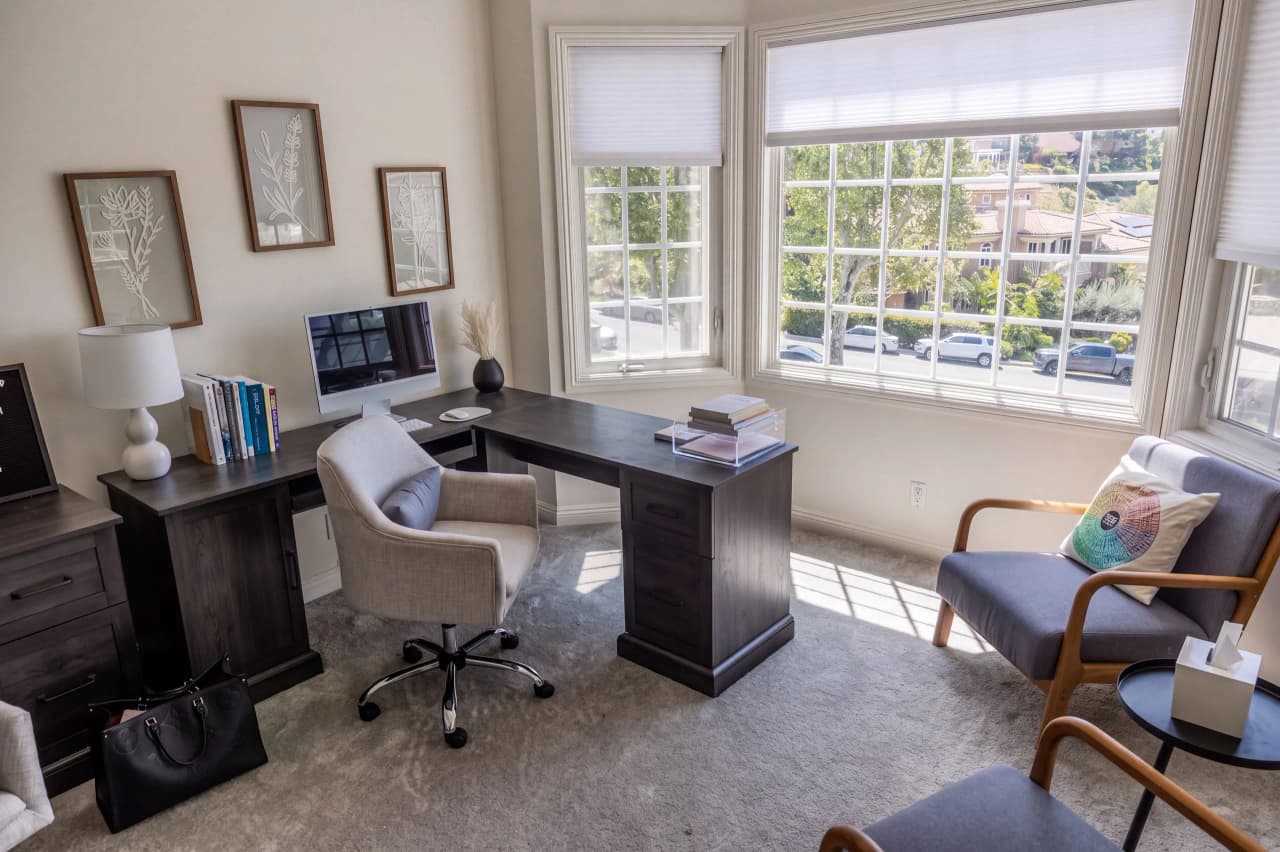
Open questions, reflecting back what we heard, and rating scales take the place of the speech. Our therapist stays curious, and your teen does most of the talking.
Many teens arrive because a parent decided, and lecturing them about why they should want treatment can teach them to say what you want to hear. We work with their mixed feelings directly instead.
Clinically reviewed by Alejandro Alva, M.D., Medical Director.


What this is
Motivational interviewing is how we engage a teen who did not choose this stay. It is also used when a teen is facing substance use they are not ready to give up, or a shutdown that can look like defiance. We do not sell the program or try to win the argument. We listen for a reason that already belongs to your teen, then build the week around it.
When your teen has not bought in yet
That is often true, and arguing about it can use up the first two weeks. We ask what would make these weeks worth something to your teen, so they have a reason of their own to take part.
This can look like cannabis, vaping, or a weekend habit your teen still defends. Confronting it head-on can teach a teen to hide it, so we keep both sides of the question open.
Exposure work, school, or a family session your teen will not try tells us something useful. We work with the resistance and do not talk over it.
Part of your teen may want help while another part wants the old life back. We give both parts room to speak, because rushing the willing part can push the other part into hiding.
The harder you push, the harder many teens resist, until the argument can feel like the whole relationship. Family sessions teach an approach that leaves room for a real yes.
Motivation that belongs only to the staff can fade on discharge day. A reason that is truly your teen's has a better chance of lasting through the first weekend home.
How it works
Therapy sessions stay curious, parents set the debate aside, and house staff ask what would make showing up worth it to your teen.
01
Open questions, reflecting back what we heard, and rating scales take the place of the speech. Our therapist stays curious, and your teen does most of the talking.
02
Parents practice an approach that does not restart the same argument at drop-off. The goal is a real yes from your teen, not winning the conversation.
03
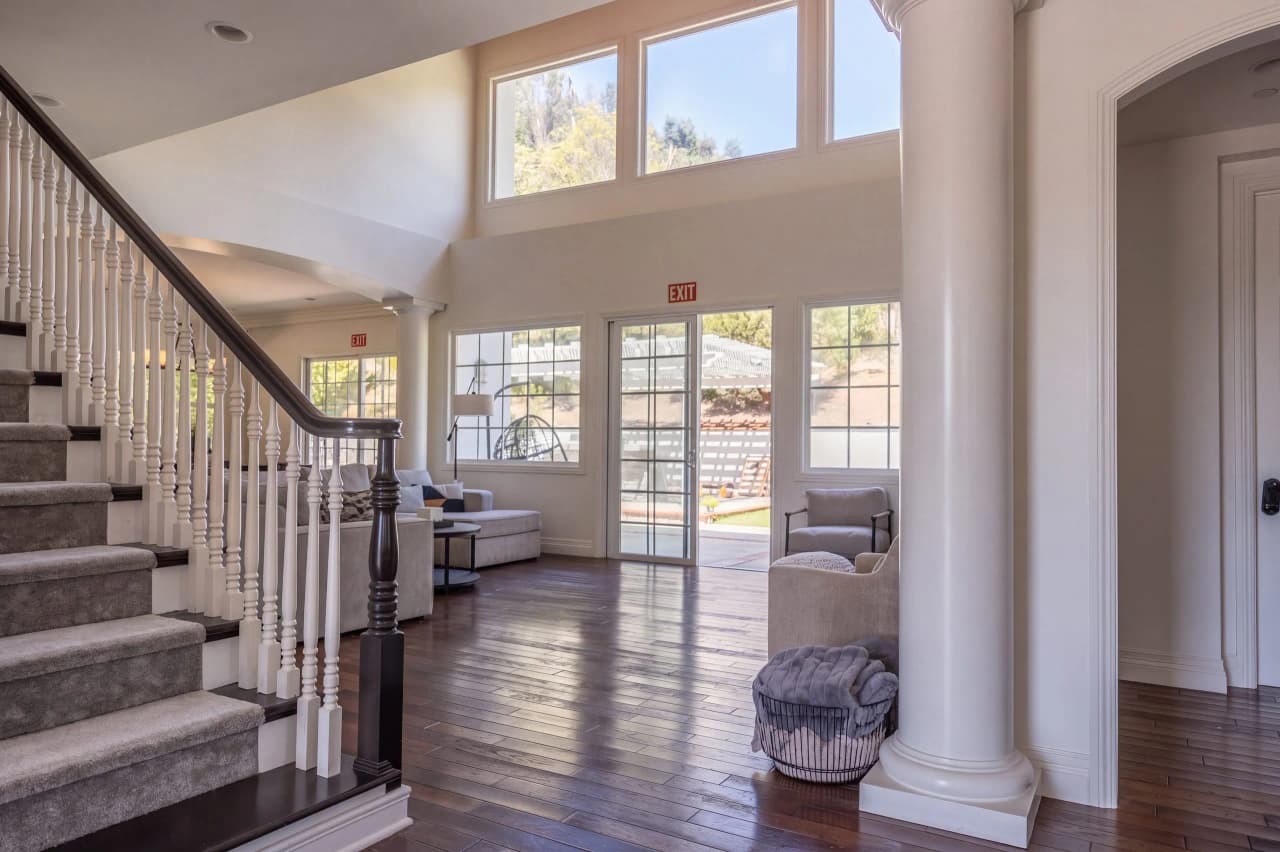
Our staff do not argue a teen into walking into group. They ask what would make attending worth it to your teen, and everyone in the house uses the same approach.
Our approach
Each method is chosen for substance use, shutdown, and teens who have not bought in, not added because we know the technique.
We discuss the part of your teen that wants to change and the part that does not. We do not rush one part or press the other into a fake agreement.
A sport, a friendship, or something they want for their future is often already there. We listen until we hear it, then build the week around it, giving your teen a reason to stay engaged.
Pushing a teen often leads to pushing back, which is why arguing is not our method. We work alongside the resistance and keep the conversation going.
Thought work and skills training still need a teen who is willing to try them. This approach helps make that possible, and it does not replace the rest of the plan.
A depression that will not lift can look a lot like not caring. We consult psychiatry when needed, because we want to avoid mistaking an illness for refusal.
Your part
A teen who did not choose treatment is hard to argue into wanting it. Family sessions teach a different approach, so the motivation that goes home with your teen is their own.
Convince them they need this stay.
A speech about their future often does not land once a teen has dug in. A question about what they want can sometimes open a real yes.
Keep the debate going until they fold.
Winning the argument can teach your teen to say yes just to end it. Family sessions practice a shorter request, followed by a quiet pause instead of a lecture.
We will write their rules for the first weekend.
A plan your teen helped write often travels home better than a list of your rules. We draft it with your teen before discharge.
Length of stay
30
days in residence, by progress
Most stays that need this approach run one to three months, timed to a motivation that can last.
90
This approach runs from week one, especially with a teen who did not choose to come. Thirty to ninety days is often enough time for a teen to find a reason that can last once they are home. Aftercare means a next clinician who also will not try to argue your teen into wellness.
When to call
If your teen will not come, comes but does not take part, or substance use is still the argument at home, we're here to help. Aaron Earnest and the admissions team will be honest about whether we can work with that. If substance use and mood are both in play, our dual diagnosis page is a better place to start.
Before you call
FAQ
Answers to what parents often ask about motivational interviewing in our program. If your question is not here, admissions can talk it through with you.
Motivational interviewing is how we engage a teen who did not choose this stay. We do not sell the program or try to win the argument. We listen for a reason that already belongs to your teen, then build the week around it.
We also use it when a teen is facing substance use they are not ready to give up, like cannabis, vaping, or a weekend habit. Confronting it head-on can teach a teen to hide it, so we keep both sides of the question open.
This approach runs from week one, especially with a teen who did not choose to come. The first two weeks focus on finding a reason that is truly your teen's, with no pressure for buy-in.
Family sessions teach an approach that leaves room for a real yes, without restarting the same argument at drop-off. You practice a shorter request, followed by a quiet pause instead of a lecture. Your teen helps write the weekend plan before discharge, so the plan is their own.
This approach does not replace the rest of the plan. Thought work and skills training still need a teen who is willing to try them, and this approach helps make that possible. If substance use and mood are both in play, our dual diagnosis page is a better place to start.