
When we talk about neurodivergence—autism spectrum disorder, ADHD, dyslexia, dyspraxia, and related conditions—the conversation often centers on boys. Yet adolescent girls and young women experience these same conditions, frequently without recognition until their late teens or adulthood. At Hillside Horizon for Teens, we see this gap every day in our residential mental health program in California.
The statistics are striking. For every woman diagnosed with autism, three to six men receive the same diagnosis. Many women with ADHD aren’t identified until their late 30s or early 40s, while boys typically receive an autism diagnosis or ADHD identification around age 7. This gender gap isn’t because neurodivergent girls don’t exist—it’s because the diagnostic criteria and clinical training were built around how boys present symptoms.
Adolescence creates what we call a “perfect storm” for missed diagnoses in girls:
- Puberty brings hormonal shifts that amplify sensory sensitivities, mood instability, and executive functioning challenges
- Secondary school environments introduce crowded hallways, shifting timetables, and complex social hierarchies
- Social media platforms like Instagram and TikTok intensify comparison and pressure to conform
- Friendship dynamics evolve rapidly, requiring sophisticated social navigation that exhausts neurodivergent teens
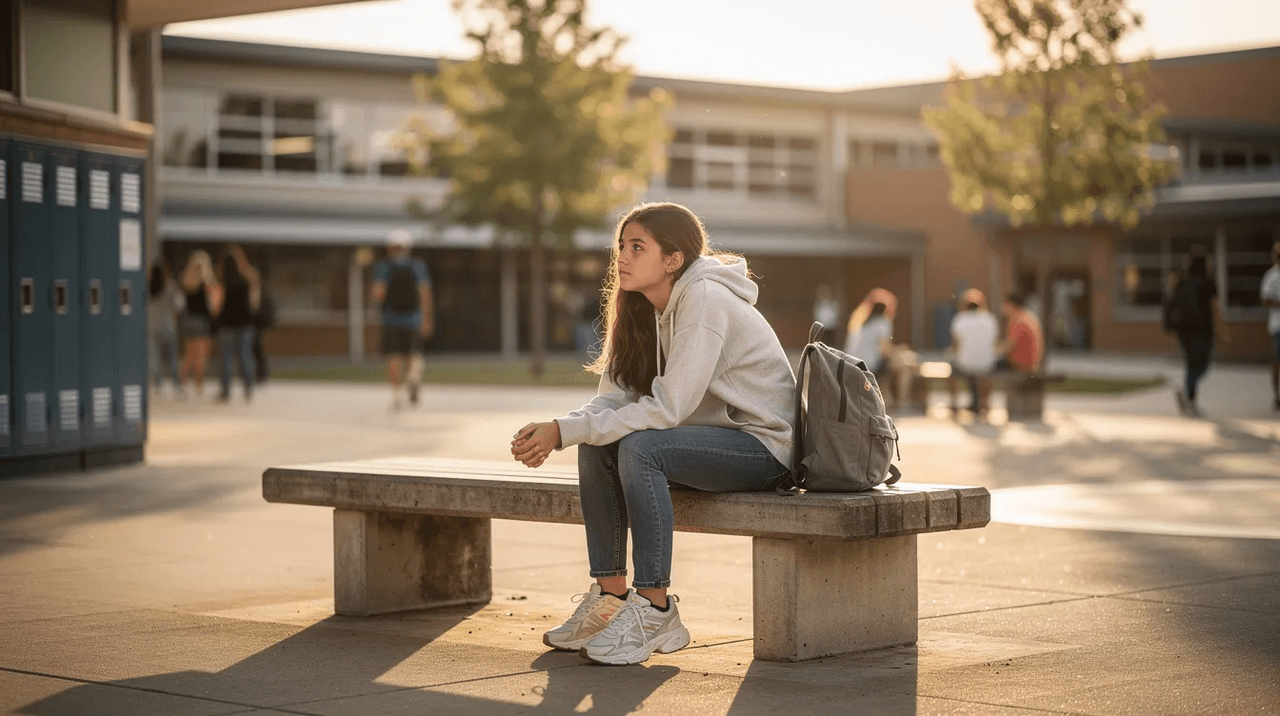
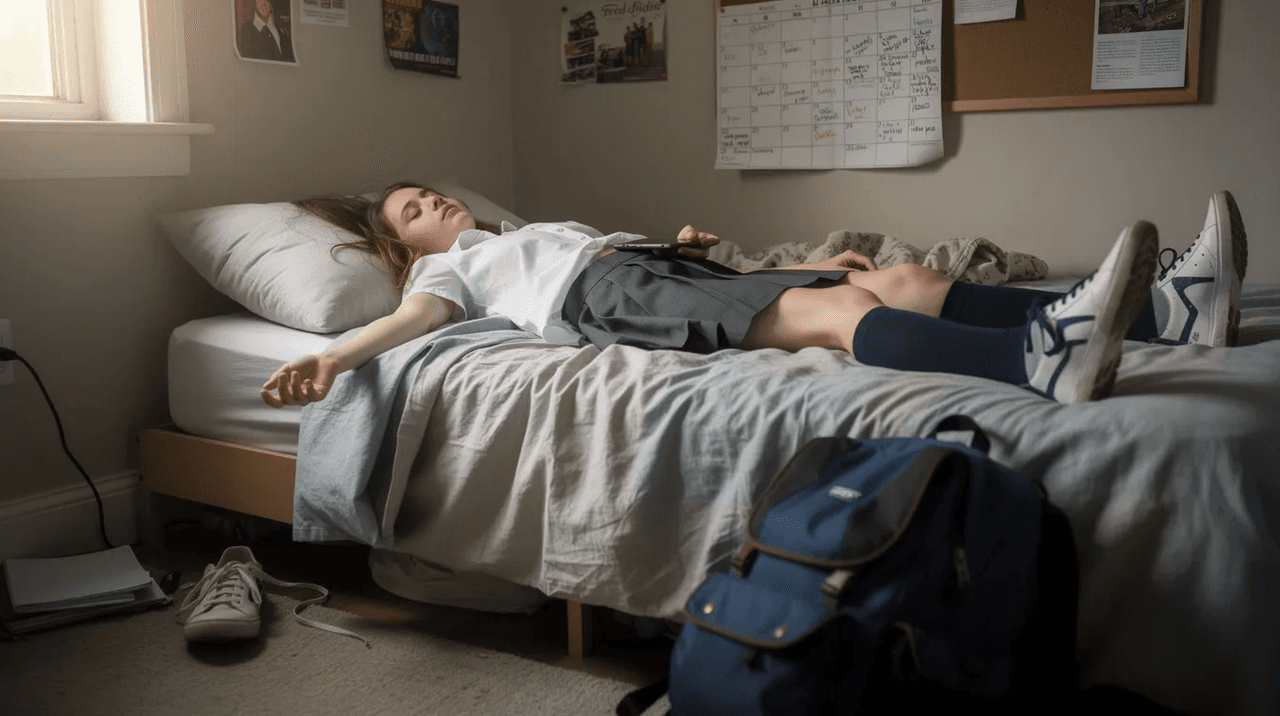
The result? Many neurodivergent girls mask symptoms throughout the school day, only to collapse at home. Parents see post-school meltdowns or shutdowns, while teachers see a “polite, high-achieving” student. This disconnect delays recognition and leads to poor mental health outcomes that could have been prevented.
This article focuses on the concrete realities facing teen girls from middle school through high school. We’ll explore how neurodivergence presents differently in adolescent women, why masking is so exhausting, and what families can do to get accurate diagnoses and proper support.
How Neurodivergence Shows Up Differently in Adolescent Girls
Previous research and clinical tools for identifying autism and ADHD were developed primarily by studying boys. The diagnostic and statistical manual criteria reflect externalized behaviors—hyperactivity, disruptive outbursts, rigid obsessions with stereotyped topics like trains or numbers. Girls tend to present very differently.
Quieter Presentations That Fly Under the Radar
Autistic girls often show what clinicians call “internalized” rather than “externalized” profiles. Instead of obvious social difficulties, they may:
- Appear shy or reserved rather than disconnected
- Have one or two close friendships rather than complete social isolation
- Show intense interest in socially acceptable topics (K-pop groups, animal welfare, specific book series) rather than stereotyped interests
- Mask autism symptoms in public but experience intense overwhelm privately
Girls with ADHD frequently present with the inattentive type rather than the hyperactive type. Teachers describe them as “daydreamy” or “spacey” rather than disruptive. They lose track of conversations, forget assignments, and struggle with organization—but they’re not bouncing off walls.
What This Looks Like in Real Life
Consider these scenarios we commonly see at Hillside Horizon:
- The straight-A student who maintains perfect grades through sheer willpower but collapses into tears or complete shutdown the moment she gets home. Her executive dysfunction means homework takes four hours instead of one, but teachers only see the final product.
- The chatty social butterfly who dominates conversations about her specific interests. Adults perceive her as extroverted and engaged, not recognizing that her “chattiness” is actually autistic hyperfocus rather than typical social interaction.
- The perfectionist who turns in flawless work but experiences paralyzing anxiety before every assignment. Her “all-or-nothing” study patterns and extreme test anxiety are attributed to being “a worrier” rather than signs of underlying neurodivergence.
Co-Occurring Conditions Overshadow the Root Cause
Research suggests that neurodivergent girls experience anxiety at significantly higher rates than autistic boys—up to 40-50% of autistic girls struggle with clinical anxiety. Depression symptoms emerge from chronic masking. Eating disorders develop from sensory aversions to food textures combined with body image pressures. Self-harm rates are elevated.
These co-occurring conditions often present first to clinicians, leading to misdiagnosis. A teen arrives for treatment of anxiety or depression, and the underlying autism or ADHD goes unrecognized for years. The extant literature confirms this pattern: many girls receive multiple mental health diagnoses before anyone considers neurodivergence.
Camouflaging and Masking: The Hidden Effort of “Passing”
Camouflaging—also called masking—refers to the conscious or unconscious strategies neurodivergent people use to appear neurotypical. This includes suppressing stims (self-stimulatory behaviors like fidgeting or rocking), rehearsing conversation scripts, forcing eye contact, and mimicking peers’ fashion, slang, and behavior. Research with 11-14 year old neurodivergent girls shows that camouflaging strategies develop early and remain stable over time, with camouflaging scores strongly correlating with anxiety and depression symptoms.
What Masking Actually Looks Like
At Hillside Horizon, our clinicians observe these specific masking behaviors in teen girls:
- Scripting conversations: Rehearsing what to say before social interactions, sometimes spending hours planning responses to group chat messages
- Forcing eye contact: Consciously making eye contact despite discomfort, often counting seconds or looking at eyebrows instead
- Fashion mimicry: Adopting TikTok trends, hairstyles, or slang to blend in, even when these choices feel uncomfortable or inauthentic
- Suppressing stims: Sitting on hands, pressing fingernails into palms, or finding covert ways to stim (hair twirling, foot tapping under the desk)
- Laughing along: Joining in laughter during conversations they don’t understand, particularly when sarcasm or social cues are missed
The Cost of “Passing”
The exhaustion from maintaining these facades is profound. Many neurodivergent young people experience what’s called autistic or ADHD burnout—a state of chronic fatigue that goes far beyond typical tiredness.
Signs of masking-related burnout include:
- Complete shutdown after school (going straight to bed, refusing to speak)
- Explosive outbursts at home that seem disproportionate to triggers
- Long naps that don’t feel restorative
- Avoiding social plans on weekends despite appearing social at school
- Increased irritability with family members who are “safe” to drop the mask around
Longitudinal studies following 119 girls confirmed that neurodivergent girls feel significantly more like they’re “pretending to fit in” compared to neurotypical peers. This wasn’t a small statistical difference—the strong relationship between camouflaging and mental health scores persisted across the 10-month study period.
The cruel irony is that successful masking delays diagnosis. When adults only see the composed, compliant version of a girl at school, they miss the overwhelm she experiences in private. Many women struggling with undiagnosed neurodivergence report that teachers and parents dismissed their difficulties because they “seemed fine.”
Puberty, Hormones, and Mental Health in Neurodivergent Teens
Hormonal fluctuations from ages 10-18 amplify existing neurodivergent traits. Sensory sensitivities intensify, mood regulation becomes harder, and executive functioning challenges worsen. For girls already struggling to manage neurodivergence, puberty can feel like the ground shifting beneath them.
Menstrual Cycle Impacts
The menstrual cycle introduces a whole category of challenges that are often dismissed as “normal teen drama”:
- Sensory aversions: Texture sensitivities make certain pads or tampons intolerable; seams on underwear become unbearable during periods
- Tracking difficulties: ADHD-related challenges with organization and time awareness make predicting cycles nearly impossible
- Increased meltdowns: Pre-menstrual phases often trigger more frequent or intense shutdowns, irritability, or emotional dysregulation
- PMDD symptoms: Some autistic and ADHD teens experience symptoms consistent with premenstrual dysphoric disorder, but these are misread as behavioral issues
Puberty Timing Adds Another Layer
Research shows neurodivergent girls exhibit more variation in puberty timing—some experience earlier menarche (average around 11.65 years, but with wider spread than neurotypical girls), while others develop later. This variability creates additive risk factors:
- Earlier development in middle school increases bullying risk and unwanted attention
- Later development intensifies feelings of social difference when peers are comparing notes
- Either extreme can heighten isolation during a developmental period when fitting in feels crucial
Sleep, Screens, and Body Image
The intersection of puberty with neurodivergent traits creates a cascade of challenges:
- Sleep disruption: Hormonal shifts affect sleep quality, compounding sensory issues and irregular routines common in ADHD
- Social media comparison: Instagram and TikTok fuel body image concerns; sensory sensitivities around clothing and appearance intensify self-consciousness
- Energy levels plummet: The combination of hormonal changes, masking exhaustion, and sleep problems leaves teens running on empty
At Hillside Horizon, we frequently see teens report that their struggles “got so much worse” around ages 12-14, coinciding with puberty onset. What was manageable in elementary school becomes overwhelming as hormones amplify every challenge.
School Years: Academic Pressure, Social Rules, and Misdiagnosis
Middle and high school serve as the primary arena where neurodivergent girls’ struggles become visible—or remain hidden through sheer force of will. The school environment introduces sensory challenges, social complexity, and academic demands that overwhelm neurodivergent teens in ways their neurotypical peers may never experience.
The Sensory Assault of Secondary School
Consider what a typical school day involves:
- Crowded hallways between classes with unpredictable physical contact
- Loud cafeterias with overlapping conversations and clattering trays
- Fluorescent lighting that flickers at frequencies most people don’t notice
- Shifting timetables with different rooms, teachers, and expectations each period
- Group projects requiring negotiation, compromise, and reading social cues
For a teen with sensory sensitivities and executive functioning challenges, this environment is exhausting before any actual learning happens.
Decoding the Unwritten Social Rules
Social challenges in adolescence go far beyond basic conversation skills:
- Group chat politics: Being dropped from a text thread without explanation, missing inside jokes, or responding “wrong” and not knowing why
- Friendship hierarchies: Understanding who is actually friends with whom, detecting fake friendliness, and navigating shifting alliances
- Sarcasm and subtext: Taking things literally when others are joking, or missing when someone is being mean in a socially acceptable way
- Lunch table rules: Knowing where to sit, when it’s okay to join a group, and how to handle rejection
These missed opportunities for social learning compound over time. By high school, the gap between neurodivergent girls and neurotypical peers may feel insurmountable.
Hidden Academic Struggles
High IQ or perfectionism can mask significant academic challenges:
- Spending hours on homework that takes other students 30 minutes due to executive dysfunction
- Chronic lateness with assignments despite genuine effort
- Extreme test anxiety that causes freeze responses or blank minds
- “All-or-nothing” study patterns—either hyperfocusing on one subject or completely avoiding work
- Selective interests that clash with required curricula
Teachers praise quiet, compliant girls who turn in good work. They don’t see the tears, the all-nighters, or the meltdowns at home. This leads to late diagnosis in late teens or early 20s, after years of worse mental health and damaged self esteem.
Common Misdiagnoses
When neurodivergent girls do come to clinical attention, they’re often diagnosed with:
- Generalized anxiety disorder
- Depression
- Oppositional defiant disorder (when burnout manifests as refusal)
- Social anxiety
- School refusal or school phobia
These diagnoses aren’t necessarily wrong—the anxiety symptoms and depression symptoms are real. But they describe secondary conditions that developed from unrecognized neurodivergence. Without addressing the root cause, treatment has limited effectiveness.

Intersectionality: Culture, Gender Identity, and Sexuality
Not all adolescent girls share the same experience of neurodivergence. Race, culture, LGBTQ+ identity, and socioeconomic status all shape how symptoms are perceived, whether families seek assessment, and what support is available. These intersectional risk factors compound the challenges neurodivergent girls already face.
Cultural Expectations Shape Recognition
- Some communities view quiet, compliant behavior as ideal in girls—traits that may actually be masking get praised rather than investigated
- Other cultures may interpret internalized distress as disrespect or defiance, leading to punishment rather than support
- Girls of color receive fewer referrals for autism and ADHD assessment due to clinician bias and different presentation expectations
- Language barriers with clinicians can prevent accurate history-taking and symptom description
Gender and Sexuality Questioning
Autistic people are more likely than the general population to question gender identity and sexuality. For adolescent autistic girls, this may mean:
- Exploring gender identity in ways that confuse or concern unsupportive families
- Feeling different from peers in multiple overlapping ways
- Experiencing additional stress if school environments are not affirming
- Facing rejection from multiple directions simultaneously
Access Barriers
Low-income families face structural barriers to diagnosis and care:
- Long waitlists for specialists who accept insurance
- Limited availability of clinicians trained in female neurodivergent presentations
- Inability to pay for private assessments that might be faster or more comprehensive
- Transportation challenges for appointments
- Parents unable to take time off work for evaluations
At Hillside Horizon, we work with neurodivergent mothers and families from diverse backgrounds across California, and we see how these factors delay recognition and intensify harm.
Getting an Accurate Diagnosis in Adolescence
Many girls arrive at Hillside Horizon initially seeking help for anxiety, depression, self-harm, or school refusal. Only through comprehensive assessment does underlying neurodivergence emerge. This pattern reflects a broader diagnostic challenge: the conditions that bring teens to treatment often mask the neurodivergence driving them.
Practical Steps for Families
If you suspect your daughter might be neurodivergent, consider these preparation strategies:
- Track behaviors across settings: Document how she functions at home, at school, online, and with different people. Note significant differences between environments.
- Gather historical evidence: Pull out old report cards and teacher comments. Phrases like “daydreamer,” “needs to participate more,” or “bright but doesn’t apply herself” may be early signs.
- Write concrete examples: List specific struggles and strengths with dates and contexts. “Gets overwhelmed at birthday parties” is more useful than “struggles socially.”
- Note family history: Many neurodivergent conditions run in families. Consider whether parents, siblings, or extended family members show similar traits.
What Comprehensive Assessment Should Include
A thorough adolescent evaluation typically involves:
- Clinical interview with the teen and caregiver(s) separately and together
- Standardized rating scales (e.g., ADOS-2 for autism, Conners scales for ADHD)
- Mental health screening for anxiety, depression, and other conditions
- School reports and observations from teachers
- Developmental history from birth through present
- Review of any previous assessments or diagnoses
The statistical manual criteria are only a starting point—skilled clinicians recognize that girls present differently and adjust their evaluation accordingly.
Timing and Impact
Current patterns show that girls typically seek diagnosis in their mid-to-late teens (ages 14-18), compared with early elementary school for boys. This late diagnosis has real consequences:
- Years of struggling without adequate support
- Internalized belief that difficulties are personal failures
- Missed opportunities for early intervention
- Damage to self-esteem that takes years to repair
At Hillside Horizon for Teens, we can collaborate with outside diagnostic providers and integrate new diagnoses into each teen’s treatment and school support plan. Whether a diagnosis comes before or during residential treatment, we ensure it shapes the care your daughter receives.
Evidence-Informed Treatment and Support at Hillside Horizon for Teens
Hillside Horizon for Teens is a residential mental health program tailored to adolescents (typically ages 12-17) in California. We have extensive experience supporting autistic women, ADHD girls, and other neurodivergent teens whose needs have been missed or inadequately addressed in other settings.
Individualized Plans Around Neurotype
We don’t use one-size-fits-all approaches. Treatment plans are individualized based on each teen’s specific neurodivergent profile:
- Slower transitions between activities with advance warning
- Clear routines that provide predictability without rigidity
- Visual supports including schedules, checklists, and written instructions
- Flexible communication options for teens who struggle with verbal processing
- Sensory accommodations including quiet spaces, fidget access, and clothing flexibility
- Predictable daily structures that reduce masking load
Therapy Modalities
Our clinical team uses evidence-informed approaches adapted for neurodivergent teens:
- CBT for autism/ADHD: Cognitive behavioral therapy modified to account for different thinking styles and processing patterns
- DBT skills: Dialectical behavior therapy for emotion regulation, distress tolerance, and reducing self-harm
- Social communication coaching: Building authentic social skills rather than scripted masking
- Psychoeducation: Teaching teens about their own neurology, normalizing their experiences, and reducing shame about masking and burnout
School-Related Supports
Academic challenges don’t disappear during residential treatment. We work with families and schools to:
- Coordinate with IEP/504 teams to ensure appropriate accommodations
- Plan for specific supports: extended time, quiet testing spaces, reduced homework loads
- Address executive functioning challenges with concrete strategies
- Prepare for gradual re-entry after residential care with realistic expectations
- Advocate for accommodations that reduce masking demands
Family Involvement
Neurodivergent mothers and fathers learn alongside their daughters. Our parent coaching includes:
- Using validation instead of criticism when teens are struggling
- Recognizing masking behaviors and understanding what they cost
- Implementing concrete strategies for morning routines, homework battles, and conflict de-escalation
- Adjusting expectations based on neurotype rather than what “should” work
- Supporting well being without fixing or pathologizing differences
Practical Coping Strategies for Neurodivergent Teen Girls and Their Families
Struggle is normal, especially when you’re navigating the world with a brain that works differently than what schools and society expect. Small, consistent changes can significantly reduce distress in daily life. Here are concrete strategies we teach at Hillside Horizon—many of which you can start implementing today.
Self-Regulation Tools for Teens
- Build a sensory kit: Keep earplugs or noise-canceling headphones, fidget tools, a favorite hoodie, and sunglasses accessible for overwhelming situations
- Schedule downtime: Block 30-60 minutes after school for decompression before any demands (no questions about homework, no social obligations)
- Use body-doubling: Study or do chores alongside someone else—their presence can help with focus without requiring interaction
- Break tasks into chunks: Use timers (Pomodoro technique), apps, or visual checklists to make large assignments feel manageable
- Create exit strategies: Know how to leave overwhelming situations gracefully (pre-planned excuses, text signals to parents)
Social Strategies
- Practice scripts: Rehearse phrases for hard conversations, declining invitations, or asking for help
- Identify safe people: Find one or two trusted individuals at school who understand your needs
- Set boundaries around group chats: Mute notifications, check at scheduled times, and remember you don’t have to respond instantly
- Recognize overwhelm signals: Learn your own warning signs (irritability, difficulty thinking, physical tension) and leave situations before meltdown
Parent Strategies
- Use visual schedules: Post routines for mornings, homework time, and evenings where your daughter can see them
- Give advance warning: Announce transitions 10-15 minutes before they happen (“We’re leaving in 10 minutes”)
- Allow decompression first: Resist asking about school or homework immediately after pickup
- Don’t criticize stimming or special interests: These are regulation tools, not problems to fix
- Validate before problem-solving: Reflect emotions back before offering solutions
When to Seek Higher Levels of Care
Consider residential treatment like Hillside Horizon’s program when:
- Self-harm persists despite outpatient therapy
- Suicidal thoughts or plans are present
- School refusal extends beyond occasional bad days
- Severe shutdowns don’t improve with current support
- The family system is overwhelmed and needs respite
- Outpatient providers recommend stepped-up care

Looking Ahead: Early Support, Self-Understanding, and Hope
Neurodivergence in adolescent women is real, common, and far too often overlooked. But earlier recognition changes everything. When neurodivergent girls receive proper support during their teenage years, mental health outcomes improve dramatically. The co production work happening between researchers, clinicians, and lived experience advocates is shifting how we understand and support this population.
The participatory methods approach—including neurodivergent young people in proposed research questions and research priorities—is reshaping the field. This co production work and participatory methods approach ensures that stakeholder group voices guide future studies and longitudinal studies.
Many neurodivergent women who received support in adolescence report that their neurotype became a source of strength rather than suffering. The same traits that caused difficulty in rigid school environments—intense focus, pattern recognition, deep empathy, creative problem-solving—become assets in passion-driven careers and authentic relationships.
Key Takeaways
- The diagnostic criteria used to identify autism and ADHD were built around boys, leaving many girls unrecognized until their late teens or beyond
- Masking and camouflaging allow girls to “pass” as neurotypical but come at severe costs to mental health and energy
- Co-occurring conditions like anxiety and depression often appear first, masking underlying neurodivergence
- Early recognition and adequate support dramatically improve long-term outcomes
If your daughter or teen feels overwhelmed, misunderstood, or may be masking neurodivergent traits behind a composed exterior, we invite you to reach out to Hillside Horizon for Teens. Our team understands the broader range of ways neurodivergence presents in girls and can provide the girl specific challenges assessment and support your child deserves. There are no missed opportunities when families seek help—only the beginning of understanding and healing.
Clinically reviewed by Alejandro Alva, M.D., Medical Director.