
Stress is a normal part of life for young people navigating school, friendships, and an uncertain future. In 2024–2026, surveys show that 73% of teens feel overwhelmed by schoolwork alone, with social media comparison and family expectations adding layers of pressure. Whether it’s AP exams in May, fall sports tryouts, or social drama unfolding on Instagram, Snapchat, and TikTok, stress shows up daily for most teenagers. At Hillside Horizon for Teens, we help adolescents ages 12–17 understand their stress patterns and build healthier coping skills that last beyond treatment. This article outlines common styles of coping with stress for teens and offers practical strategies for home, school, and clinical settings.
What Is Stress and How Does It Show Up for Teens?
Stress is the body’s alarm system responding to real or perceived danger, pressure, or change. When the nervous system detects a threat, it triggers a stress response that prepares teens to act—but when stress becomes chronic, it causes problems.
Common teen stressors include:
- Grades, finals, and tests
- College applications and future uncertainty
- Sports performance and extracurricular activities
- Friendship conflicts and romantic relationships
- Family arguments and financial stress at home
- World events and climate change news
Physical signs to watch for: headaches, stomachaches, racing heart rate, elevated breathing rate, sweaty hands, trouble falling asleep, fatigue, and getting sick more often due to a weakened immune system.
Emotional and behavioral signs: irritability, snapping at parents, crying spells, zoning out on your phone for hours, skipping homework or activities, and using substances or self-harm to cope with anxiety.
At Hillside Horizon for Teens, therapists help teens track these “stress signals” during sessions and daily check-ins, catching stress early before it escalates.
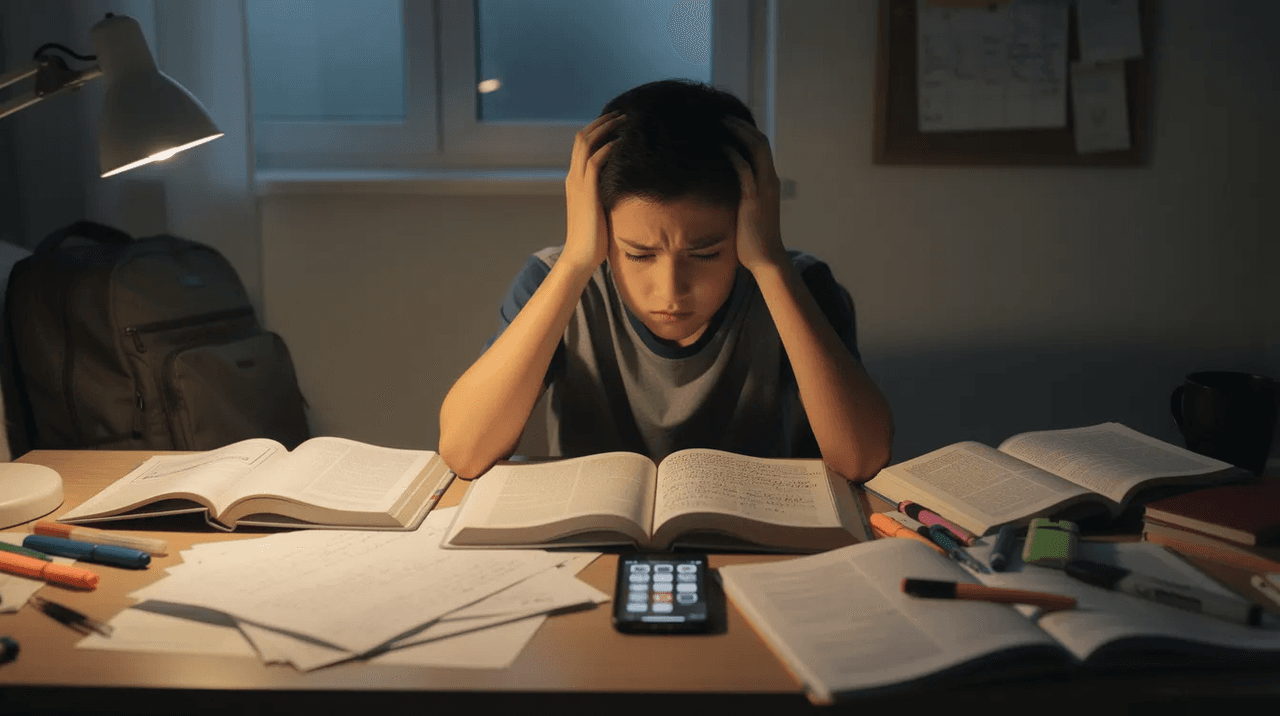
Two Big Categories: Problem-Focused vs. Emotion-Focused Coping
Scientists categorize coping into two major types, and most teens use a mix of both in daily life.
Problem-focused coping means taking concrete action to solve or reduce stress. Examples include making a study schedule for finals week, asking a teacher for help, or planning ahead for a busy sports and school season.
Emotion-focused coping helps manage feelings when you can’t change the situation. This includes talking to friends, journaling after a breakup, or listening to music when worry builds.
Both types can be healthy. However, some emotion-focused habits—like substance use, self-harm, or constant avoidance—become harmful over time. In Hillside Horizon for Teens programs, staff teach teens when to use each style, combining problem-solving skills in group therapy with emotion-regulation techniques from DBT-based groups.
Common Healthy Coping Styles Teens Can Build
Healthy coping doesn’t avoid stress entirely—it keeps stress from running your life. Here are effective styles of coping with stress for teens:
Active problem-solving: Break a big stressor (like a semester project) into smaller tasks with deadlines in a planner or phone calendar. This approach can reduce stress levels significantly.
Seeking support: Text or call a trusted adult, therapist, or friends. Talk to a school counselor after bullying or meet with a coach about burnout. Social support releases oxytocin, which helps relieve stress.
Cognitive coping: Challenge negative self talk and all-or-nothing thinking. Replace “If I don’t get into my first-choice college, my life is over” with more balanced thoughts.
Healthy distraction and self-care: Reading, drawing, physical activity, music, walking the dog, or volunteering. Choose activities that help you feel good and recharge—not just numb.
Physical coping: Regular exercise (sports, dancing, skateboarding, walks) and relaxation strategies like taking deep breaths, stretching, or guided imagery to calm your body.
At Hillside Horizon for Teens, these healthy habits are built into daily routines through structured activity times, therapy groups, and individualized coping plans.
Unhealthy Coping Styles Teens Often Fall Into
Unhealthy coping usually starts as an attempt to feel better fast—not as intentional “bad behavior.”
Unhealthy Style
Examples
Avoidance
Procrastinating homework until 1:00 am, avoiding texts, skipping school
Emotional numbing
Endless TikTok scrolling, gaming late into the night, spending time online to escape
Risky behaviors
Vaping, alcohol use, illegal drugs, self-harm
Aggression
Yelling at parents, starting fights online, lashing out at friends
These patterns often lead to worse outcomes. Screen time over seven hours daily doubles anxiety risk. Substances create rebound stress. Self-harm, reported by 17–25% of U.S. teens, reinforces harmful neural pathways.
At Hillside Horizon for Teens, these patterns are addressed nonjudgmentally. Therapists help teens understand what needs the behavior meets and replace it with safer, more effective tools to cope with stress.
Emotion-Focused Coping Styles: How to Calm Big Feelings
Emotion-focused coping works best when teens can’t change the stressful situation—like a parent’s divorce, a friend moving away, or past trauma.
Practical strategies include:
- Deep breathing exercises: Try 4-7-8 breathing (inhale 4 seconds, hold 7, exhale 8) before a big test. This activates the vagus nerve and can lower heart rate by 15–20 beats per minute.
- Grounding techniques: Name 5 things you see, 4 you feel, 3 you hear, 2 you smell, 1 you taste. This helps manage dissociation and brings focus back to the present.
- Creative outlets: Art, music, writing lyrics or poetry. These activities can improve emotional well being by 35% according to art therapy research.
- Connection-based coping: Spending time with supportive friends, family dinners, therapy sessions, or support groups.
- Journaling or mood-tracking apps: Write down thoughts and feelings to identify patterns over days and weeks.
Therapists at Hillside Horizon for Teens teach these skills using evidence-based approaches like CBT and DBT, adjusted for middle and high school students to manage stress effectively.
Problem-Focused Coping Styles: Taking Action on Stressors
Problem-focused coping is especially helpful for school-related stress, time management, and conflicts you can actually change.
Key strategies:
- Use a paper planner or phone calendar to map homework, sports, and activities across the week
- Learn communication skills: Practice “I” statements and respectful boundary-setting with parents, friends, or teachers
- Ask for resources: Tutoring for a hard class, office hours with teachers, study groups, or academic accommodations
- Break large goals into steps—preparing for standardized tests or building a college list replaces vague worry with concrete action
At Hillside Horizon for Teens, children and teenagers work with therapists and educational support staff to create realistic school and life plans they can follow during and after treatment. Getting enough sleep and maintaining healthy routines supports the brain’s ability to problem-solve.
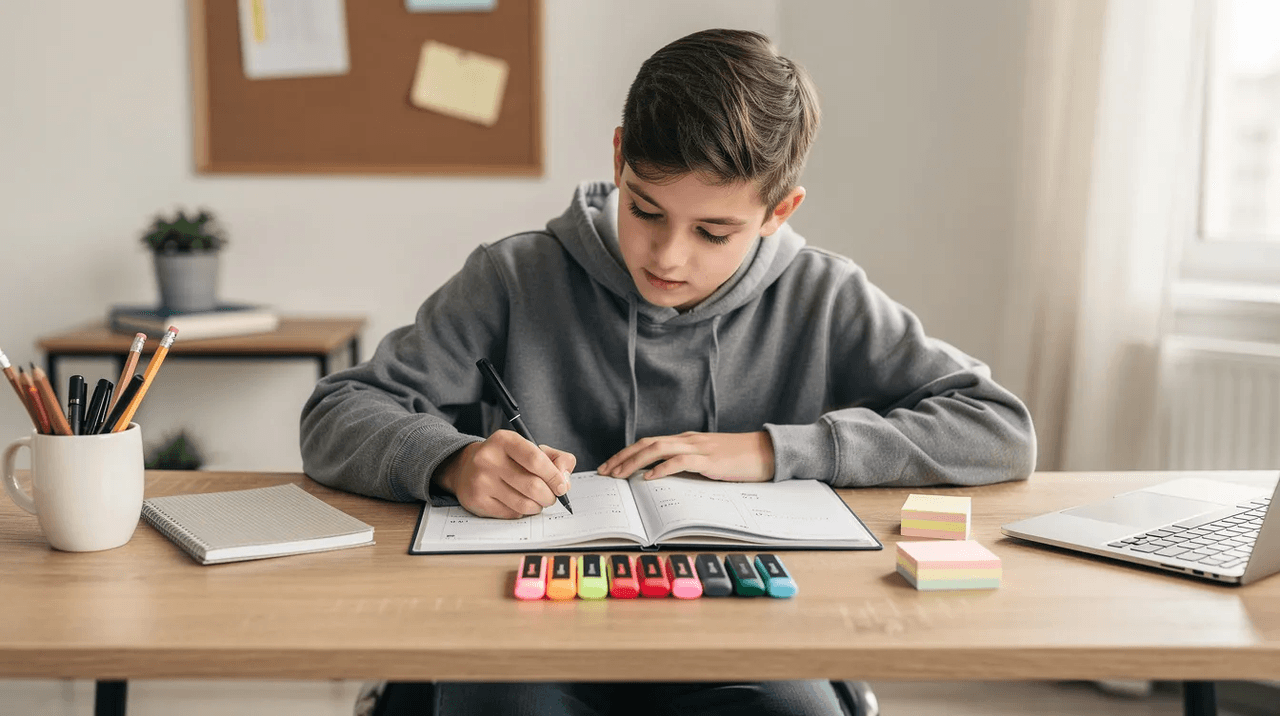
Styles of Coping in Relationships and Social Media
Relationships and online life are major stressors for today’s teens. Understanding different coping styles helps teens navigate these challenges.
In friendships:
- Conflict-avoidant: Never speaking up (breeds anger and resentment)
- Aggressive: Starting fights (damages relationships)
- Assertive: Communicating needs calmly and listening to others (builds trust)
Romantic stress coping: After a breakup, some teens cling, shut down, or over-share online. Healthier options include talking with a counselor or trusted adult and allowing time to rest and heal.
Social media coping habits: Doomscrolling raises cortisol. Comparing your life to others increases body image distress. Healthier approaches include screen time limits and unfollowing toxic accounts. This can help avoid stress and protect mental health, potentially reducing risk factors like high blood pressure associated with chronic stress.
Group therapy at Hillside Horizon for Teens addresses peer pressure, online drama, and communication skills in a safe setting.
Building a Personal Coping Style Plan
Creating a written “Coping Style Plan” helps teens apply these strategies to real life. Parents and teens can build this together.
Include:
- 1Your top 3–5 stress triggers (e.g., Sunday night before school, exams week, arguments at home, social media conflicts)
- 1At least one problem-focused strategy for each trigger
- 1At least one emotion-focused strategy for each trigger
- 1A fun activity that helps you relax and recharge energy
Keep your plan somewhere accessible—saved in a notes app, printed on your bedroom wall, or included in treatment materials. Clinicians at Hillside Horizon for Teens help each teen build and update this plan during treatment for use in daily life after discharge.
When Stress and Coping Styles Signal a Need for Professional Help
Some coping patterns and stress levels indicate a teen needs more than self-help tips and family support. Adults should take these warning signs seriously:
- Persistent sadness or irritability lasting more than two weeks
- Major changes in sleep or appetite
- Dropping grades
- Withdrawal from friends and activities
- Self-harm or substance use to avoid smoking or dealing with feelings
- Talk of wanting to die
Seeking professional evaluation from a pediatrician, therapist, or specialized teen program is essential when these signs appear. Hillside Horizon for Teens provides structured, age-appropriate treatment—including residential and intensive outpatient care—focused on reducing stress and reshaping coping styles.
Coping is a skill that can be learned at any age. With the right support, struggling teens can move from surviving stress to handling stressful situations with confidence. If your teen needs help developing healthy ways to manage stress, contact Hillside Horizon for Teens to learn how our programs can lead to lasting change.
Clinically reviewed by Alejandro Alva, M.D., Medical Director.