
01
On Our Grounds
A clinician, an appropriate staff ratio, and a plan for a teen who wants to quit. The challenge is chosen in advance and is not sprung on anyone.
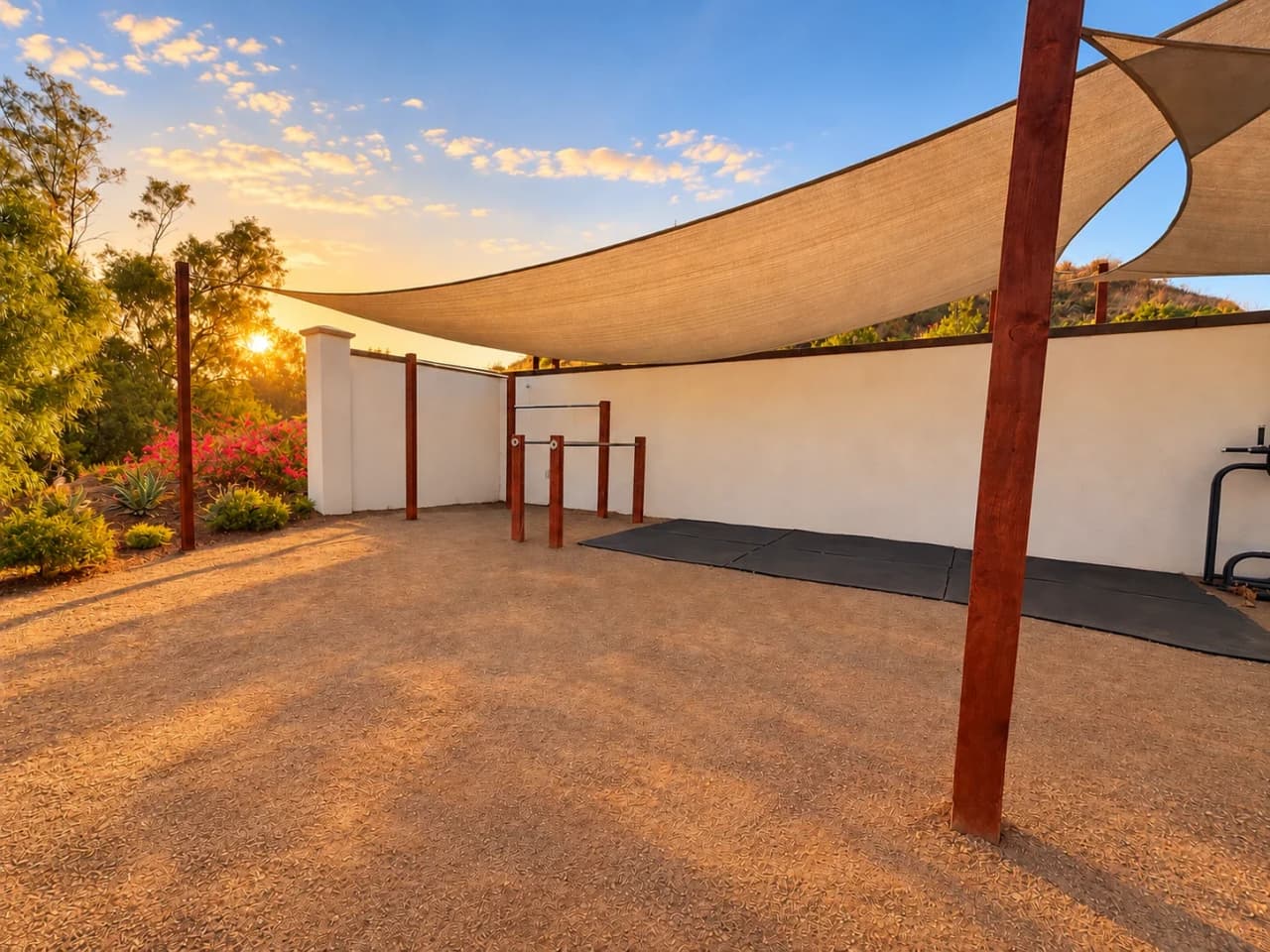
A clinician-led group challenge on our campus, offered to teens who tend to shut down when they have to sit and talk, followed by a conversation about what happened.
Clinically reviewed by Alejandro Alva, M.D., Medical Director.


What this is
This is a group challenge on our campus, with a clinician taking part and a conversation afterward. The focus is fear, trust, and a teen doing something they might not have started in a therapy room. Individual therapy still leads the plan. This is not a wilderness program or a survival course run somewhere else.
When sitting in a chair is not working
Your teen may be able to talk about the difficult thing and still find it hard to do, so we build a smaller version they can attempt.
Peers and a shared task can help build a team in a way that a circle of chairs sometimes can't.
This is activation without a pep talk. Your teen's body often has to show up first, and then we help find language for what that took.
A challenge on our grounds can be one step on the ladder, paced like any other exposure work, with an easier version available.
Something with moving parts can hold attention in a way a worksheet may not, and we still have the conversation afterward.
We will tell you what the task was working on. If it sounds like summer camp, we will say plainly that it is not.
How it works
A group task on our grounds, a conversation afterward that names the fear, and a dinner table where your teen can practice using it.
01
A clinician, an appropriate staff ratio, and a plan for a teen who wants to quit. The challenge is chosen in advance and is not sprung on anyone.

02
What your teen's body did and who they relied on get put into words, because the session isn't over when the activity ends.
03
The same fear, in a smaller form, can show up at dinner. Staff know what your teen is working on, so the courage can carry past the activity.
Our approach
An easier version available, a clinician taking part, and the activity skipped when weather, safety, or a refusal rules it out.
Your teen can take an easier version or decline entirely. This is a graded challenge with a debrief, not a dare.
This is not recreation staff with a therapy label. The conversation afterward is required, because without it the hour would be only a game.
Anxiety work uses the same graded steps. A campus challenge is one step, and walking into a school hallway is another.
Trust, having a role, and repairing things after snapping at someone can all happen in the same hour.
Safety, weather, a medical reason, or a teen who isn't ready all mean we skip it that day.
Your part
You hear what the group task was working on, rather than a camp story that skips the fear your teen actually faced.
Looks fun, are they at camp?
We will name the goal in plain language and confirm it happened on our campus, not in a wilderness program.
Are they hiking for a month?
Family sessions cover what came out of the task. There is no itinerary, because this is not a wilderness course.
We'll sign them up for Outward Bound later.
The helpful part is a smaller difficult thing written down for home, not enrollment in an outdoor program after discharge.
Length of stay
30
days in residence, by progress
These challenges run alongside the 30 to 90 day stay rather than following a set schedule.
90
Group challenges happen inside a 30 to 90 day stay on our Southern California campus, not at a separate wilderness site. They do not replace individual therapy, and we skip them when safety, weather, or a teen's refusal rules them out. Aftercare means a next therapist who knows what your teen was working on.
When to call
If therapy sessions alone aren't enough, or your teen has a hard time getting started, call Aaron Earnest and the admissions team. They will help you decide whether a campus challenge belongs in the plan. If working with an animal fits better than a group task, our equine therapy page covers that.
Before you call
FAQ
Answers to what parents often ask about adventure therapy in our program. If your question is not here, admissions can talk it through with you.
It is a group challenge on our campus, with a clinician taking part and a conversation afterward. The focus is fear and trust, and it is not a wilderness program or a month in the woods.
A clinician takes part, with an appropriate staff ratio and a plan for a teen who wants to quit. The conversation afterward is required, because without it the hour would be only a game.
Your teen can take an easier version or decline entirely, because this is a graded challenge and not a dare. The challenge is chosen in advance and is not sprung on anyone.
We skip it that day for safety, weather, a medical reason, or a teen who isn't ready. It does not replace individual therapy, which still leads your teen's plan.
Family sessions cover what came out of the task, and we will name the goal in plain language. The helpful part is a smaller difficult thing written down for home, rather than an outdoor program after discharge.