
01
In Group
A short taught practice with a pattern teens can remember, with staff watching for anyone who feels it is too much so we can stop.
We teach your teen a specific breathing pattern they can use in a school bathroom or a dark bedroom, and we assign it like any other skill in the treatment plan.
Clinically reviewed by Alejandro Alva, M.D., Medical Director.


What this is
This is a paced breathing pattern for panic, anxiety, and nights that are hard to start. It is assigned like any other skill, and it is not a wellness trend. Individual therapy still leads the treatment, and breathwork helps a teen's chest settle enough for the therapy itself to begin. We do not push anyone into an altered state, and we stop if breathing itself becomes a trigger.
When panic is faster than the therapy
A racing heart and the urge to run may need to settle slightly before your teen can do any cognitive work in the room.
A mind still scanning after midnight can use something to do without a screen and without a parent in the doorway.
A family session or a difficult meal can use the same technique as a way into the hour rather than a way out of it.
This is a skill for a body that feels stuck in high gear, and we teach it before we ask a teen to sit with a panic spike.
If focusing on the breath is itself a trigger, we stop and use grounding through the feet, the chair, or the room instead.
That phrase rarely helps on its own. We teach the actual technique, then show you how to prompt it without becoming their coach.
How it works
A taught practice in group, the same technique before a hard session, and a dark bedroom where your teen uses it on their own.
01
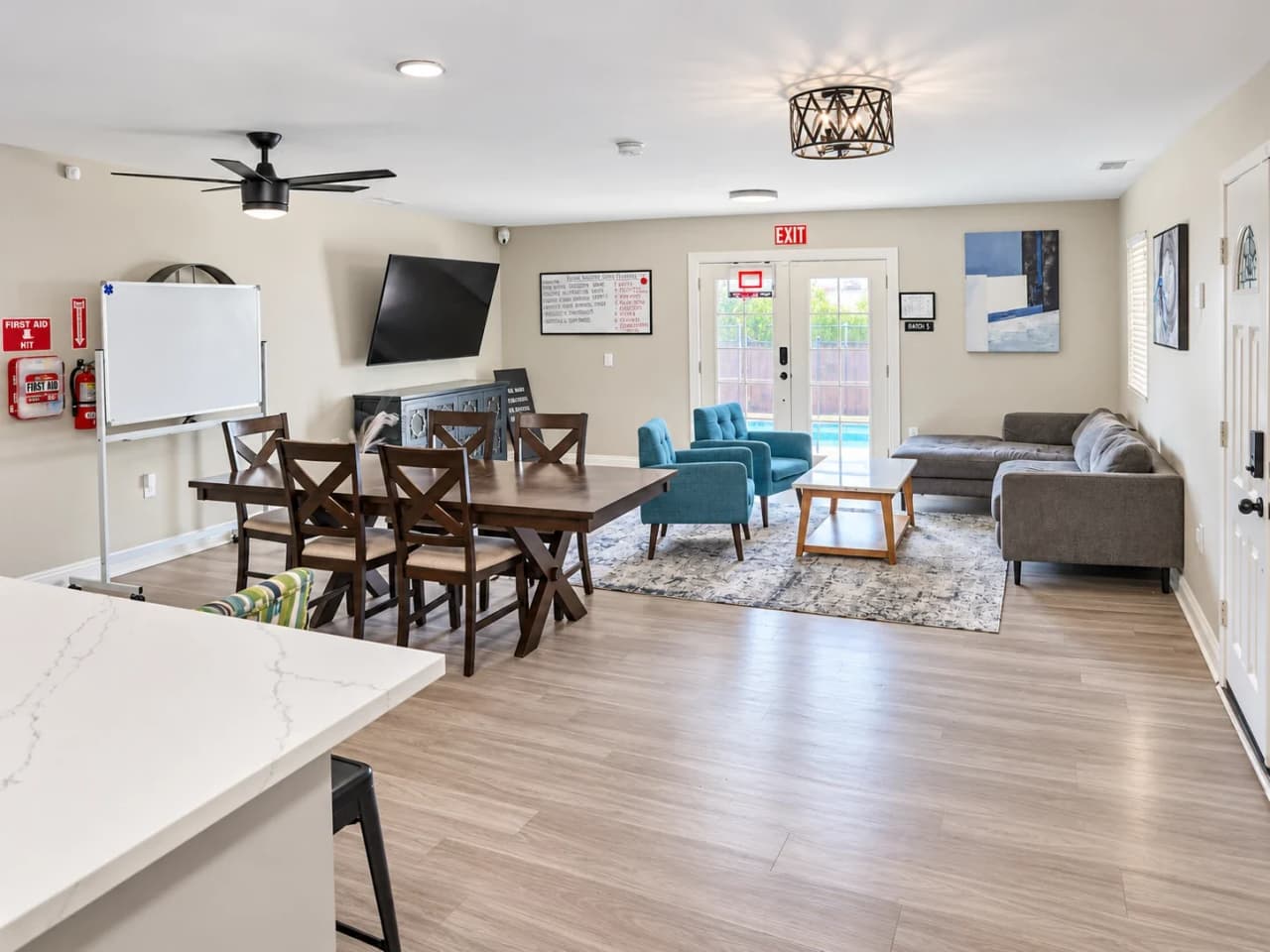
A short taught practice with a pattern teens can remember, with staff watching for anyone who feels it is too much so we can stop.
02
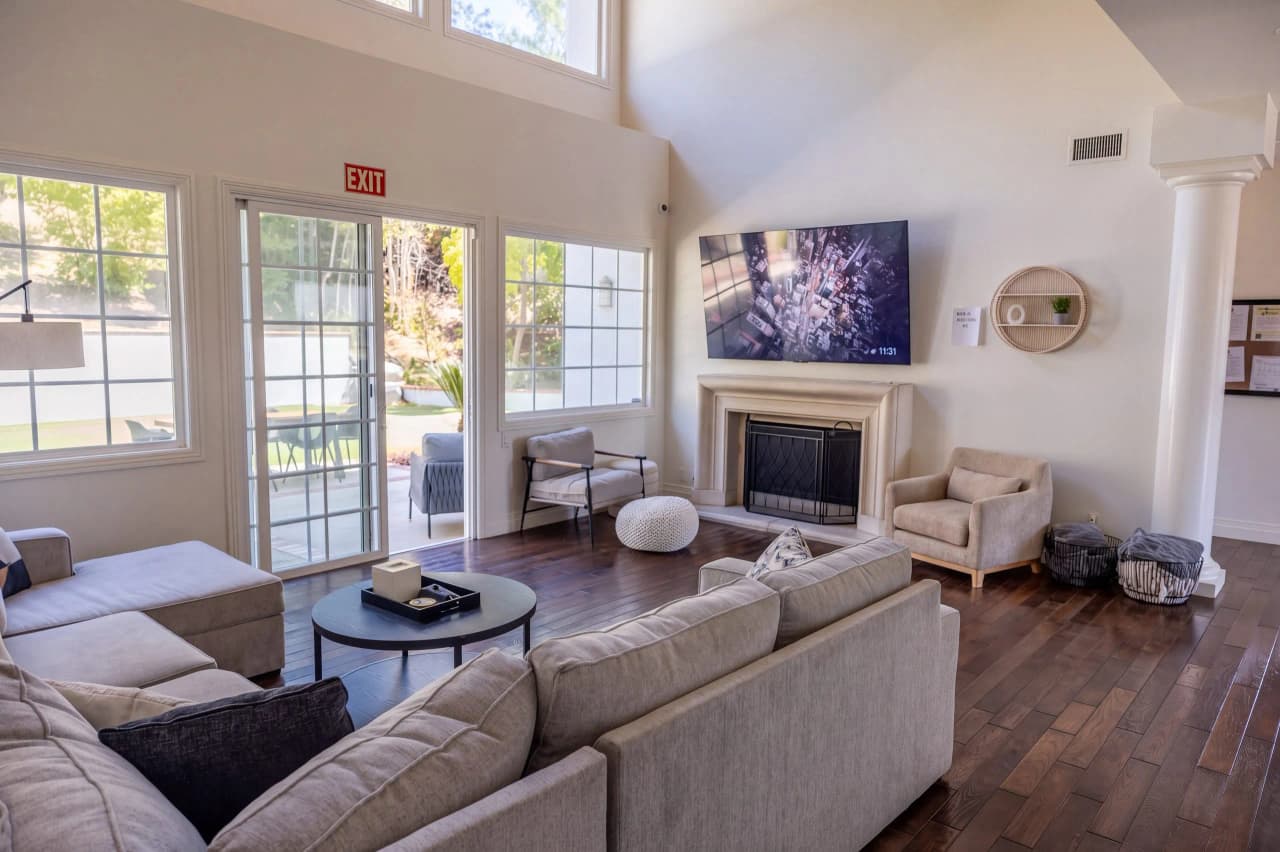
The therapist uses the same technique before a difficult hour or after a panic attack, so your teen learns one method instead of three different ones.
03
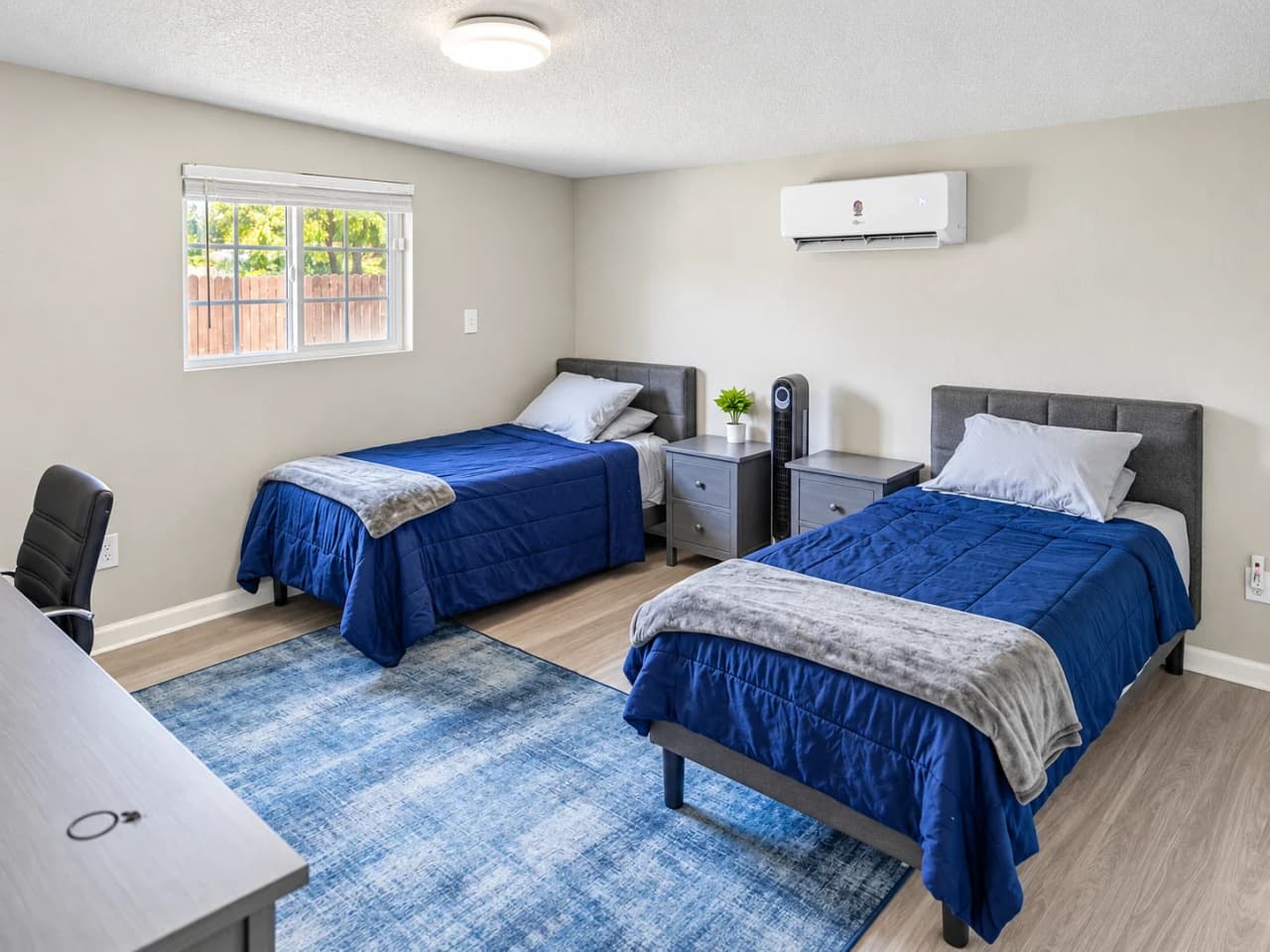
The goal is for your teen to use it alone in a dark room, because a technique that only works in a group setting is not yet a skill.
Our approach
A single memorable pattern, adapted for trauma, and set aside when breathing is what feels like too much for your teen.
We keep it to one pattern instead of stacking seven different exercises. One pattern your teen can use on their own after midnight is enough.
If the breath is a trigger, we use the feet, the chair, and the room instead. Pushing a teen past what feels okay is not the method.
The same technique is used before a panic spike, in a sleepless bed, and in the hallway when panic builds in their chest.
Staff prompt the technique while the panic is still happening, because a worksheet afterward comes too late to be useful.
A medical reason, a dissociative episode, or a teen who feels more activated by breathing all mean we skip this and use grounding in a different way.
Your part
Telling a teen to just breathe can leave you doing the skill for them. We teach you the technique, and then how to step back from doing it for them.
Just breathe.
That phrase without an actual technique behind it can sound like dismissal. We give you the specific prompt and the quiet that follows it.
I'll do the count with them every time.
A short family practice shows you the prompt, and then you step back so the skill can belong to your teen.
They can watch a video later.
The first sleepless night at home is when the technique gets tested, so it is written down and practiced before your teen leaves.
Length of stay
30
days in residence, by progress
This is one skill inside a 30 to 90 day stay, and we do not call it automatic just because time has passed.
90
This skill is taught throughout a 30 to 90 day stay, in group, in sessions, and alone at night. It does not replace individual therapy, and we skip it when breathing feels like too much for a teen or a clinician advises against it. Aftercare means a next therapist who already knows the technique.
When to call
If panic, anxiety, or sleepless nights are taking over your household and telling your teen to breathe has not helped, call us. Aaron Earnest and the admissions team will help you decide whether this stay can teach it, or whether a different level of care is the better fit.
Before you call
FAQ
Answers to what parents often ask about breathwork in our program. If your question is not here, admissions can talk it through with you.
We teach one paced breathing pattern for panic, anxiety, and nights that are hard to start. Your teen practices it in group, uses it in therapy sessions, and learns to use it alone at night.
In group, the practice is short, and staff watch for anyone who feels it is too much so we can stop. Your teen's therapist uses the same technique in sessions, and staff prompt it while panic is still happening.
Breathwork does not replace individual therapy, which still leads the treatment. It helps your teen's chest settle enough for the therapy itself to begin, and it is assigned like any other skill.
We stop if breathing itself becomes a trigger, and we use grounding through the feet, the chair, or the room instead. A medical reason, a dissociative episode, or a teen who feels more activated by breathing all mean we skip this. We also do not push any teen into an altered state during practice.
We teach you the technique and the specific prompt, and then how to step back so the skill belongs to your teen. The first sleepless night at home is planned for, with the technique written down and practiced before your teen leaves.