

01
In Sessions
Psychiatric evaluation and ongoing monitoring happen in the same week as therapy. We do not try to argue a belief away on day one, and we stop and tell you if this setting is not right for your teen.
We cannot treat acute psychosis that requires a locked hospital unit, or a teenager who is medically unstable. For ages 12 to 17 in Southern California, assessment comes before any stay, and we will tell you plainly when another level of care is the better fit.
What this is
Our first step is asking whether this setting can safely help your teen, and we do not begin with a promise that it can. Hallucinations, paranoia, or disorganized thinking call for a fast and careful assessment. We cannot manage acute psychosis that requires a locked unit, or a medical emergency, and we will tell you so on the first call.
What families notice first
Your teen may hear voices, see things, or feel certain about something that is not happening. Some teens do not describe it at all and may simply look frightened.
Your teen may hold strong convictions about being watched or persecuted that reasoning does not seem to reach, because the ability to question a belief like this can be one of the last things to return.
Conversation may slide off track, schoolwork may stop forming clear sentences, and personal hygiene may drop away.
You may notice a flat, muted expression, little motivation, and a teen who seems far away even when sitting right beside you.
Agitation, isolation, or a change that worries you about your teen's safety or someone else's. We assess this before discussing a stay at all, so safety comes first.
A school year that has stopped making sense, and friends who may not know how to stay in touch, which can deepen the isolation.
Assessment first
Therapy sessions and family education cover what this setting can help with, and we stop and say so when a hospital is the honest answer.
01
Psychiatric evaluation and ongoing monitoring happen in the same week as therapy. We do not try to argue a belief away on day one, and we stop and tell you if this setting is not right for your teen.
02
Parents learn about the illness, the medication, and the early warning signs, and no one is handed blame for something they did not cause.
03
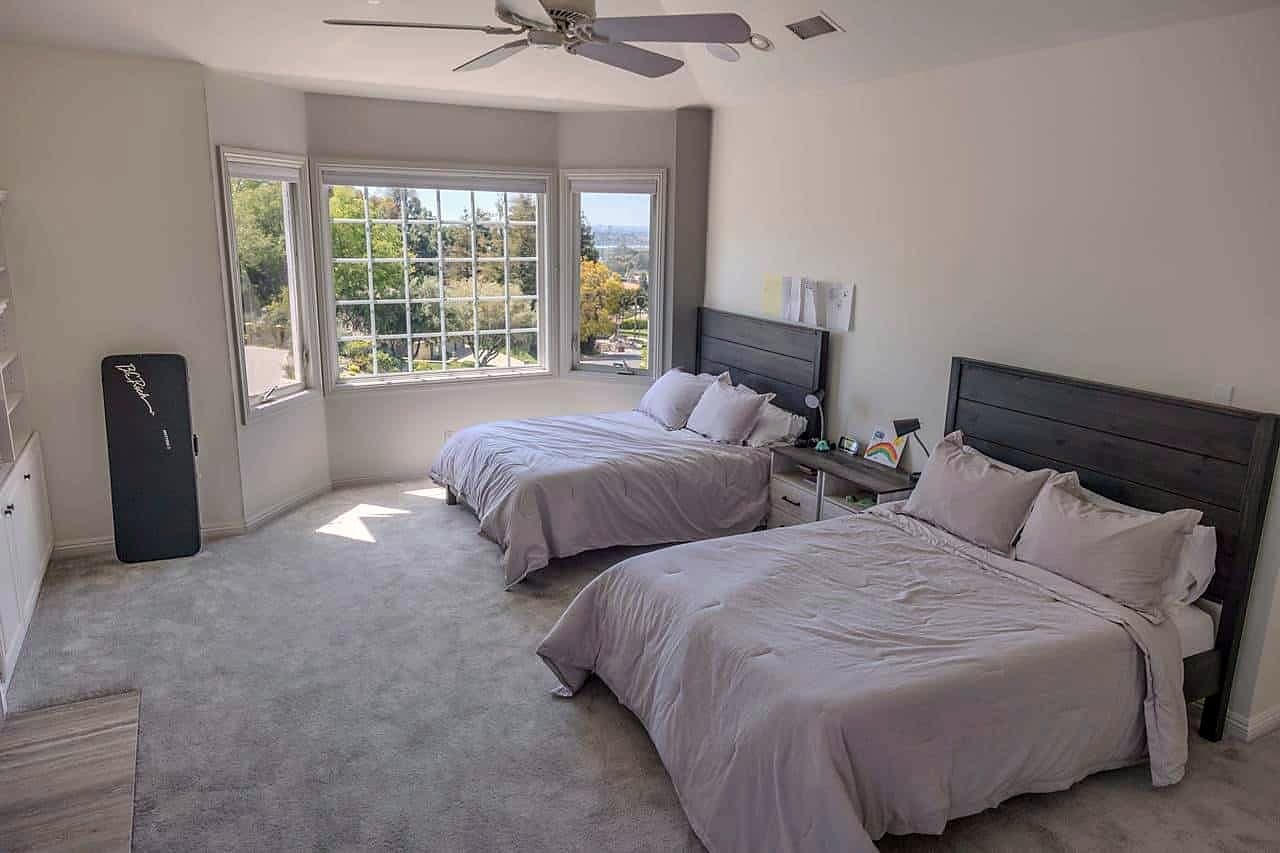
A predictable day and staffed overnight hours offer a calm routine where your teen can settle. This is not a hospital, and we say so plainly.
Our approach
You can expect assessment before any stay, medication monitored weekly, and family education, offered openly as a home-like program and not a hospital.
If your teen needs a locked unit or medical care, we will tell you honestly and help you find the right place to call instead.
When medication is recommended, it is monitored here and coordinated with therapy. Taking it consistently is a skill we practice together with your teen instead of lecturing about it.
Once your teen is able to engage, learning to cope with voices and fear becomes a central part of the work. We do not push for insight in the first week.
Hygiene, sleep, and conversation come first, since a full class schedule is not the first priority of this stay.
Your family learns what this condition is, what it is not, and when to call for help, and we line up an outpatient psychiatrist for afterward.
Your part
Psychosis can leave a family standing outside an experience only your teen is having. Family work teaches you about the illness and does not suggest you caused it.
Argue them out of the belief.
Reasoning often does not work during an acute episode. We teach you how to stay present with your teen without getting pulled into an argument that cannot be won.
Hear it from staff later.
Family sessions cover the illness, the medication, and the early warning signs, since you are often one of the people most likely to notice a change first.
Sort out doses and sleep after the ride home.
We set up a written plan for sleep, medication, and the next psychiatrist before discharge, so your family has it in hand when your teen comes home.
Academics
Your teen may have already missed most of the school year, and we hold their place in class until they are able to do the work.
Classes When Your Teen Can Follow Them
Classes run through Advantages School, our accredited school partner. We use your teen's transcript and current schedule to place them in the right courses once their thinking can track the work, and we do not force a class during acute confusion.
Optional Tutoring When The Time Is Right
Tutoring is optional and runs alongside monitoring. Basic functioning comes first while sleep and hygiene are still the clinical priority.
A Return After Careful Assessment
We practice a short return when your teen is ready, and we will not rush them back into a busy campus that could make symptoms worse.
Please send their transcript, current schedule, and any IEP or 504 plan, so their place is ready if and when they can use it.
Length of stay
30
days in residence, by progress
Most stays that fit run one to three months, and we stop sooner if this setting cannot safely help.
90
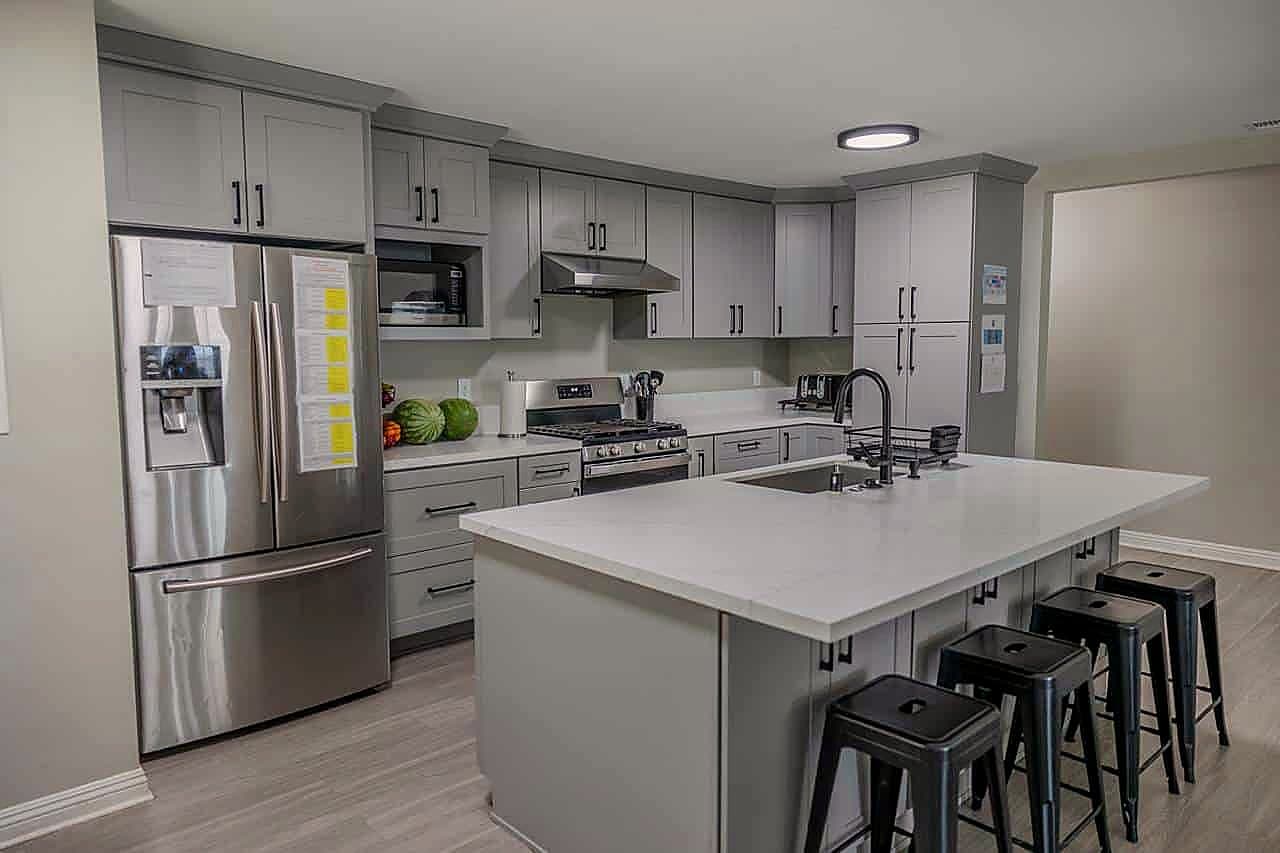
Our program is for teens who can live in a home-like setting with clinical staff present around the clock and psychiatric monitoring. If your teen needs a hospital, we will say so before a 30 to 90 day stay is ever offered. When a stay does fit, the work focuses on stabilization, a clearer diagnostic picture, and a next psychiatrist.
When to call
If you are noticing your teen losing contact with reality, please call us before assuming this is the right place. If someone is in immediate danger, call 988 or 911 first. Then ask Aaron Earnest and the admissions team whether a stay here can be assessed. If substance use is part of the picture, our dual diagnosis page may help. We will not claim we can safely treat every situation that comes to us.